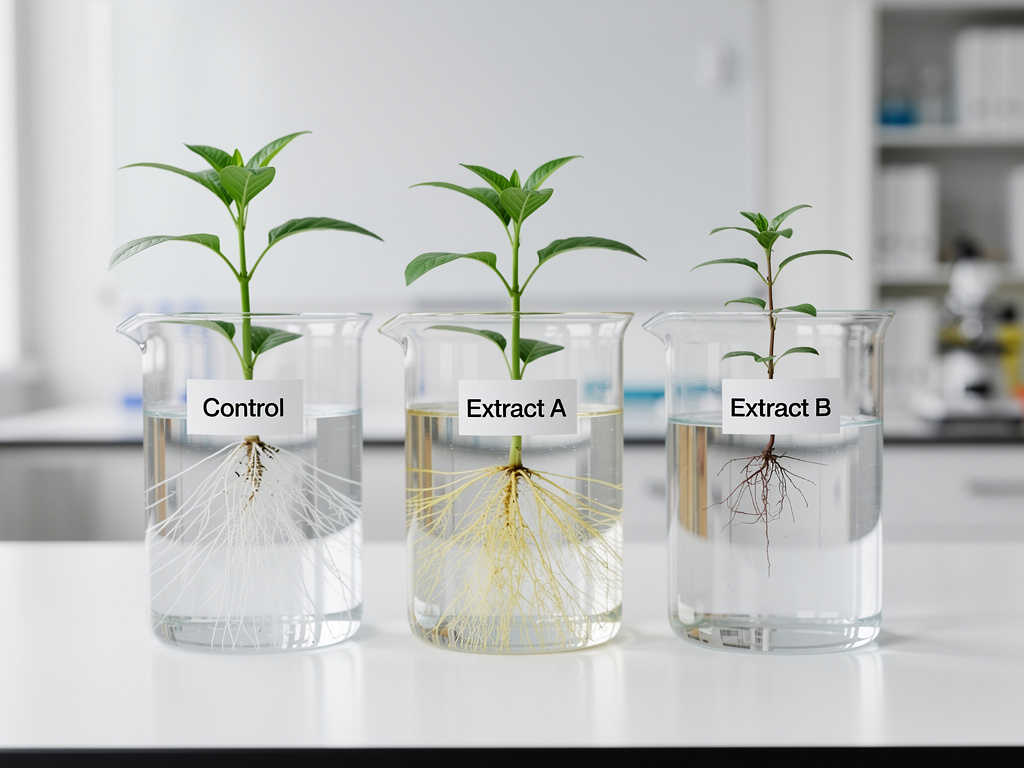
Allelopathy: Do Some Plants Inhibit Growth of Others Science Project
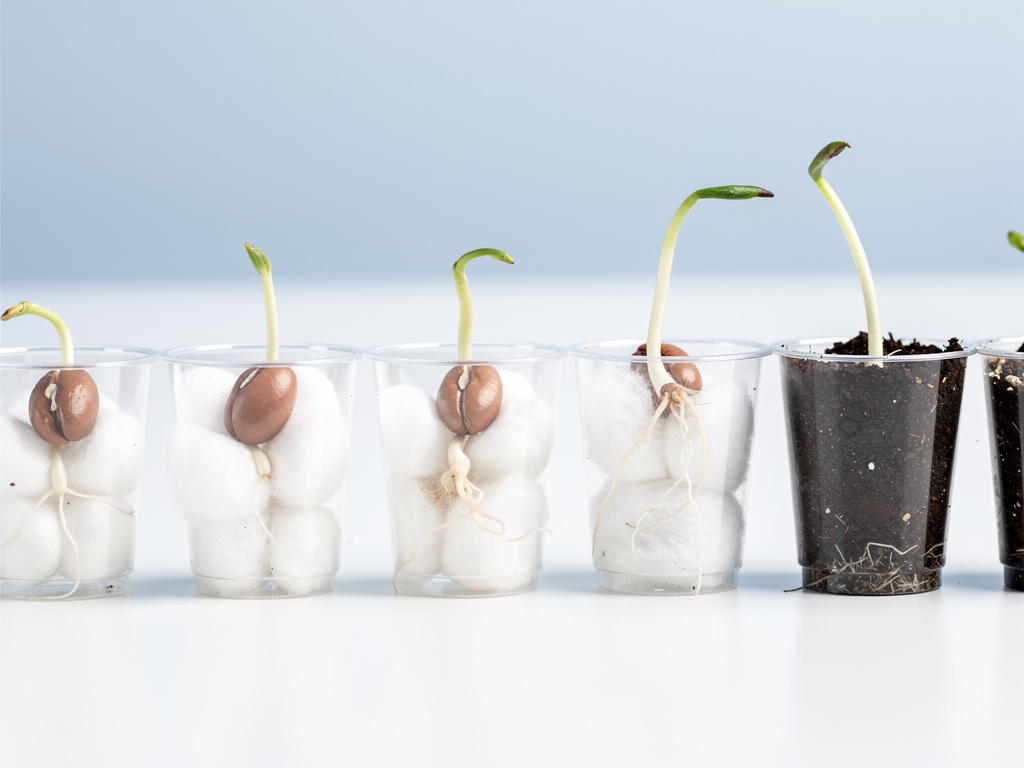
Investigate the allelopathic effects of certain plants on the growth of others. Conduct experiments to observe the relationships between different species!
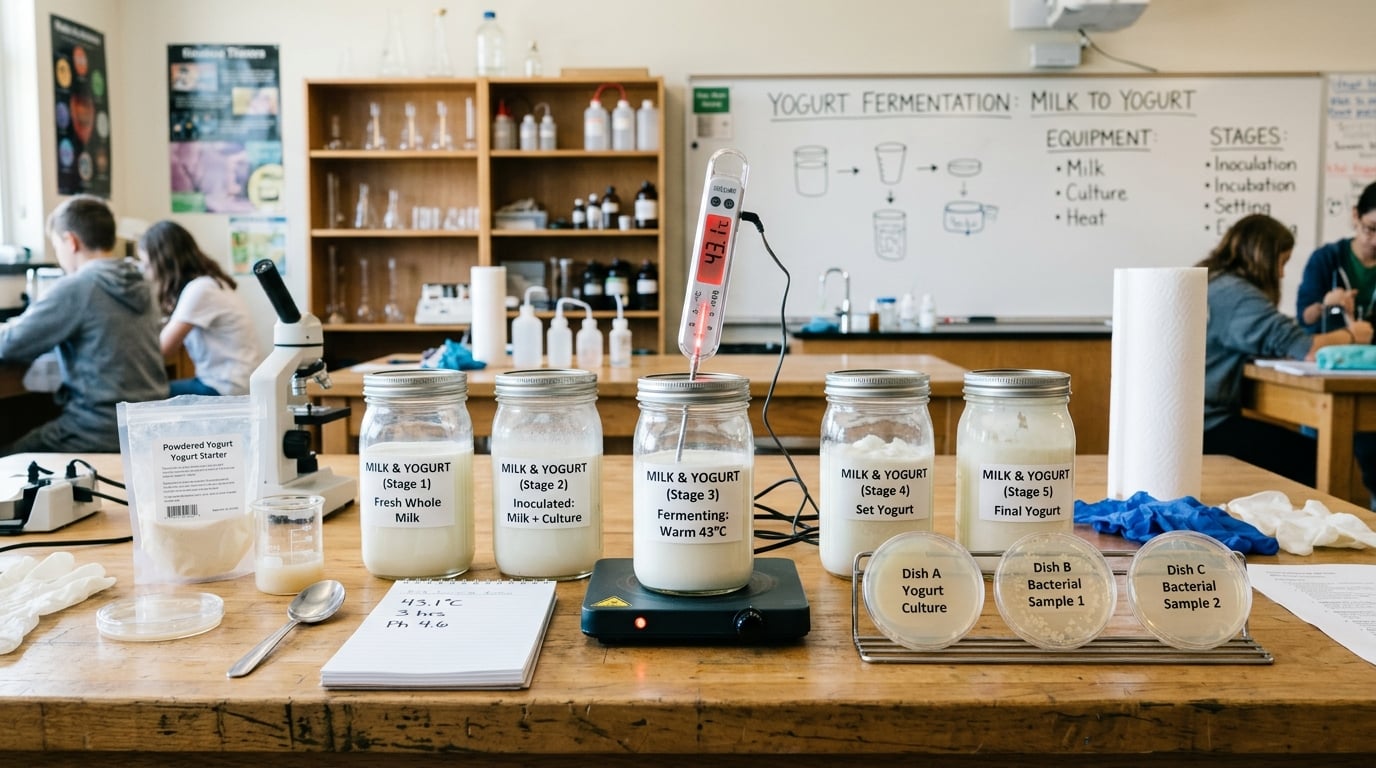
This project explores the role of bacteria in the fermentation process of yogurt making. Students will learn about bacterial cultures and their impact on the flavor and texture of yogurt.

If milk is exposed to specific bacterial cultures, then it will ferment and turn into yogurt due to the bacteria's lactic acid production.
As an Amazon Associate, this site earns from qualifying purchases.
Pour milk into a saucepan and heat to 85°C to kill any unwanted bacteria.
Cool the milk to 45°C and add yogurt culture.
Mix thoroughly and pour into glass jars.
Cover the jars with a towel to maintain warmth.
Let the jars sit for about 8 hours or overnight at room temperature.
Once the yogurt has set, place in the refrigerator to cool.
Taste and note the texture and flavor of the homemade yogurt.
Research the role of lactic acid bacteria in fermentation.
Compare different bacterial strains if possible.
Document the process and results in a report.
The expected outcome is that the milk will transform into yogurt due to the action of bacteria. Students should observe differences in texture and flavor based on the bacterial culture used.
Type of bacterial culture
Texture and flavor of yogurt
Milk type, Fermentation time, Temperature
Ensure cleanliness when handling food products to avoid contamination.
Demonstrate the yogurt-making process with a short video.
Discuss the importance of bacteria in food production.
Include taste tests of different yogurt samples.
The bacteria ferment lactose, producing lactic acid that thickens the milk.
Whole milk is preferred for better texture, but other types can be used.
Homemade yogurt can last up to two weeks when stored in the refrigerator.