Allelopathy: Do Some Plants Inhibit Growth of Others Science Project
Investigate the allelopathic effects of certain plants on the growth of others. Conduct experiments to observe the relationships between different species!
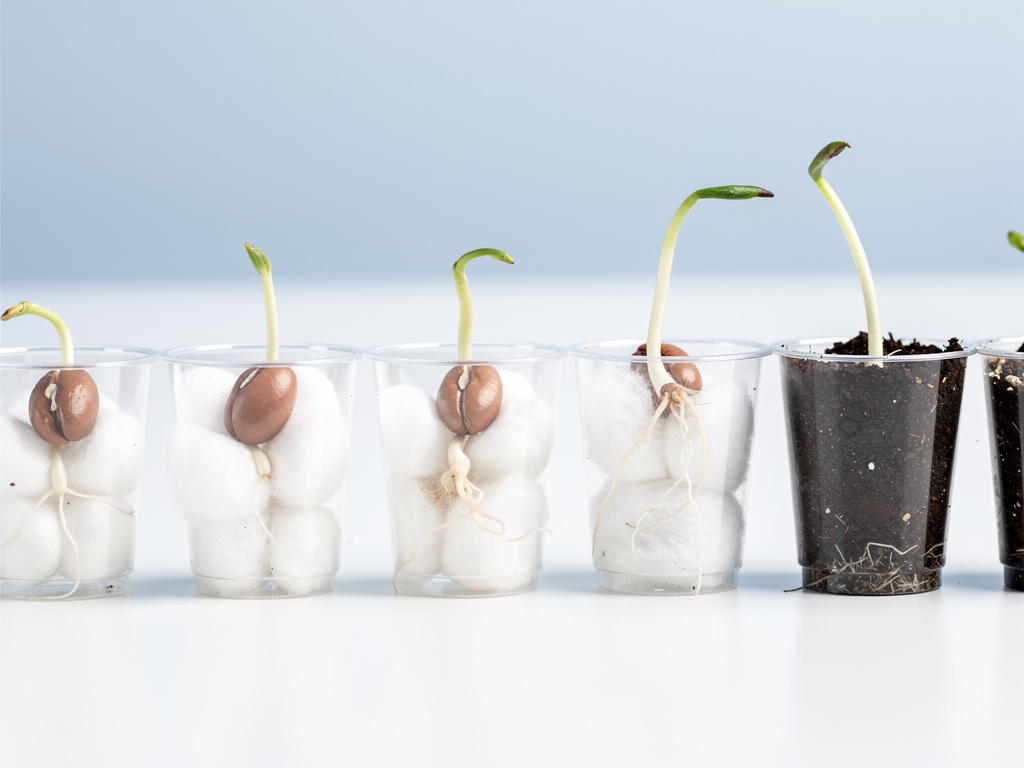
This project investigates how different soil types affect the growth of bean plants. By comparing growth rates and health, students will learn about soil properties and plant biology. The project includes careful observation and recording of data over a two-week period.

If beans are planted in different soil types, then the beans in the soil with higher organic matter will grow the tallest.
As an Amazon Associate, this site earns from qualifying purchases.
Gather all materials.
Label three pots with the types of soil: potting soil, sand, and clay.
Fill each pot with the corresponding soil type.
Plant three bean seeds in each pot, ensuring they are buried at the same depth.
Water each pot with the same amount of water (1 cup).
Place the pots in a location with consistent sunlight.
Water the plants every other day with the same amount of water.
Measure the height of the plants every three days and record the data.
Observe the health of the plants (color, leaf condition) and note any differences.
At the end of two weeks, analyze the growth data.
Compare the average height of the plants in each soil type.
Draw conclusions based on the results.
The beans in potting soil are expected to grow the tallest and healthiest, followed by those in sand, with clay soil yielding the least growth.
Type of soil
Height of bean plants
Amount of water, Light exposure, Type of bean seeds
Handle soil with clean hands; wash hands after the experiment. Avoid ingestion of any plant materials.
Create a colorful poster with photos of plant growth.
Include graphs showing growth data.
Explain the importance of soil types in agriculture.
Practice presenting results clearly and confidently.
Prepare to answer questions about plant biology.
Use potting soil, sand, and clay for variety.
Water every other day with the same amount.
Yes, but ensure they are planted under similar conditions.