Allelopathy: Do Some Plants Inhibit Growth of Others Science Project
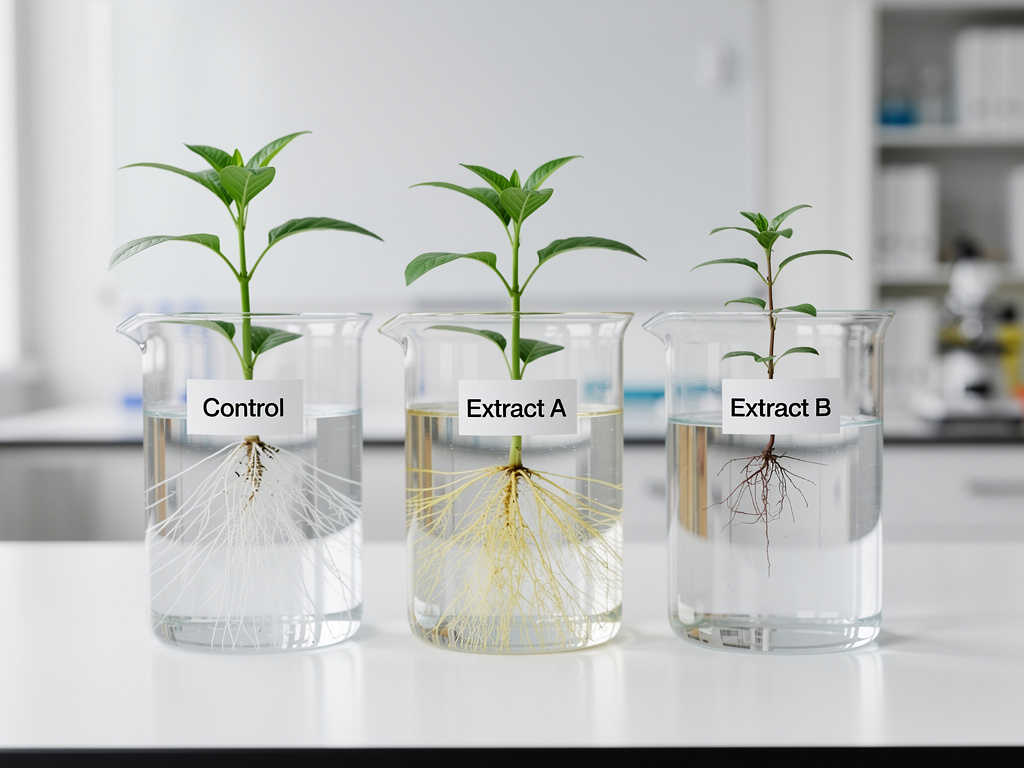
Investigate the allelopathic effects of certain plants on the growth of others. Conduct experiments to observe the relationships between different species!
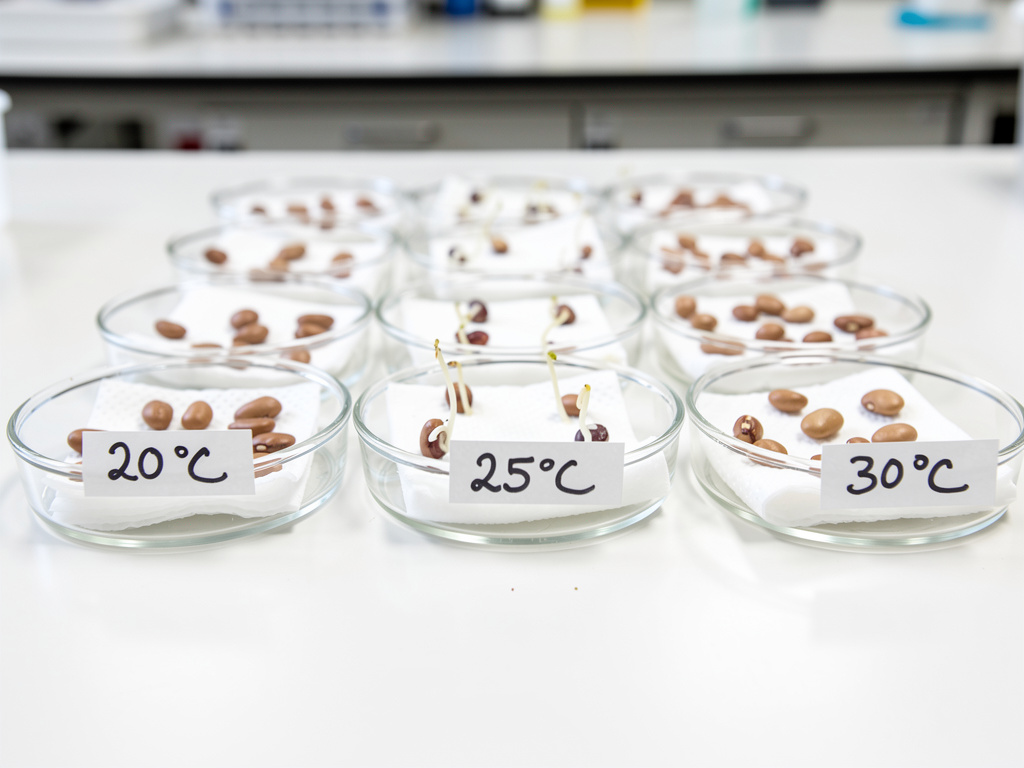
This experiment investigates the impact of different temperatures on seed germination rates. Students will learn about the optimal conditions for seed growth while conducting a scientific study!

If seeds are exposed to varying temperatures, then those at optimal temperatures will germinate faster than those at extreme temperatures.
As an Amazon Associate, this site earns from qualifying purchases.
Divide the seeds into three groups and place them in plastic bags.
Set one group at room temperature, one on a heating pad, and one in a cooler.
Water the seeds lightly to keep them moist.
Label each bag with the temperature condition and date.
Check the seeds daily for germination.
Measure and record the number of seeds that have germinated each day.
After two weeks, analyze the data to compare germination rates.
Draw conclusions about the effects of temperature on seed growth.
Seeds kept at optimal temperatures should germinate significantly faster than those in cooler or excessively warm conditions, showing the importance of temperature for plant growth.
temperature conditions
germination rate
type of seeds, water amount, light exposure
Handle heat sources with care and use gloves if necessary.
Include graphs showing the germination rates under different temperatures.
Prepare a visual presentation to explain the science of germination.
Discuss the ecological impact of climate on plant growth.
Use clear, engaging visuals to hold the audience's attention.
Be ready for questions about temperature and plant biology.
Most seeds germinate best between 65°F and 75°F.
No, different seeds have different optimal germination conditions.
If seeds are too cold, they may not germinate or will germinate very slowly.