Science Fair Projects
earth sciencemedium middle 5 days

Modeling the Solar System to Scale

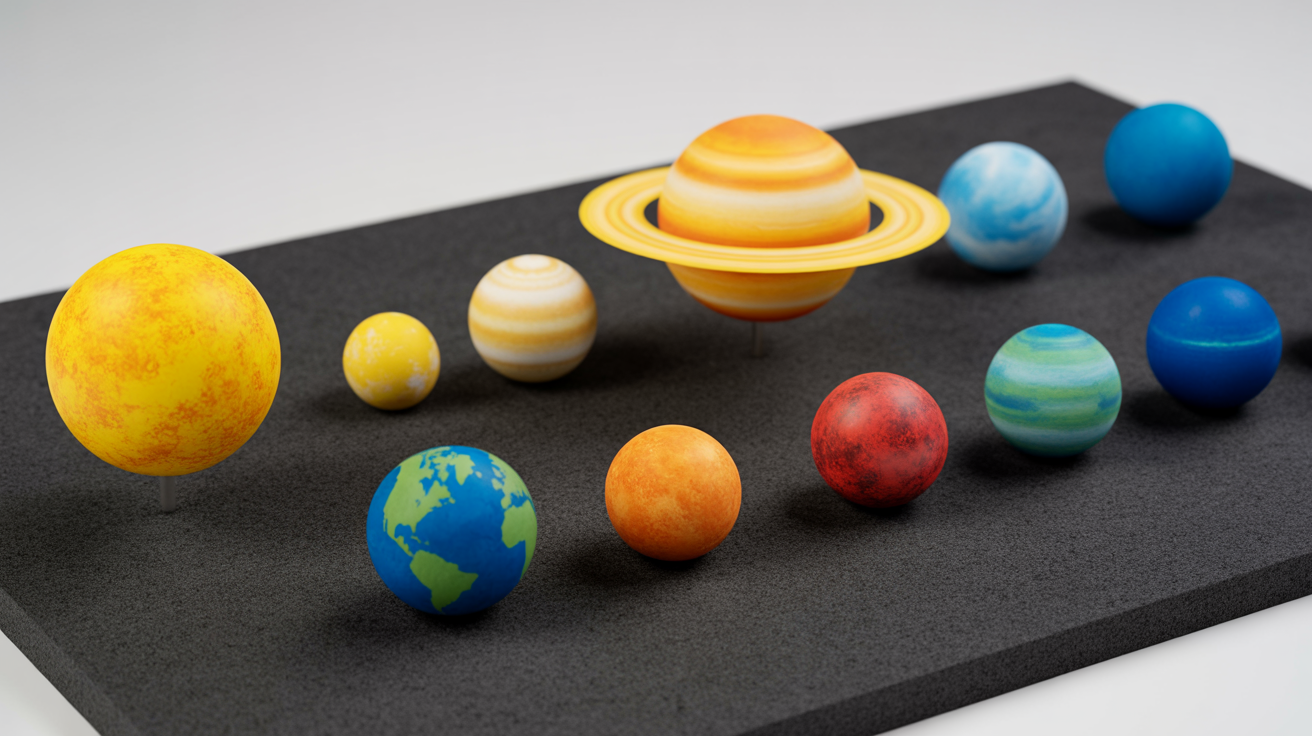
This project involves creating a scale model of the solar system, focusing on either the relative sizes of the planets or the distances between them. It's a challenging but rewarding way to grasp the immense scale of our cosmic neighborhood.

Modeling the Solar System to Scale

Hypothesis

If a scale model of the solar system is created, then it will visually demonstrate the enormous differences in size between the planets and the vast, empty spaces that separate them, which are difficult to comprehend from numbers alone.

Materials Needed

Various sized balls or beads (for planets) — 8Buy
Large ball or balloon (for the Sun) — 1Buy
String or measuring tape — longBuy
Markers or paint — various colorsBuy
Poster board or large paper — 1Buy
Calculator — 1Buy

As an Amazon Associate, this site earns from qualifying purchases.

Step-by-Step Procedure

  1. 1

    Research the diameters of the Sun and the eight planets.

  2. 2

    Choose a scale for your model. For example, 1 cm = 10,000 km. This is a 'size' model.

  3. 3

    Calculate the scaled-down diameter of each planet and the Sun.

  4. 4

    Find objects (balls, beads, etc.) that match your calculated sizes, or create them from clay.

  5. 5

    Paint the planets to resemble their real-life appearance.

  6. 6

    Alternatively, create a 'distance' model. Research the average distance of each planet from the Sun.

  7. 7

    Choose a scale for distance, for example, 1 meter = 1 astronomical unit (AU).

  8. 8

    Measure out the scaled distances on a long string or in a large open field.

  9. 9

    Place your planet models at the correct distances from your Sun model.

  10. 10

    Create a poster with all your data, calculations, and interesting facts about each planet.

Expected Results

Students will find it impossible to create a single model that accurately represents both the sizes of the planets and the distances between them to the same scale. A size model will show the gas giants Jupiter and Saturn dwarfing the terrestrial planets. A distance model will reveal the immense emptiness of space, with the planets being tiny specks separated by vast distances.

Variables

Independent Variable

The chosen scale for the model (either for size or distance).

Dependent Variable

The calculated sizes and positions of the planets in the model.

Controlled Variables

The actual astronomical data used for the calculations.

Safety Notes

Be careful when using sharp objects like scissors. If creating a distance model outdoors, be aware of your surroundings.

Presentation Tips

  • Display your model of the planets (size model) or a map of your distance model.

  • Use a large poster to present your calculations and scale.

  • Engage the audience by asking them to guess the relative sizes or distances before you reveal your model.

Frequently Asked Questions

Why can't I make a model that is to scale for both size and distance?

The distances between planets are so much larger than the sizes of the planets themselves that if you made a model with the planets large enough to see, the distances would be enormous (miles long). If you scaled the distances to fit in a room, the planets would be microscopic.

What is an astronomical unit (AU)?

An astronomical unit is the average distance from the Earth to the Sun, which is about 93 million miles (150 million kilometers). It is a convenient unit for measuring distances within our solar system.

Are the orbits of the planets perfect circles?

No, the orbits of the planets are not perfect circles. They are slightly oval-shaped paths called ellipses, with the Sun at one of the focal points of the ellipse.

Related Projects

Analyzing the Role of Vegetation in Urban Heat Islands
earth sciencehard

Analyzing the Role of Vegetation in Urban Heat Islands

This project investigates how vegetation influences temperature in urban heat islands. By comparing areas with varying plant cover, students can assess the cooling effects of vegetation.

30 days·high
Animal Habitats Diorama Science Project - Explore Different Ecosystems
earth scienceeasy

Animal Habitats Diorama Science Project - Explore Different Ecosystems

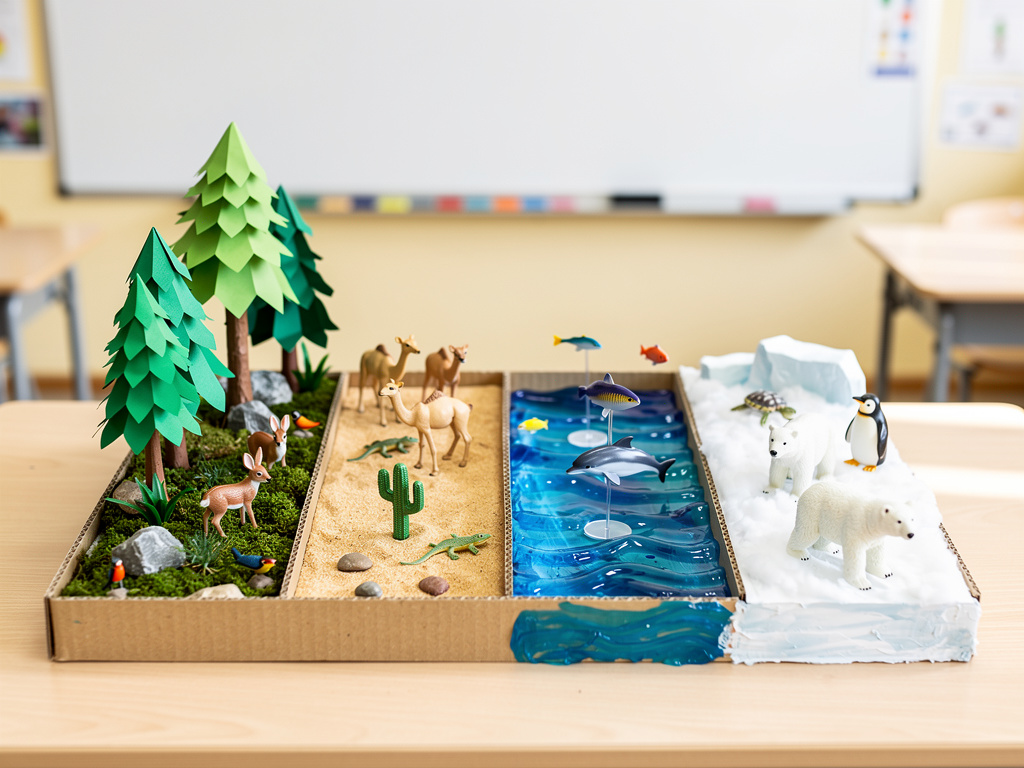
In this diorama project, students can explore various animal habitats. By creating a 3D model, they will learn about different ecosystems, the animals that live there, and their adaptations.

7 days·elementary
Aquatic Echoes: Impact of Ocean Acidification on Sound Propagation
earth sciencehard

Aquatic Echoes: Impact of Ocean Acidification on Sound Propagation

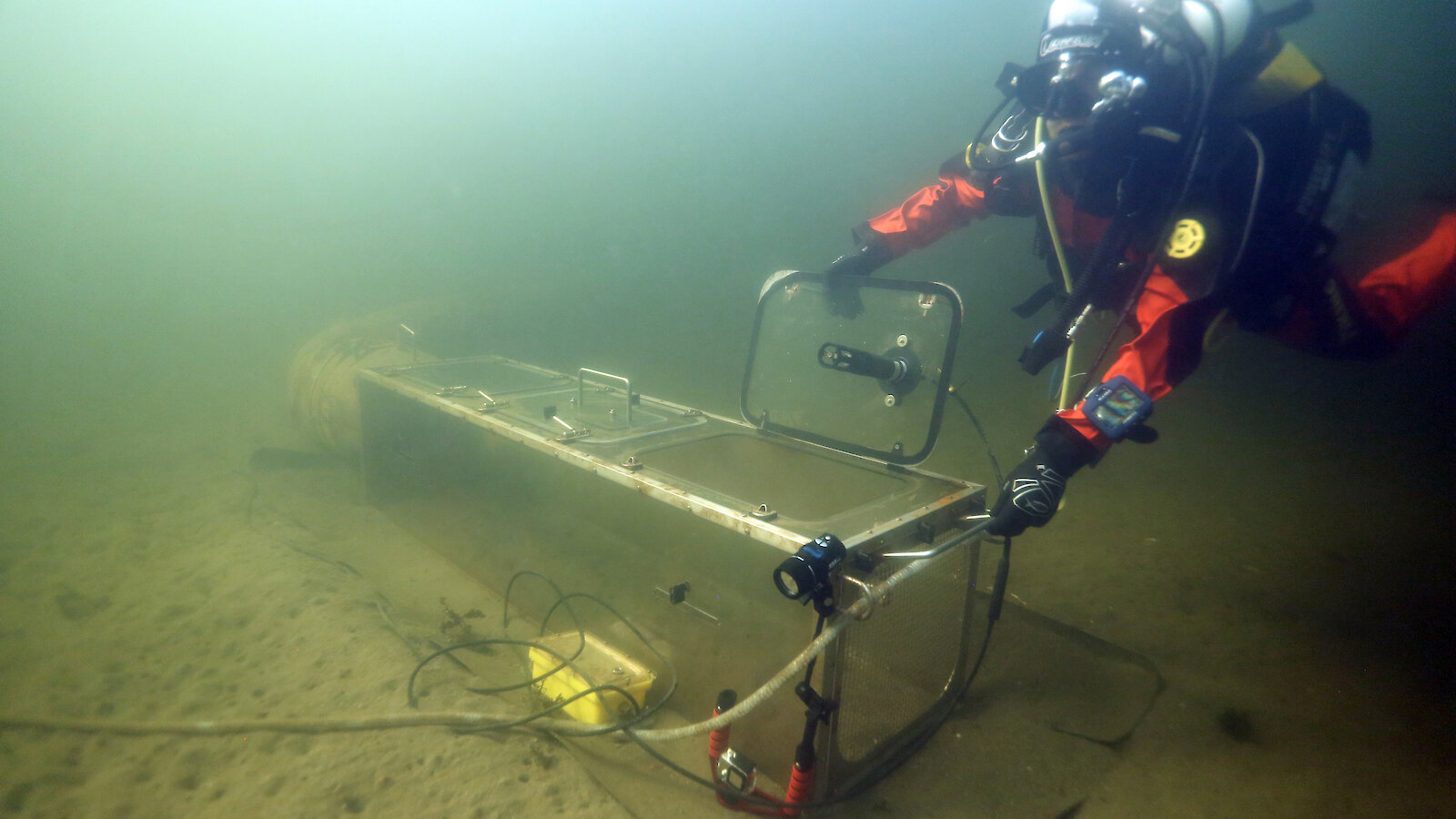
This project explores the effects of ocean acidification on how sound travels underwater. By simulating different pH levels and measuring sound speed, students will understand the environmental implications of changing ocean chemistry.

25 days·high
Biodegradable vs Plastic Decomposition Rates Science Project
earth sciencemedium

Biodegradable vs Plastic Decomposition Rates Science Project

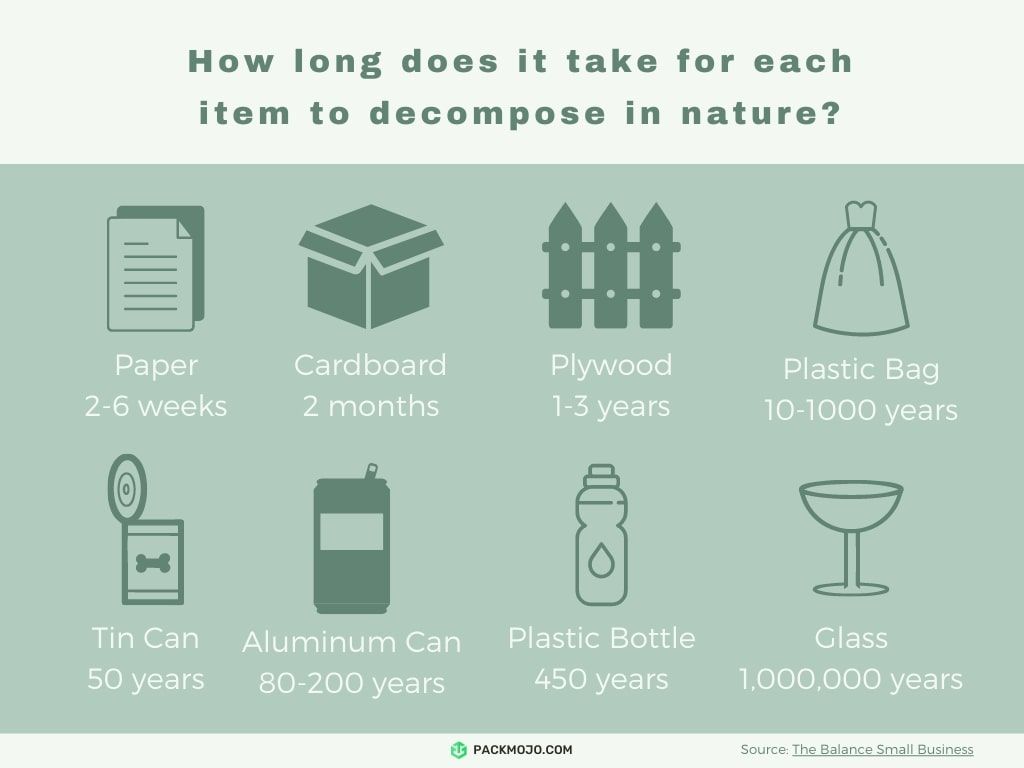
In this project, you'll compare how long biodegradable materials take to decompose versus plastic. This will shed light on pollution and waste management challenges.

10 days·middle
Biofuels Science Fair Project: Fuel Efficiency Comparison
earth sciencehard

Biofuels Science Fair Project: Fuel Efficiency Comparison

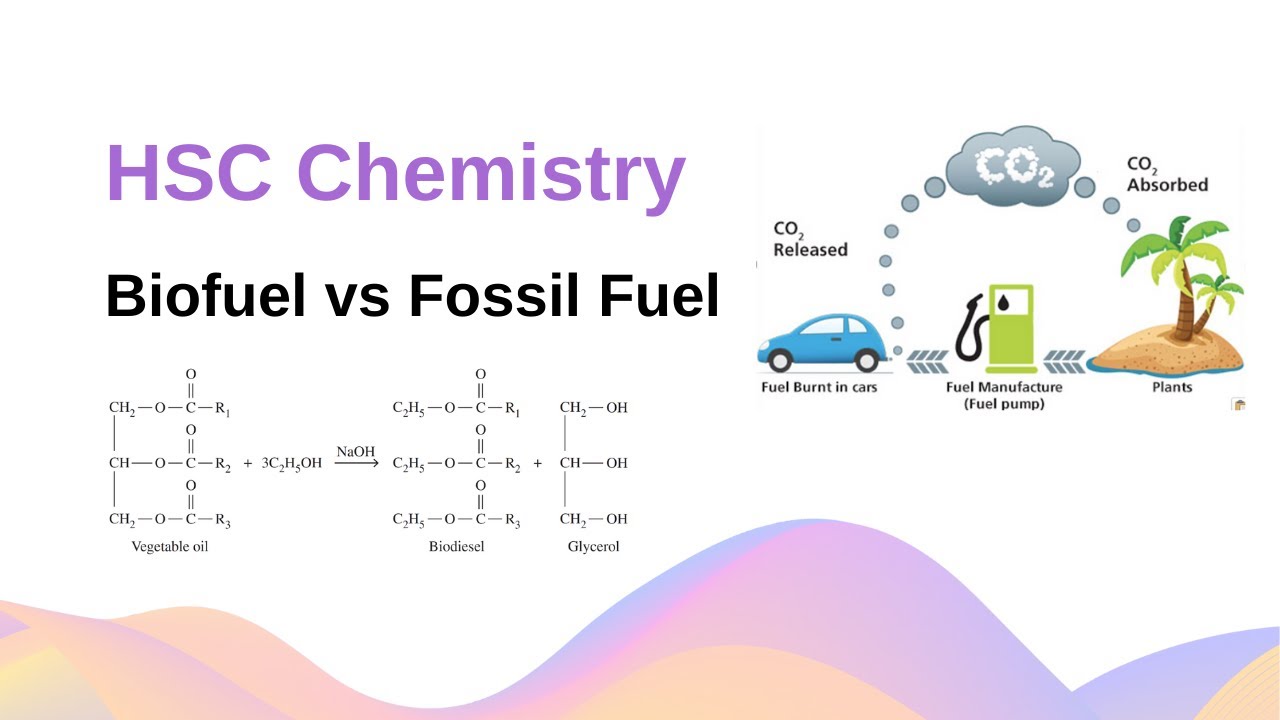
This project compares the fuel efficiency of various biofuels, such as ethanol and biodiesel. Students will conduct experiments to measure energy output and sustainability, aligning with current environmental challenges.

10 days·high
Bioremediation: Can Plants Clean Contaminated Soil Science Project
earth sciencehard

Bioremediation: Can Plants Clean Contaminated Soil Science Project

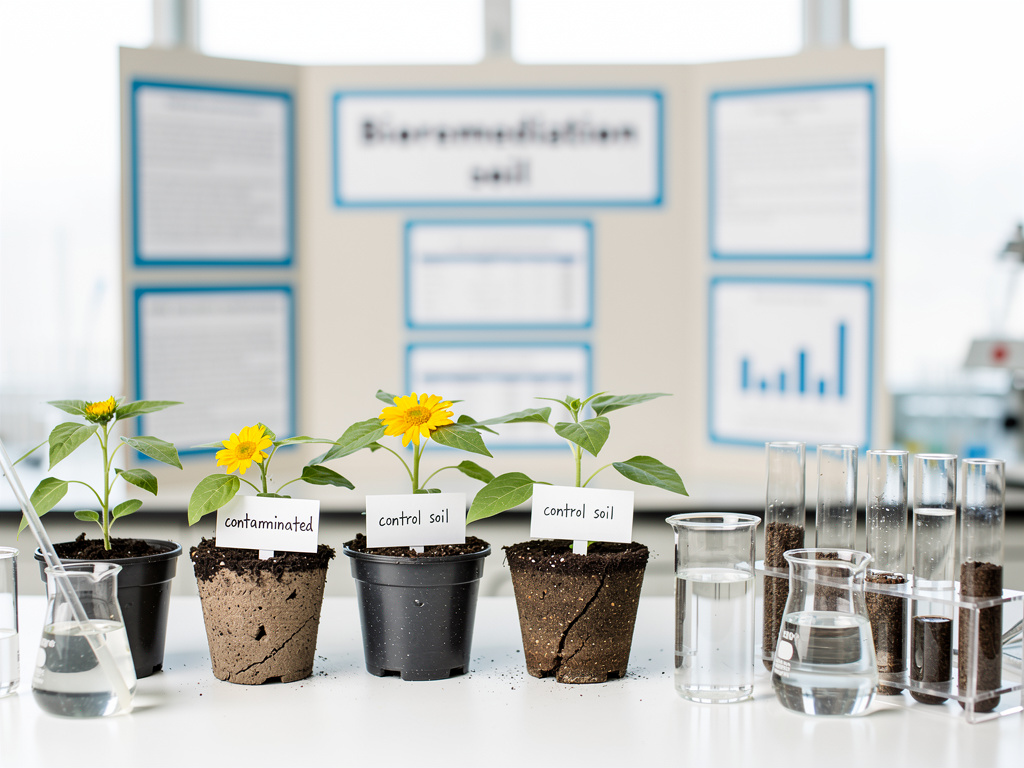
Explore the potential of plants to remediate contaminated soil. Conduct experiments to determine how effective certain plants are at absorbing pollutants!

14 days·high

Like this project? Get more ideas!