Science Fair Projects
earth scienceeasy elementary 1 days

The Greenhouse Effect in a Jar

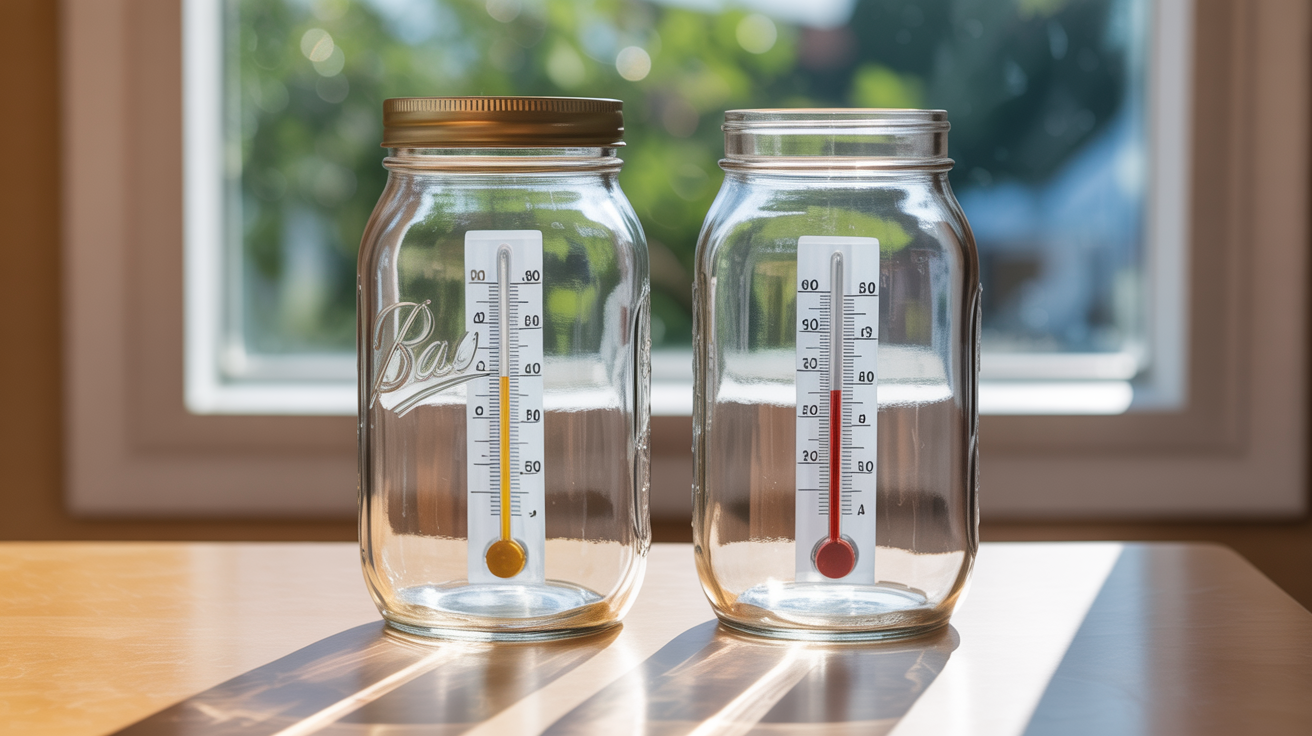
This experiment uses two glass jars—one covered and one open—to demonstrate how greenhouse gases trap heat in the Earth's atmosphere. By measuring the temperature change in both jars when placed in sunlight, you can see the greenhouse effect in action.

The Greenhouse Effect in a Jar

Hypothesis

If two jars, one covered and one uncovered, are placed in direct sunlight, then the temperature inside the covered jar will increase more than the temperature in the uncovered jar because the cover will trap heat, simulating the greenhouse effect.

Materials Needed

Glass jars of the same size — 2Buy
Lid or plastic wrap for one jar — 1Buy
Thermometers — 2Buy
Tape — as neededBuy
Sunny day — 1Buy

As an Amazon Associate, this site earns from qualifying purchases.

Step-by-Step Procedure

  1. 1

    Place a thermometer inside each jar. If necessary, tape it to the inside so you can read the temperature from the outside.

  2. 2

    Cover one of the jars with a lid or a tight layer of plastic wrap. This is your 'greenhouse' jar.

  3. 3

    Leave the other jar open. This is your 'control' jar.

  4. 4

    Place both jars in a sunny spot, either outdoors or on a sunny windowsill.

  5. 5

    Record the starting temperature in both jars.

  6. 6

    Record the temperature in both jars every 15 minutes for one hour.

  7. 7

    Compare the temperature changes in the two jars.

  8. 8

    Create a graph to show how the temperature changed over time for each jar.

Expected Results

The temperature in the covered jar will rise faster and reach a higher temperature than the temperature in the open jar. This is because the sunlight (shortwave radiation) passes through the glass and heats the air inside. The heat (longwave radiation) is then trapped by the glass cover and cannot escape, causing the temperature to build up. This is analogous to how greenhouse gases trap heat in the Earth's atmosphere.

Variables

Independent Variable

The presence or absence of a cover on the jar.

Dependent Variable

The temperature inside the jar.

Controlled Variables

The size of the jars, the type of thermometers, and the amount of sunlight they receive.

Safety Notes

Be careful when handling glass jars. The jars can get hot in the sun, so handle them with care.

Presentation Tips

  • Use a line graph to clearly show the difference in temperature change between the two jars.

  • Create a diagram that explains how the greenhouse effect works on Earth, and how your experiment models it.

  • Discuss the importance of the greenhouse effect for life on Earth, as well as the problems caused by an enhanced greenhouse effect (global warming).

Frequently Asked Questions

What are greenhouse gases?

Greenhouse gases are gases in the Earth's atmosphere that trap heat. The main greenhouse gases are carbon dioxide (CO2), methane (CH4), and water vapor (H2O). They act like a blanket, keeping the Earth warm enough for life to exist.

Is the greenhouse effect a bad thing?

The natural greenhouse effect is essential for life on Earth. Without it, the Earth would be too cold to support life. However, human activities, like burning fossil fuels, have increased the concentration of greenhouse gases in the atmosphere, leading to an 'enhanced' greenhouse effect and global warming, which is a serious problem.

How is the glass jar similar to the Earth's atmosphere?

In this model, the glass jar acts like the greenhouse gases in the atmosphere. It allows sunlight to enter, but it traps the heat that is radiated back from the inside, causing the temperature to rise. This is a simplified but effective way to demonstrate the basic principle.

Related Projects

Analyzing the Role of Vegetation in Urban Heat Islands
earth sciencehard

Analyzing the Role of Vegetation in Urban Heat Islands

This project investigates how vegetation influences temperature in urban heat islands. By comparing areas with varying plant cover, students can assess the cooling effects of vegetation.

30 days·high
Animal Habitats Diorama Science Project - Explore Different Ecosystems
earth scienceeasy

Animal Habitats Diorama Science Project - Explore Different Ecosystems

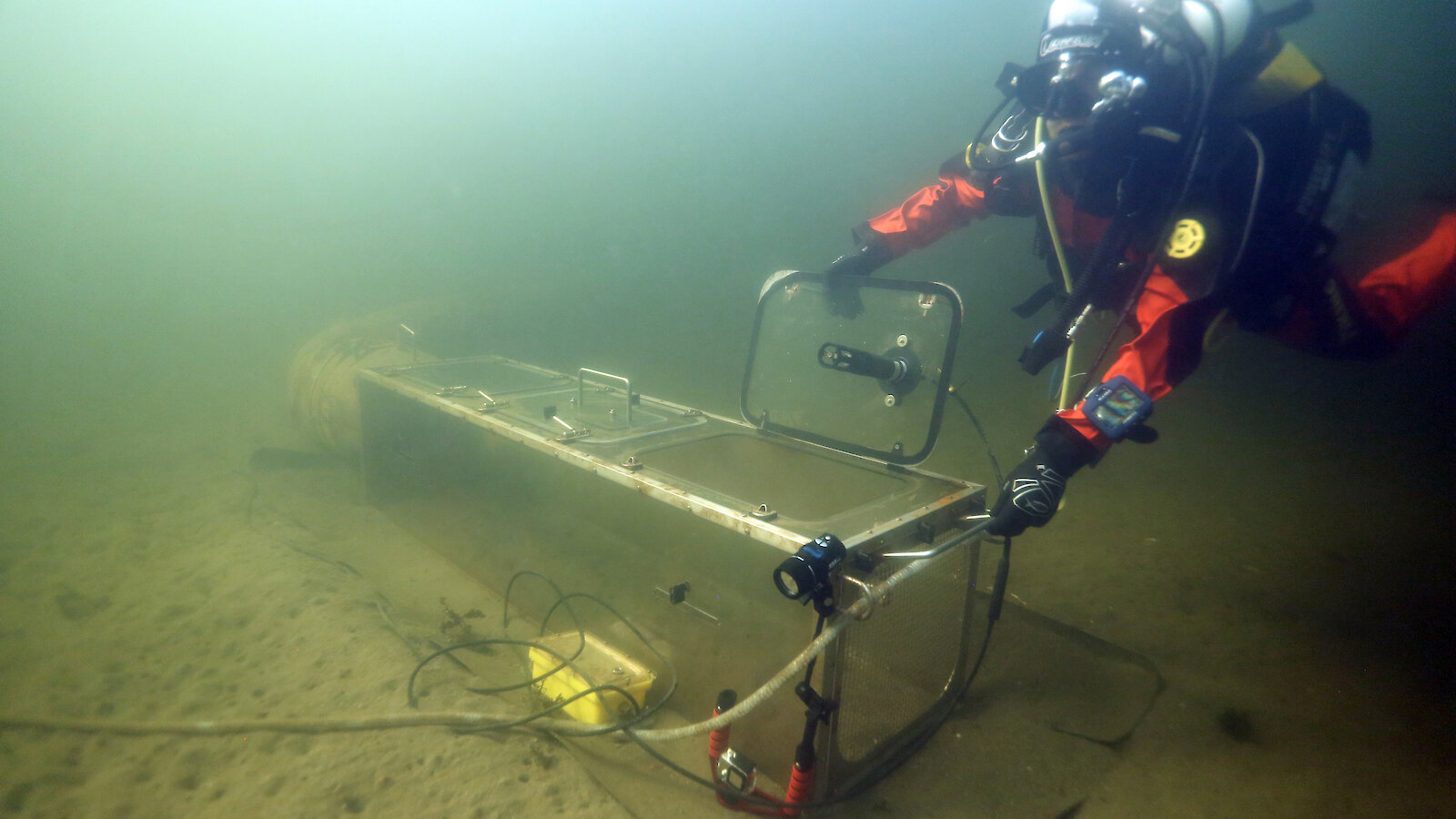
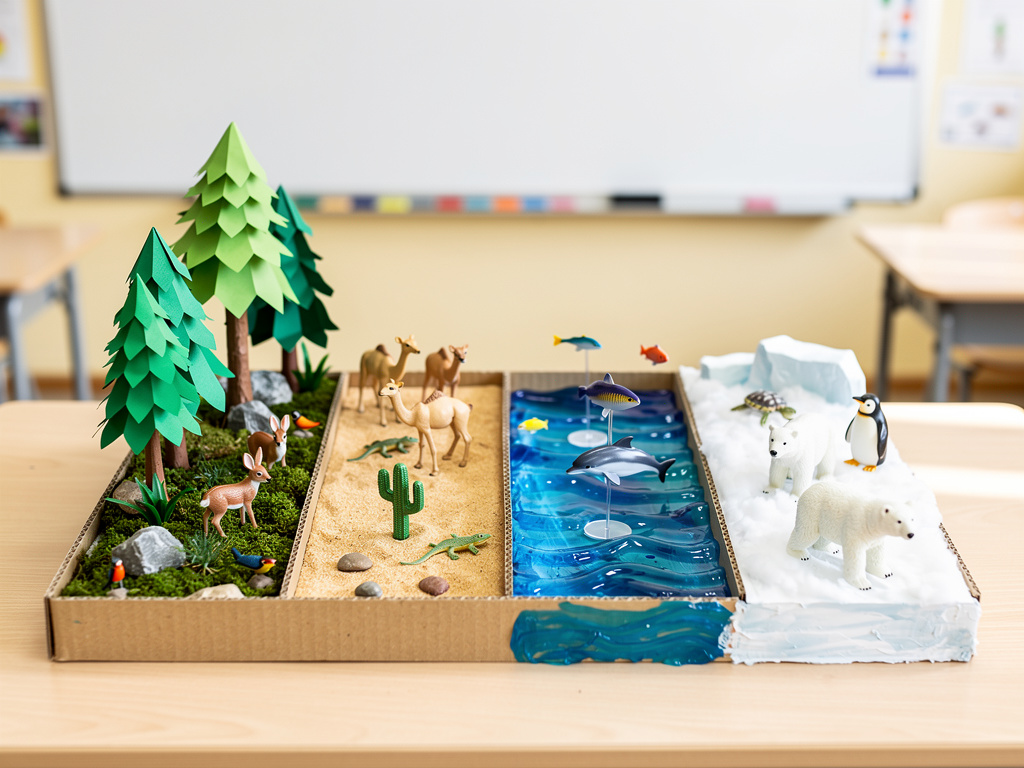
In this diorama project, students can explore various animal habitats. By creating a 3D model, they will learn about different ecosystems, the animals that live there, and their adaptations.

7 days·elementary
Aquatic Echoes: Impact of Ocean Acidification on Sound Propagation
earth sciencehard

Aquatic Echoes: Impact of Ocean Acidification on Sound Propagation

This project explores the effects of ocean acidification on how sound travels underwater. By simulating different pH levels and measuring sound speed, students will understand the environmental implications of changing ocean chemistry.

25 days·high
Biodegradable vs Plastic Decomposition Rates Science Project
earth sciencemedium

Biodegradable vs Plastic Decomposition Rates Science Project

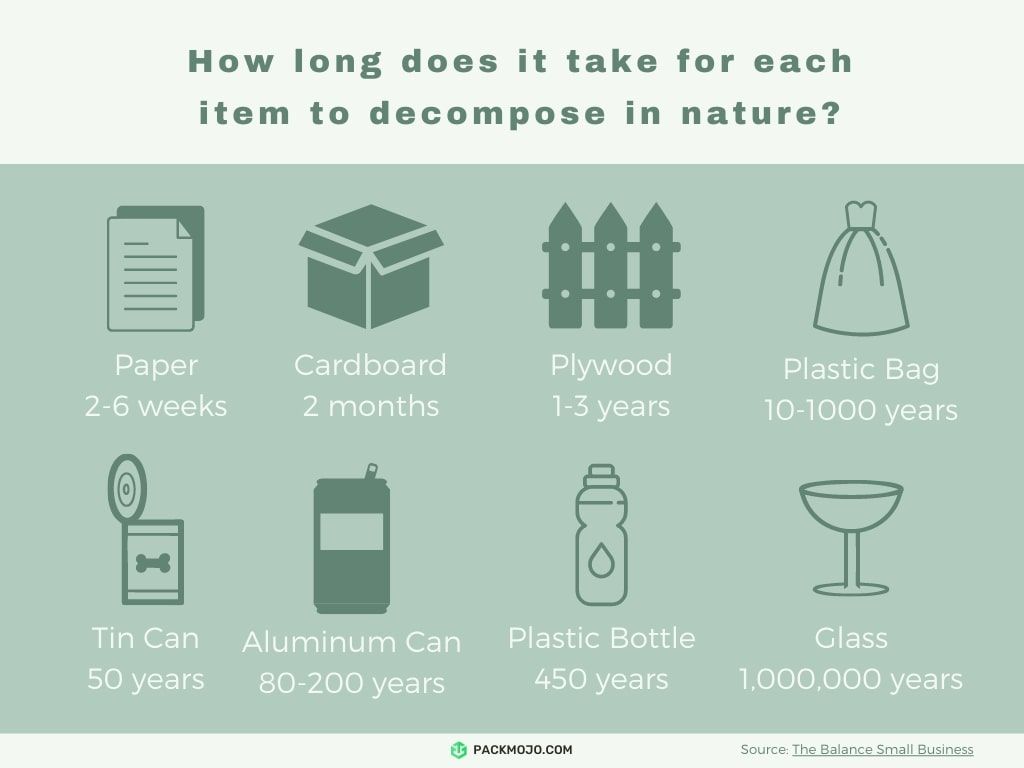
In this project, you'll compare how long biodegradable materials take to decompose versus plastic. This will shed light on pollution and waste management challenges.

10 days·middle
Biofuels Science Fair Project: Fuel Efficiency Comparison
earth sciencehard

Biofuels Science Fair Project: Fuel Efficiency Comparison

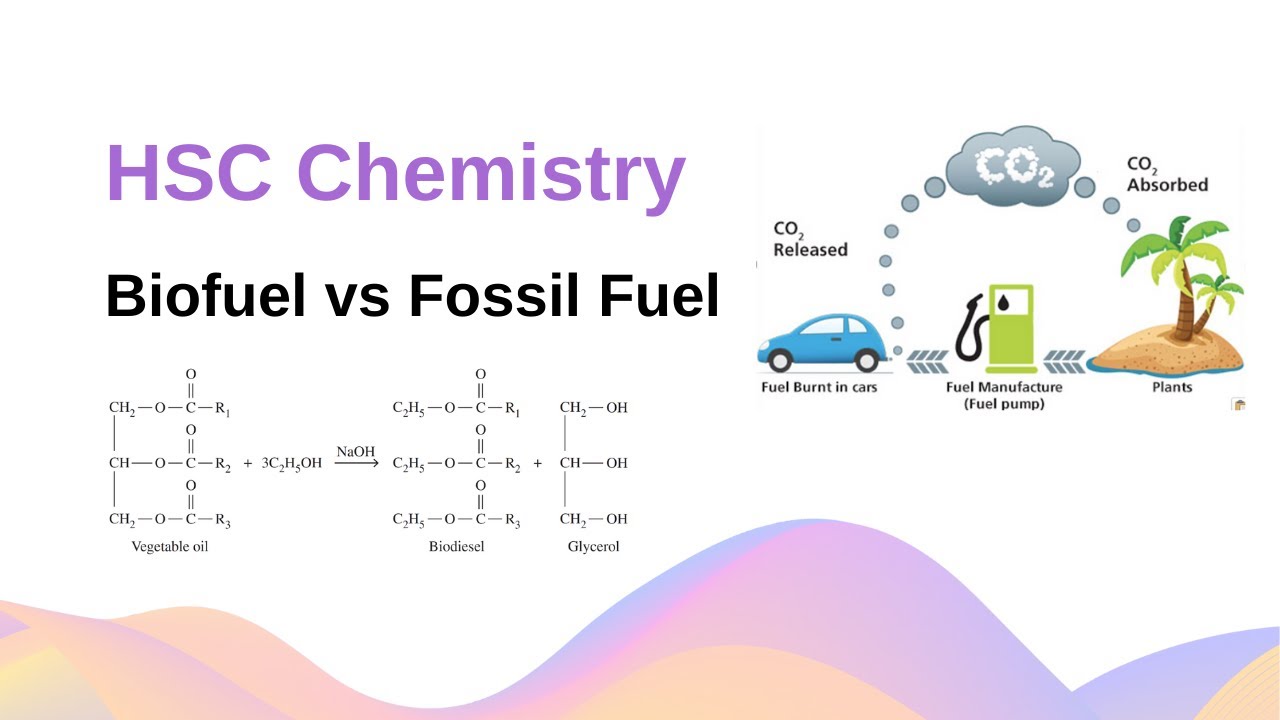
This project compares the fuel efficiency of various biofuels, such as ethanol and biodiesel. Students will conduct experiments to measure energy output and sustainability, aligning with current environmental challenges.

10 days·high
Bioremediation: Can Plants Clean Contaminated Soil Science Project
earth sciencehard

Bioremediation: Can Plants Clean Contaminated Soil Science Project

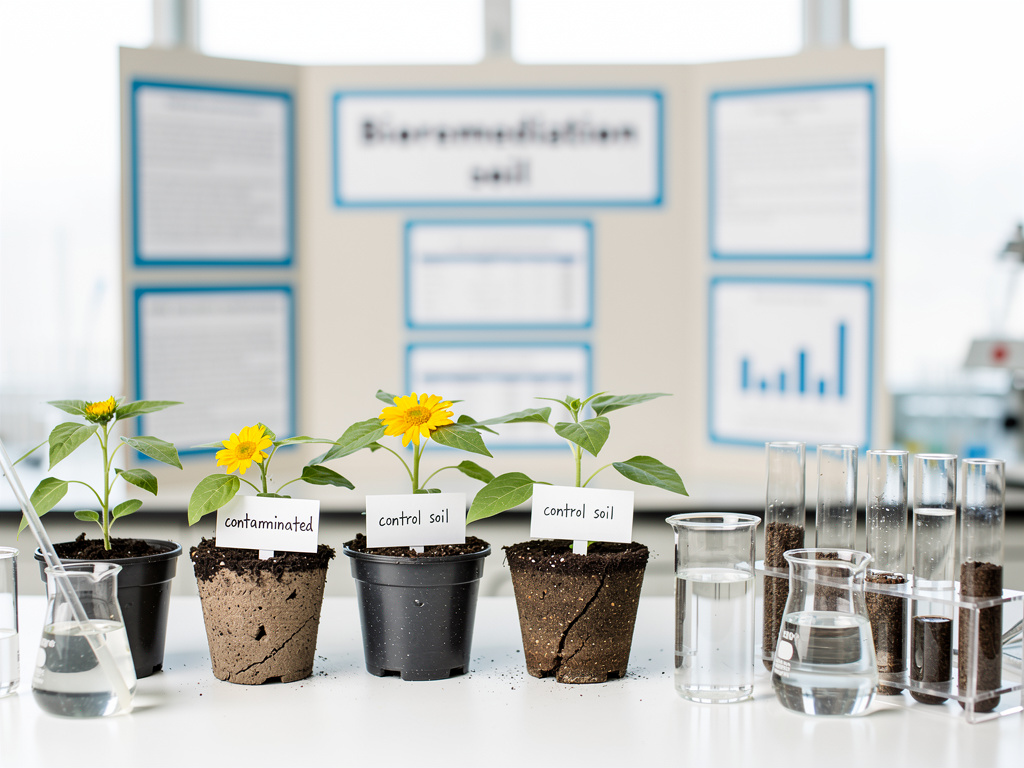
Explore the potential of plants to remediate contaminated soil. Conduct experiments to determine how effective certain plants are at absorbing pollutants!

14 days·high

Like this project? Get more ideas!