Analyzing the Role of Vegetation in Urban Heat Islands
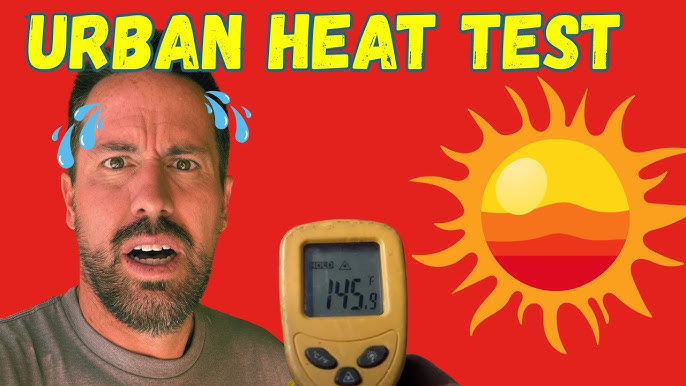
This project investigates how vegetation influences temperature in urban heat islands. By comparing areas with varying plant cover, students can assess the cooling effects of vegetation.
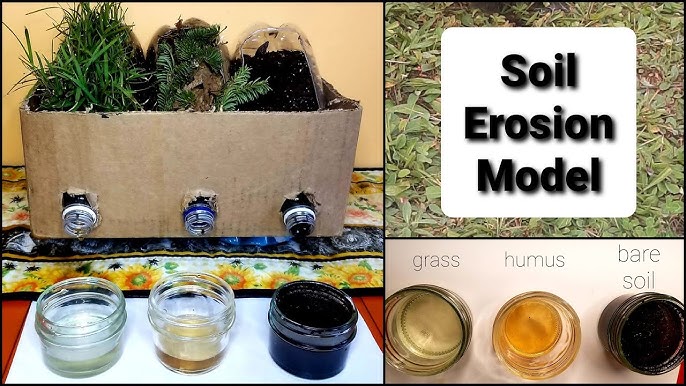
Investigate how different types of plant roots affect soil erosion. Students will see the difference in erosion between soil with roots and soil without roots.

If soil has more plant roots, then less erosion will occur compared to soil with fewer or no roots.
As an Amazon Associate, this site earns from qualifying purchases.
Fill two trays with an equal amount of soil.
Plant seedlings in one tray, leaving the other without plants.
Water both trays equally every day.
Observe and measure any soil erosion after watering.
Record the differences in erosion between trays.
Take photographs of the trays over the course of a few days.
Analyze which tray has more soil erosion.
Conclude how roots affect soil stabilization.
Students will likely observe less erosion in the tray with plant roots, showing how roots can help stabilize soil.
Presence of plant roots
Amount of soil erosion
Amount of soil, Amount of water, Type of plant
Ensure to wash hands after handling soil.
Use clear photographs to show differences in erosion.
Explain the importance of plants in preventing erosion.
Discuss real-world applications of soil erosion prevention.
Roots hold soil together and absorb water, reducing erosion.
Most plants help, but those with denser root systems are more effective.
Yes, the principles are used in landscaping and agriculture to prevent erosion.