Analyzing the Role of Vegetation in Urban Heat Islands
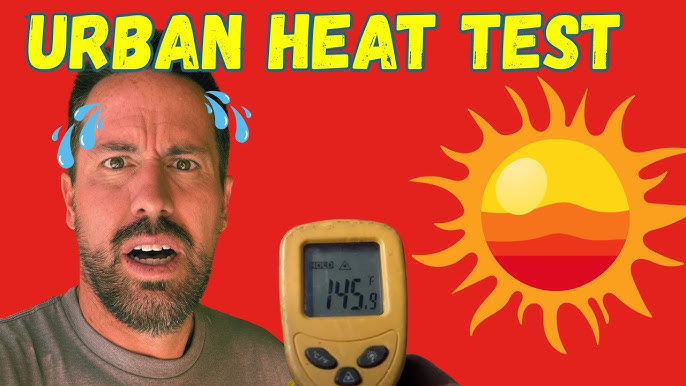
This project investigates how vegetation influences temperature in urban heat islands. By comparing areas with varying plant cover, students can assess the cooling effects of vegetation.
This project examines how different soil compositions affect their ability to store carbon. By analyzing various soil samples, students can understand soil's role in climate change mitigation.

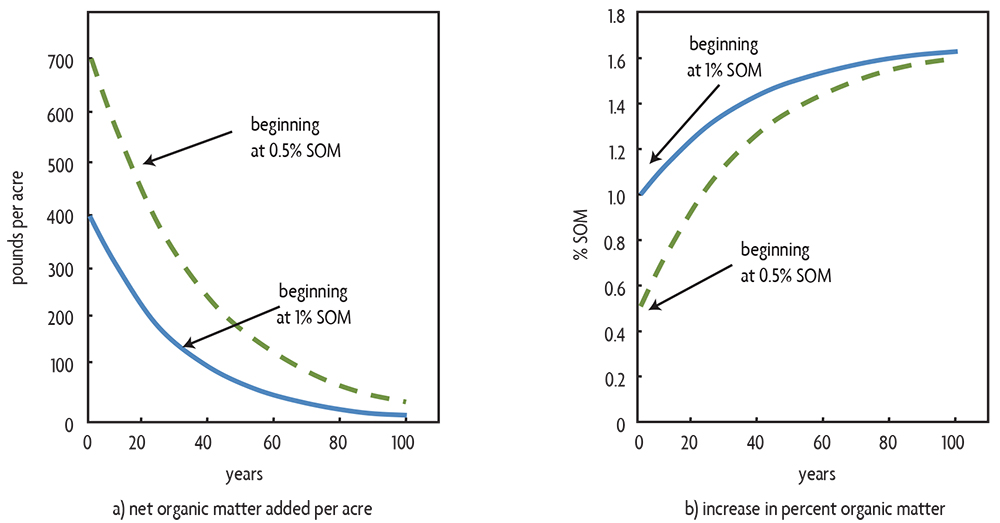
If the soil composition contains higher organic content, then its carbon sequestration capability will be greater.
As an Amazon Associate, this site earns from qualifying purchases.
Collect soil samples of different compositions: clay, sand, and loam.
Place each soil type in separate plastic containers.
Measure initial pH levels of each soil sample with a pH meter.
Use carbon dioxide sensors to measure baseline CO2 levels above each soil.
Add equal amounts of water to each soil sample and monitor CO2 levels daily.
Record pH and CO2 data over a three-week period.
Analyze data to determine the relationship between soil composition and carbon sequestration.
Compare CO2 absorption rates between soil types.
Conclude which soil type has the highest carbon sequestration potential.
It is expected that soils with higher organic content will show greater carbon sequestration abilities, highlighting their potential for mitigating climate change.
Soil composition
Carbon sequestration capability
Water amount, Container size, CO2 sensor type, Environmental conditions
Handle soil samples with gloves to avoid contamination. Ensure carbon dioxide sensors are used according to manufacturer instructions.
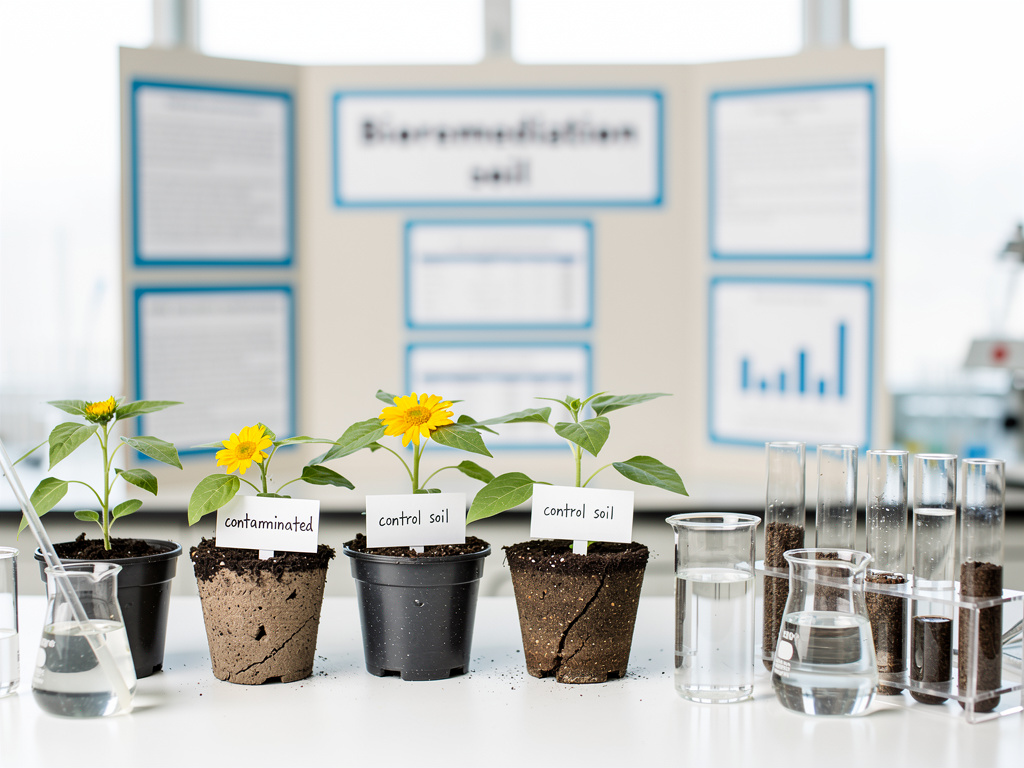
Prepare visual charts to display CO2 sequestration differences.
Use soil samples to demonstrate physical differences in composition.
Discuss the implications of carbon sequestration on climate change.
It helps reduce the amount of carbon dioxide in the atmosphere, mitigating climate change.
Calibrate the CO2 sensors before each use and ensure all samples are monitored in similar conditions.
Yes, understanding soil's role in carbon storage can inform sustainable agriculture and land management practices.