Analyzing the Role of Vegetation in Urban Heat Islands
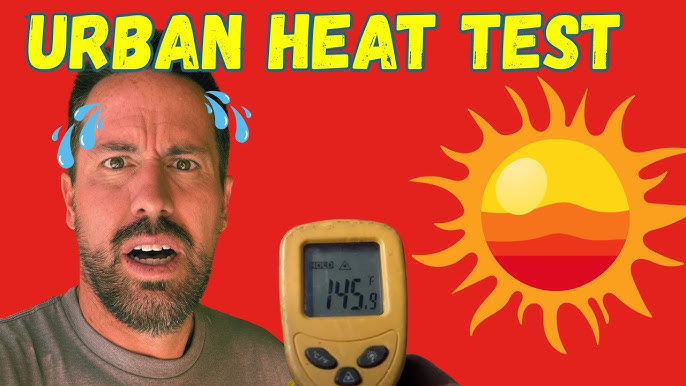
This project investigates how vegetation influences temperature in urban heat islands. By comparing areas with varying plant cover, students can assess the cooling effects of vegetation.
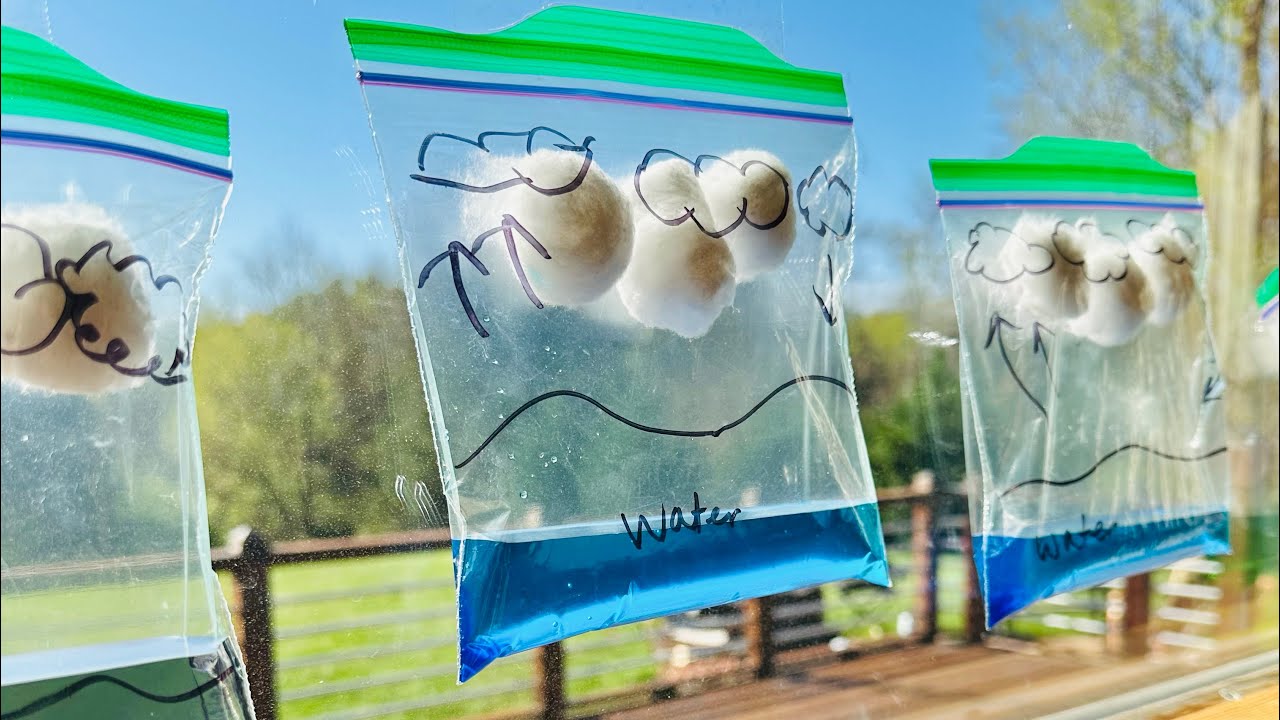
This project allows students to create a visual representation of the water cycle using a resealable plastic bag. As the sun heats the bag, evaporation and condensation can be observed, providing a clear understanding of how the water cycle works.

If water is sealed in a bag and exposed to sunlight, then the water will evaporate and condense, creating a mini water cycle.
As an Amazon Associate, this site earns from qualifying purchases.
Draw the sun and clouds on the front of the plastic bag with permanent markers.
Pour 1/4 cup of water into the bag.
Seal the bag tightly to prevent leaks.
Tape the bag to a sunny window.
Observe the bag over the next few hours.
Watch for condensation forming inside the bag.
Note how the water evaporates and eventually drips down like rain.
Discuss how this model represents the water cycle.
Take photos of the bag at different times.
Clean up the materials after the experiment.
The water should evaporate, condense on the bag's surface, and eventually create droplets that mimic rain, illustrating the water cycle.
Exposure to sunlight
Amount of condensation
Amount of water, Size of bag, Location
Ensure the bag is sealed tightly to prevent spills; avoid exposure to extreme heat.
Use photos to show the progression of the water cycle in the bag.
Explain each stage of the water cycle clearly.
Engage the audience by asking about their own water cycle experiences.
Include a diagram of the water cycle for reference.
Discuss the importance of the water cycle in nature.
It can take a few hours to see the effects.
Using too much water may cause leaks.
It may still work but will take longer.