
Analyzing the Role of Vegetation in Urban Heat Islands
This project investigates how vegetation influences temperature in urban heat islands. By comparing areas with varying plant cover, students can assess the cooling effects of vegetation.
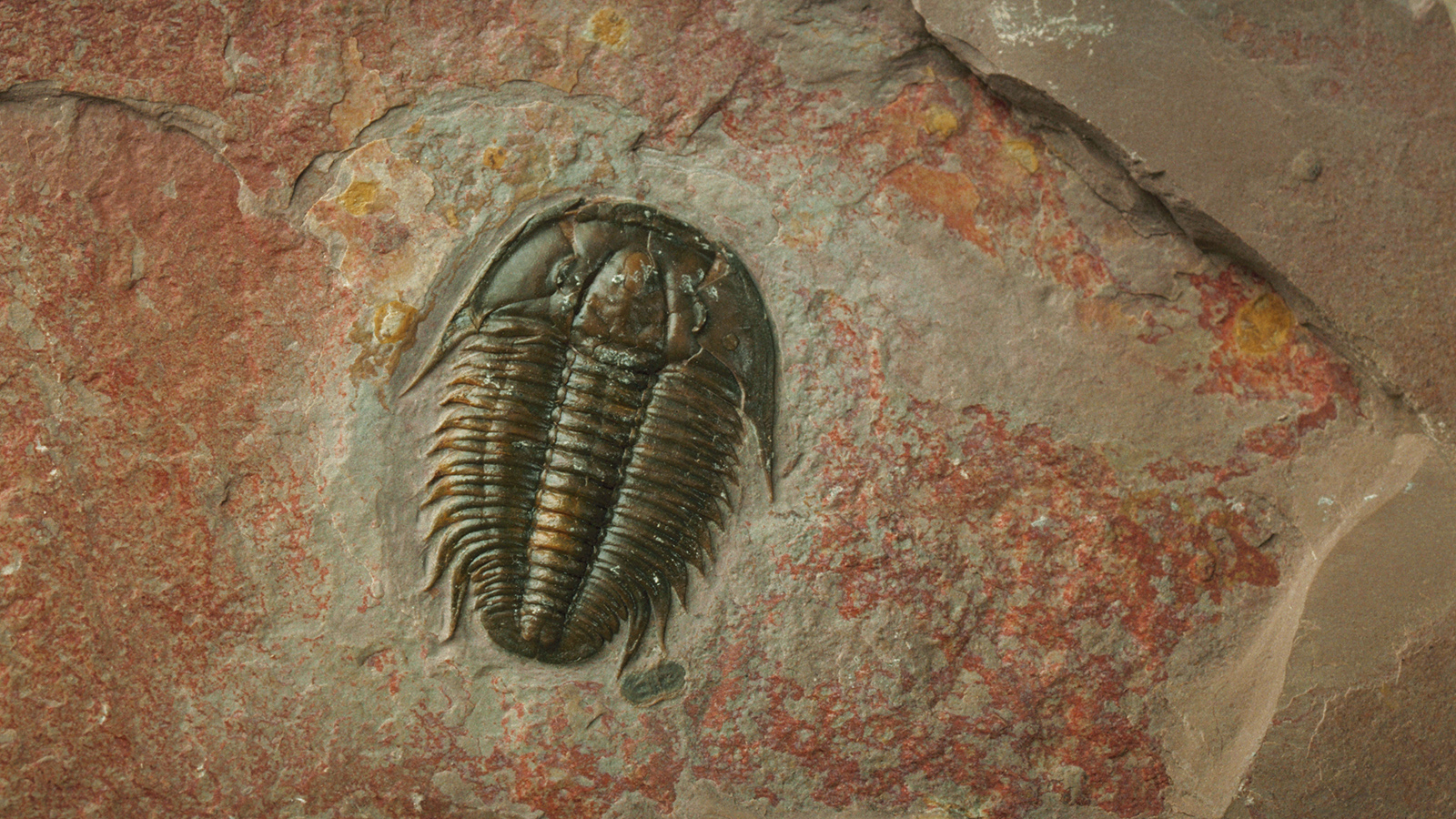
This project allows students to understand sedimentary rock formation by simulating fossil creation. Using layers of sediments and water, students will make imprints and observe the formation process over time.

If sediment layers are compacted over time, then they will form a solid structure similar to sedimentary rocks, capturing imprints as fossils.
As an Amazon Associate, this site earns from qualifying purchases.
Step 1: Gather all materials and line the container with plastic wrap.
Step 2: Layer sand and clay alternately in the container.
Step 3: Place small shells or leaves between layers as fossils.
Step 4: Add a small amount of water to moisten the layers.
Step 5: Cover the container with plastic wrap.
Step 6: Place weights on top to simulate pressure.
Step 7: Leave the setup undisturbed for one week.
Step 8: Remove weights and unwrap the container.
Step 9: Extract the sediment layers and observe the imprints.
Step 10: Record observations and compare them to real sedimentary rocks.
The layers of sand and clay will compact over time, forming a hardened structure with clear imprints of the fossils, mimicking natural sedimentary rock formation.
Type of sediment layers
Quality of fossil imprints
Amount of water, Pressure applied, Container size
Ensure a stable setup to avoid spills and use non-toxic materials.
Include photos of each step of the formation process.
Explain the role of pressure and time in rock formation.
Compare your fossils to natural ones.
Sedimentary rocks are formed from the accumulation and compaction of sediments.
Sand and clay simulate the natural sediments involved in rock formation.
It can take thousands to millions of years for sedimentary rocks to form naturally.