Science Fair Projects
earth scienceeasy elementary 10 days

Rock Candy: Growing Edible Crystals

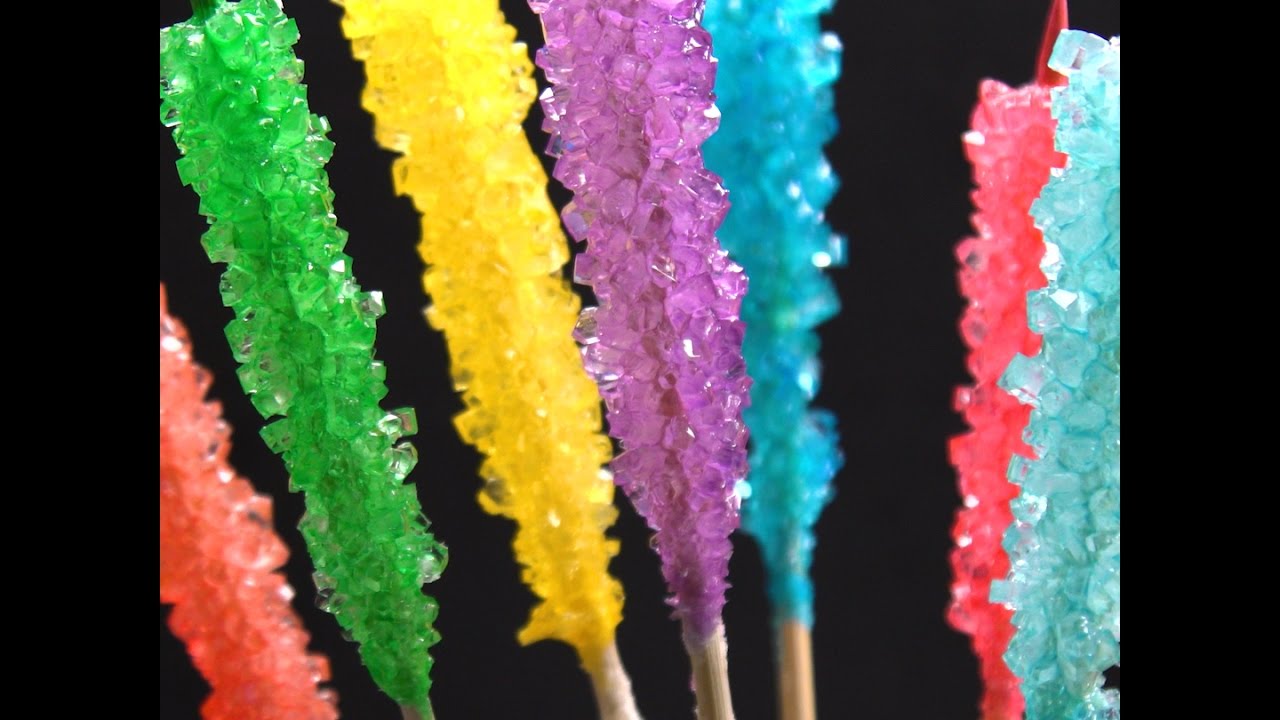
This experiment guides you through the process of making rock candy by growing large sugar crystals from a solution. It's a fun, edible project that demonstrates the same principles of crystallization that form minerals and rocks in the Earth's crust.

Rock Candy: Growing Edible Crystals

Hypothesis

If a wooden skewer is suspended in a supersaturated sugar solution, then large sugar crystals will form on the skewer as the water slowly evaporates, providing a model for how mineral crystals grow from solutions in the earth.

Materials Needed

Sugar — 2-3 cupsBuy
Water — 1 cupBuy
Glass jar — 1Buy
Wooden skewer or string — 1Buy
Clothespin — 1Buy
Saucepan — 1Buy
Food coloring (optional) — a few dropsBuy

As an Amazon Associate, this site earns from qualifying purchases.

Step-by-Step Procedure

  1. 1

    Wet the wooden skewer and roll it in granulated sugar. Let this dry completely. This will give the crystals a surface to start growing on.

  2. 2

    With adult help, bring the water to a boil in the saucepan.

  3. 3

    Slowly stir in the sugar, one cup at a time, until no more sugar will dissolve. The solution should be clear.

  4. 4

    Remove the pan from the heat and let it cool for about 20 minutes.

  5. 5

    If desired, add a few drops of food coloring.

  6. 6

    Carefully pour the warm sugar solution into the glass jar.

  7. 7

    Use the clothespin to suspend the sugar-coated skewer in the middle of the jar, making sure it doesn't touch the bottom or sides.

  8. 8

    Place the jar in a safe place where it won't be disturbed.

  9. 9

    Observe the jar every day as the crystals grow. This will take about a week.

  10. 10

    Once you are happy with the size of your crystals, remove the skewer and let it dry on a piece of wax paper.

Expected Results

Over the course of a week, large sugar crystals will grow on the skewer. This happens because you created a supersaturated solution, which is unstable. As the water cools and evaporates, the sugar molecules come out of the solution and attach themselves to the 'seed' crystals on the skewer, building up large, geometric crystal structures.

Variables

Independent Variable

The slow cooling and evaporation of a supersaturated sugar solution.

Dependent Variable

The growth of sugar crystals on the skewer.

Controlled Variables

The ratio of sugar to water, the type of container, and the ambient temperature.

Safety Notes

An adult must supervise the process of boiling water and making the hot sugar solution, as it can cause serious burns. Be patient and do not disturb the jar while the crystals are growing.

Presentation Tips

  • Display your finished rock candy skewer.

  • Explain the concept of a supersaturated solution and how it relates to crystal growth.

  • Draw parallels between your sugar crystals and the formation of mineral crystals like quartz or amethyst from hot, mineral-rich water inside the Earth.

Frequently Asked Questions

Why do I need to coat the skewer in sugar first?

The sugar crystals on the skewer act as 'seed crystals.' They provide a starting point, or nucleation site, for the sugar molecules in the solution to attach to. Without these seed crystals, the sugar might just crystallize on the bottom of the jar.

My crystals aren't growing. What did I do wrong?

Crystal growing requires patience! If nothing is happening after a few days, your solution might not have been supersaturated enough. This means you may not have dissolved enough sugar in the hot water. You can try gently reheating the solution and dissolving more sugar.

How is this related to rocks?

Many beautiful mineral crystals, like the amethyst and quartz found in geodes, are formed in a similar way. They grow from hot, mineral-rich water that is trapped in underground cavities. As the water cools over thousands of years, the dissolved minerals slowly crystallize, creating the large, beautiful formations we see.

Related Projects

Analyzing the Role of Vegetation in Urban Heat Islands
earth sciencehard

Analyzing the Role of Vegetation in Urban Heat Islands

This project investigates how vegetation influences temperature in urban heat islands. By comparing areas with varying plant cover, students can assess the cooling effects of vegetation.

30 days·high
Animal Habitats Diorama Science Project - Explore Different Ecosystems
earth scienceeasy

Animal Habitats Diorama Science Project - Explore Different Ecosystems

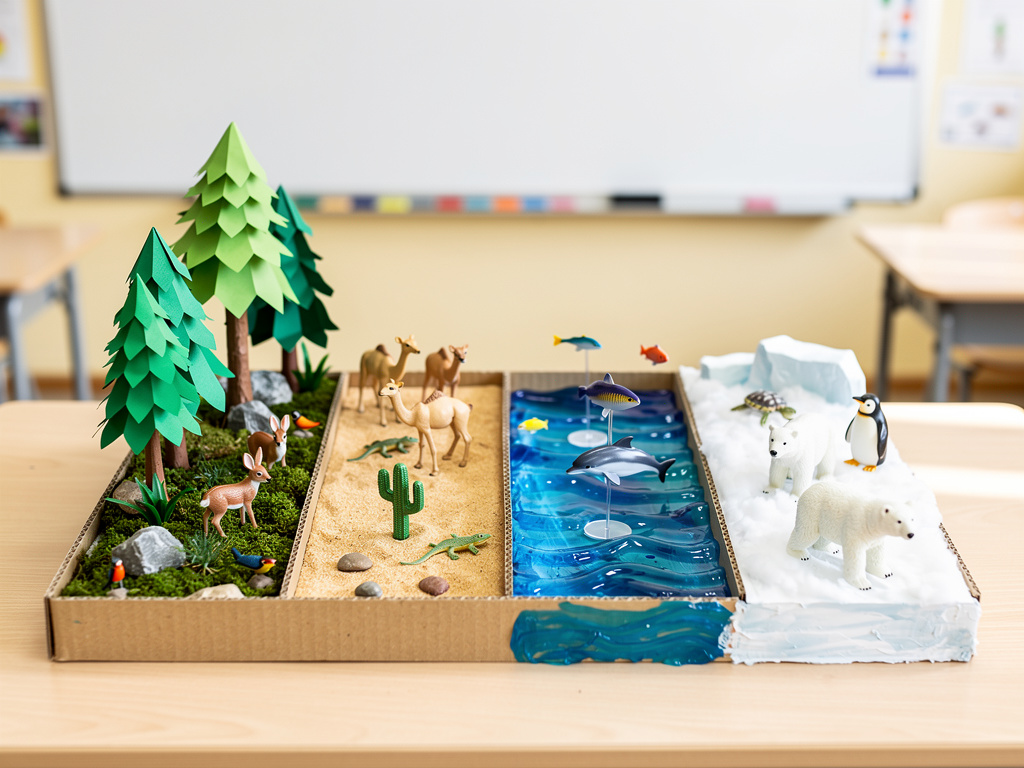
In this diorama project, students can explore various animal habitats. By creating a 3D model, they will learn about different ecosystems, the animals that live there, and their adaptations.

7 days·elementary
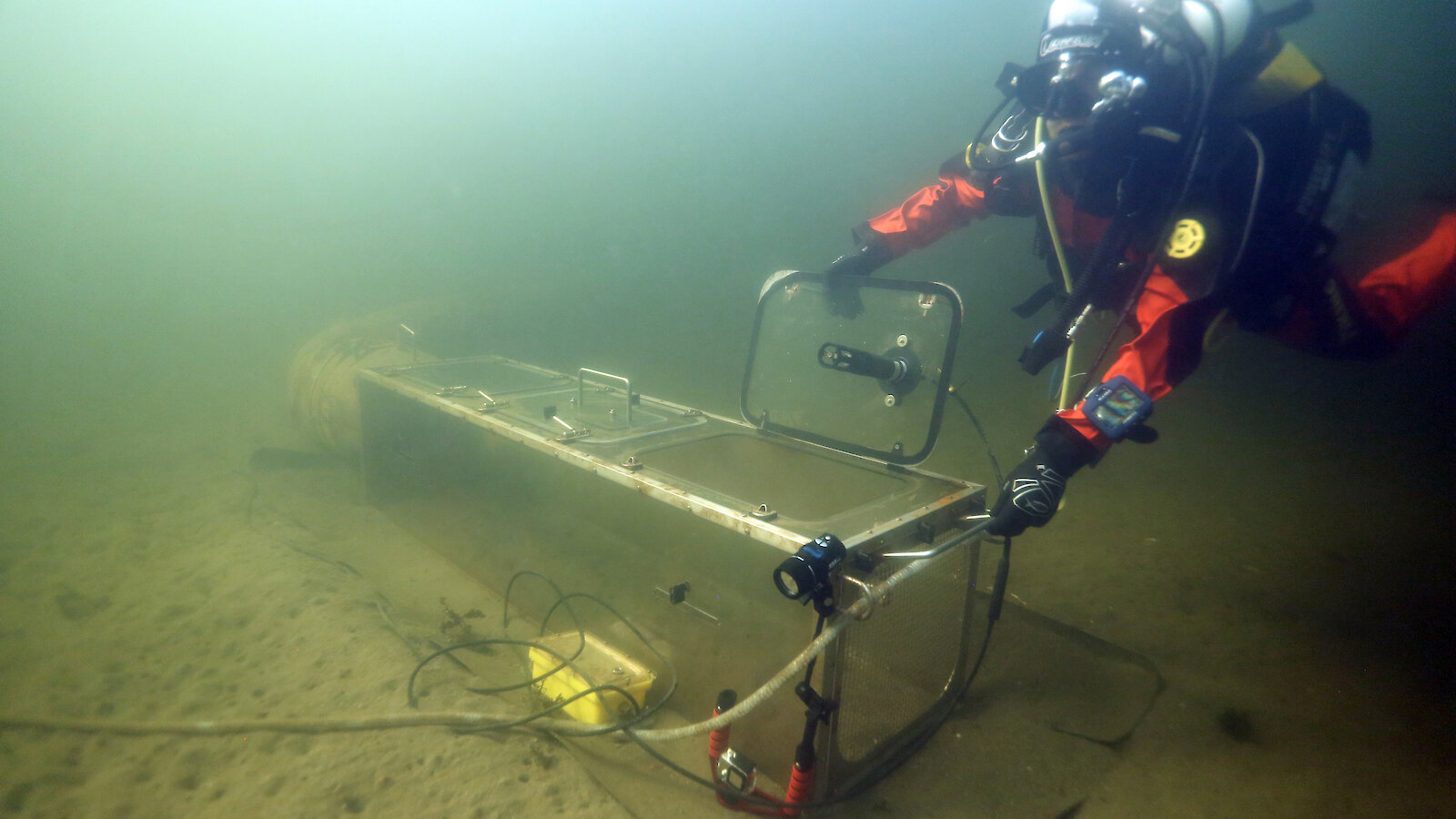
Aquatic Echoes: Impact of Ocean Acidification on Sound Propagation
earth sciencehard

Aquatic Echoes: Impact of Ocean Acidification on Sound Propagation

This project explores the effects of ocean acidification on how sound travels underwater. By simulating different pH levels and measuring sound speed, students will understand the environmental implications of changing ocean chemistry.

25 days·high
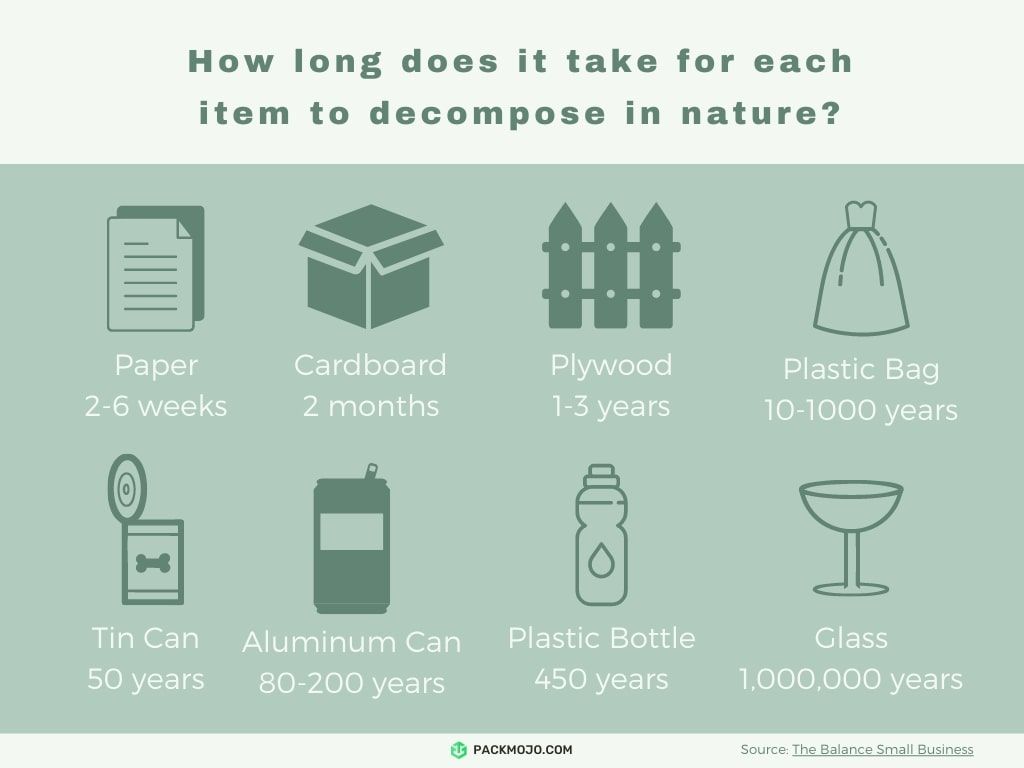
Biodegradable vs Plastic Decomposition Rates Science Project
earth sciencemedium

Biodegradable vs Plastic Decomposition Rates Science Project

In this project, you'll compare how long biodegradable materials take to decompose versus plastic. This will shed light on pollution and waste management challenges.

10 days·middle
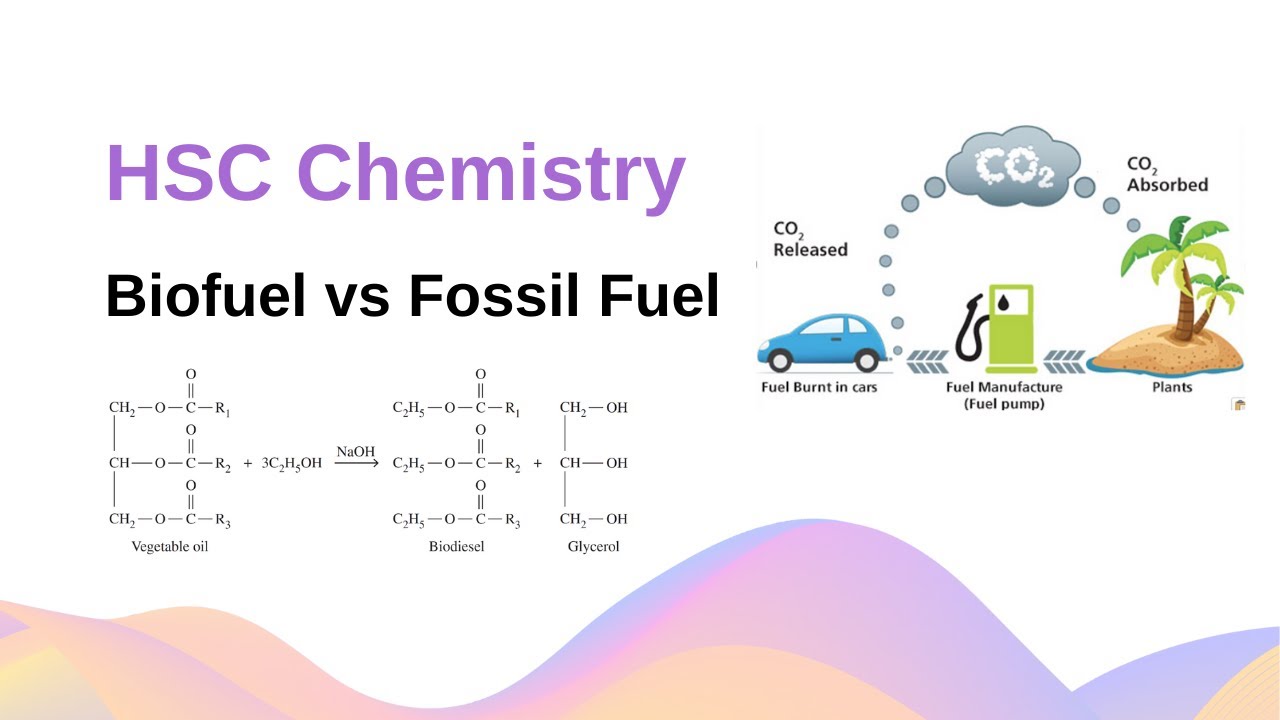
Biofuels Science Fair Project: Fuel Efficiency Comparison
earth sciencehard

Biofuels Science Fair Project: Fuel Efficiency Comparison

This project compares the fuel efficiency of various biofuels, such as ethanol and biodiesel. Students will conduct experiments to measure energy output and sustainability, aligning with current environmental challenges.

10 days·high
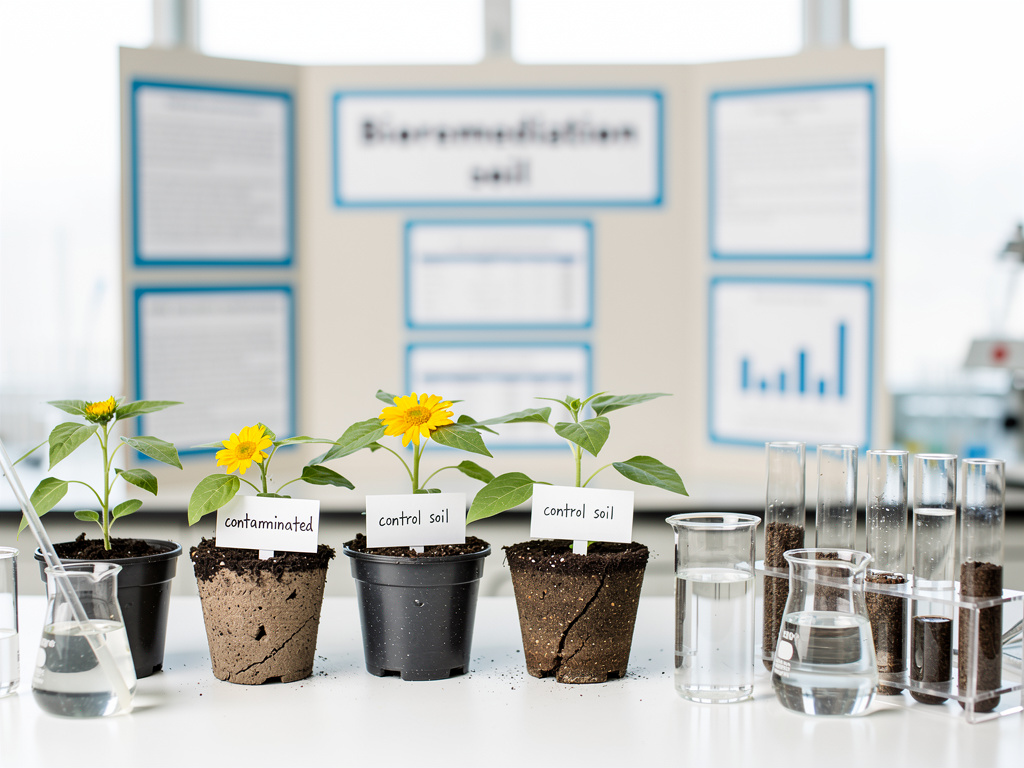
Bioremediation: Can Plants Clean Contaminated Soil Science Project
earth sciencehard

Bioremediation: Can Plants Clean Contaminated Soil Science Project

Explore the potential of plants to remediate contaminated soil. Conduct experiments to determine how effective certain plants are at absorbing pollutants!

14 days·high

Like this project? Get more ideas!