Science Fair Projects
earth sciencehard high 10 days

Effect of Pollution on Aquatic Ecosystems: Water Quality Testing Science Project

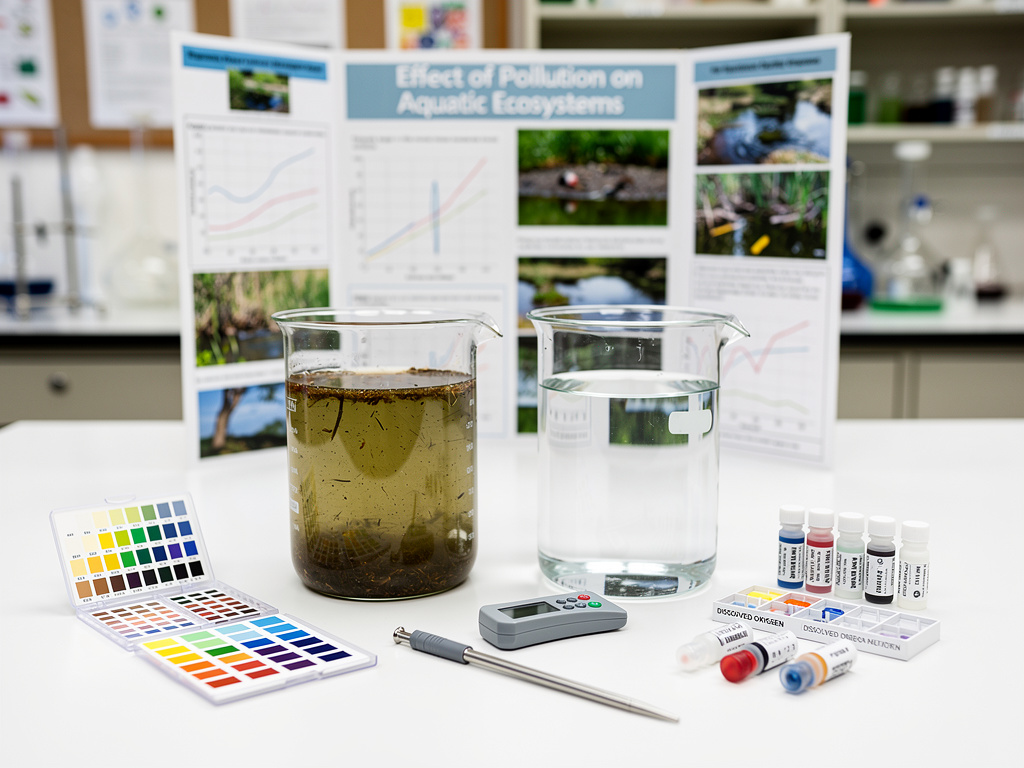
This project studies the effects of pollution on water quality and aquatic ecosystems. By testing samples from different sources, students can analyze the impact of pollutants on aquatic life.

Effect of Pollution on Aquatic Ecosystems: Water Quality Testing Science Project

Hypothesis

If water samples from polluted sources are tested, then they will show higher levels of harmful pollutants compared to samples from clean sources.

Materials Needed

water testing kit1Buy
sample bottles3-5Buy
notebook1Buy
pen or pencil1Buy
labeling stickersas neededBuy
camera (optional)1Buy
gloves1 pairBuy
measuring cups1Buy

As an Amazon Associate, this site earns from qualifying purchases.

Step-by-Step Procedure

  1. 1

    Identify different water sources to test (e.g., pond, stream, tap).

  2. 2

    Collect water samples in sterilized bottles.

  3. 3

    Label each bottle with the source and date of collection.

  4. 4

    Use the water testing kit to measure pollutants (e.g., pH, nitrates).

  5. 5

    Record results in your notebook.

  6. 6

    Compare pollutant levels across different sources.

  7. 7

    Analyze how pollution in water affects aquatic ecosystems.

  8. 8

    Discuss findings and implications for environmental health.

  9. 9

    Prepare a presentation summarizing your research.

  10. 10

    Include visuals of the testing process and results.

Expected Results

It is expected that polluted water samples will show higher levels of harmful pollutants, impacting aquatic ecosystems negatively, thus supporting the hypothesis.

Variables

Independent Variable

source of water sample

Dependent Variable

levels of pollutants detected

Controlled Variables

method of collection, time of collection, type of testing kit

Safety Notes

Wear gloves when handling water samples. Ensure proper sanitation after testing.

Presentation Tips

  • Use charts to display pollutant levels from different sources.

  • Discuss the significance of clean water for ecosystems.

  • Engage the audience with real-life pollution examples.

  • Prepare to answer questions about testing methods.

  • Practice presenting your findings effectively.

Frequently Asked Questions

Like this project? Get more ideas!