Science Fair Projects
earth sciencemedium middle 2 days

Plate Tectonics - Building a Convection Current Model

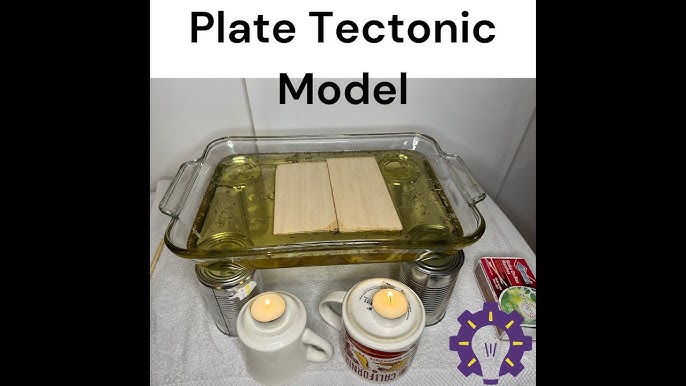
This project involves building a simple convection current model to illustrate how heat from the Earth's core causes tectonic plates to move. By using colored water and a heat source, you can visualize the movement of tectonic plates and understand how they interact at boundaries, leading to earthquakes and volcanic activity.

Plate Tectonics - Building a Convection Current Model

Hypothesis

If we create a convection current, then we can observe how heat causes the movement of water, simulating tectonic plate motion.

Materials Needed

clear plastic container1Buy
hot water2 cupsBuy
cold water1 cupBuy
food coloring2 dropsBuy
small heat source (like a candle)1Buy

As an Amazon Associate, this site earns from qualifying purchases.

Step-by-Step Procedure

  1. 1

    Fill the plastic container with cold water.

  2. 2

    Add a few drops of food coloring to the cold water.

  3. 3

    Heat the hot water to a temperature that is safe.

  4. 4

    Slowly pour the hot water into one end of the container.

  5. 5

    Observe the movement of the colored cold water as the hot water rises.

  6. 6

    Discuss how this simulates convection currents in the Earth’s mantle.

  7. 7

    Introduce different plate boundaries and their interactions.

  8. 8

    Document your findings and observations.

Expected Results

You will observe the movement of water currents that simulate how heat drives plate tectonics, leading to their movement and interactions.

Variables

Independent Variable

temperature of water

Dependent Variable

movement of water

Controlled Variables

amount of water, container type, heat source

Safety Notes

Be cautious when handling hot water to avoid burns; adult supervision is recommended.

Presentation Tips

  • Use diagrams to explain tectonic plate movements.

  • Incorporate a video of real seismic activity.

  • Have a Q&A session for better engagement.

  • Prepare a poster summarizing key findings.

Frequently Asked Questions

Like this project? Get more ideas!