Science Fair Projects
biologyeasy elementary 10 days

Moldy Bread: A Study in Fungi Growth

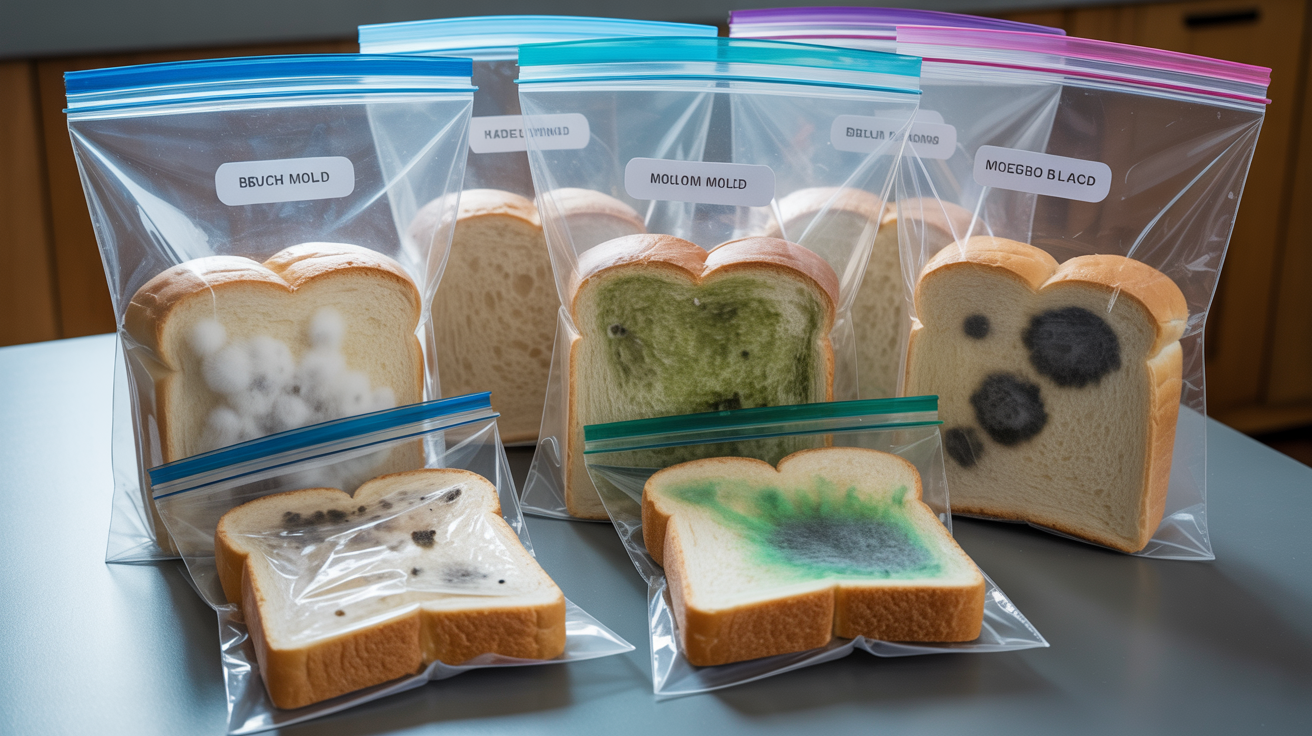
This project explores what factors, such as light, moisture, and temperature, affect the growth of mold on bread. By placing slices of bread in different environments, you can observe and compare how quickly and extensively mold develops.

Moldy Bread: A Study in Fungi Growth

Hypothesis

If slices of bread are kept in warm, dark, and moist conditions, then they will grow mold faster than bread kept in cool, bright, and dry conditions.

Materials Needed

Slices of bread (without preservatives) — 4Buy
Ziploc bags — 4Buy
Water dropper or spray bottle — 1Buy
Permanent marker — 1Buy

As an Amazon Associate, this site earns from qualifying purchases.

Step-by-Step Procedure

  1. 1

    Label the four Ziploc bags: 'Control', 'Moist', 'Dark', 'Cold'.

  2. 2

    Place one slice of bread in the 'Control' bag and seal it. Place this bag in a well-lit area at room temperature.

  3. 3

    For the 'Moist' bag, sprinkle a few drops of water on a slice of bread before sealing it in the bag. Place it next to the control.

  4. 4

    For the 'Dark' bag, sprinkle a few drops of water on a slice of bread, seal it, and place it in a dark cupboard or box.

  5. 5

    For the 'Cold' bag, sprinkle a few drops of water on a slice of bread, seal it, and place it in the refrigerator.

  6. 6

    Observe the bags every day for 10 days. Do not open the bags.

  7. 7

    Record your observations, noting the day you first see mold and the amount and color of the mold on each slice.

  8. 8

    Take photos to document the mold growth.

Expected Results

The bread in the warm, dark, and moist condition ('Dark' bag) is expected to grow the most mold, the most quickly. The moist bread at room temperature ('Moist' bag) will also grow mold, but perhaps more slowly than the one in the dark. The control and the cold bread should show little to no mold growth during the experiment.

Variables

Independent Variable

The environmental conditions (moisture, light, temperature).

Dependent Variable

The amount of mold growth on the bread.

Controlled Variables

The type of bread and the type of bag used.

Safety Notes

Do not open the bags once mold starts to grow, as inhaling mold spores can be harmful, especially for people with allergies or asthma. When the experiment is over, dispose of the sealed bags in the trash. Wash your hands thoroughly after handling the bags.

Presentation Tips

  • Display your photos of the moldy bread in a day-by-day progression.

  • Create a bar chart comparing the amount of mold on each slice at the end of the experiment.

  • Discuss the role of fungi as decomposers in ecosystems and the importance of food preservatives.

Frequently Asked Questions

What is mold?

Mold is a type of fungus that grows in multicellular structures called hyphae. Molds are decomposers, breaking down dead organic material. They reproduce by creating tiny spores that travel through the air.

Why does mold grow well in dark, damp places?

Mold, like other fungi, does not need light to grow because it does not perform photosynthesis. It thrives in moist environments because water is essential for its growth and for the germination of its spores. Warm temperatures also speed up its metabolic processes.

Is all mold on bread dangerous?

While some molds are used to make foods like blue cheese, the types of mold that grow on bread can produce harmful toxins and cause allergic reactions. It is not safe to eat moldy bread, even if you cut off the visible moldy parts, as the mold's roots (hyphae) can spread throughout the bread.

Related Projects

Allelopathy: Do Some Plants Inhibit Growth of Others Science Project
biologymedium

Allelopathy: Do Some Plants Inhibit Growth of Others Science Project

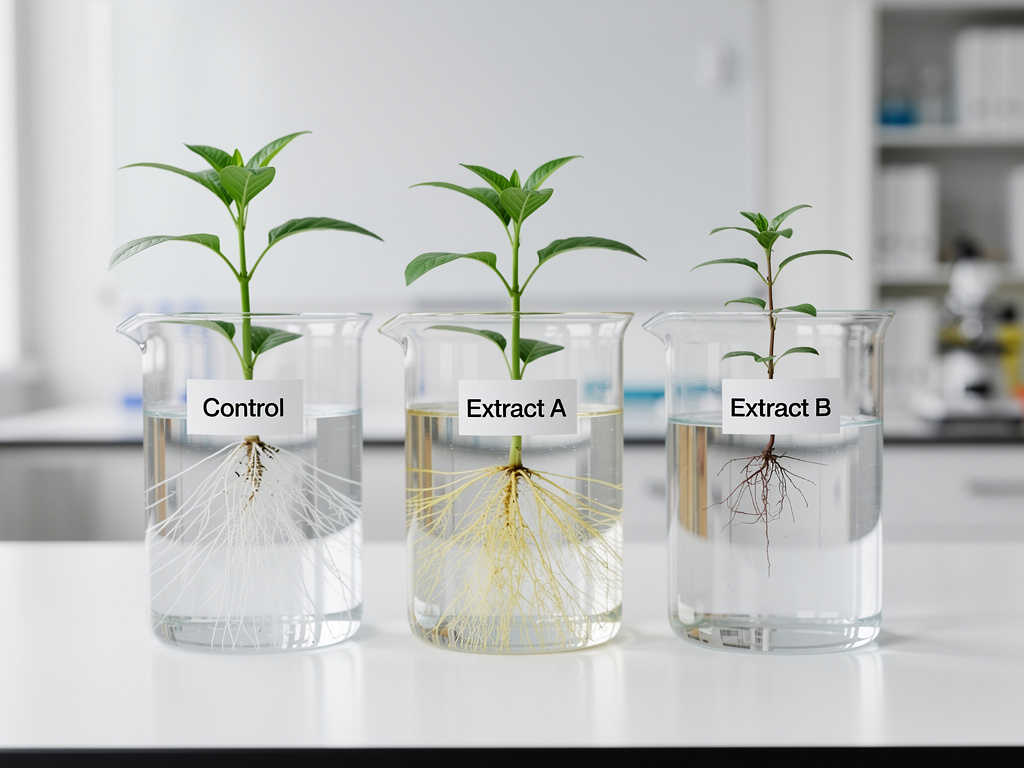
Investigate the allelopathic effects of certain plants on the growth of others. Conduct experiments to observe the relationships between different species!

10 days·high
Analyzing Local Water Quality for Contaminants
biologyhard

Analyzing Local Water Quality for Contaminants

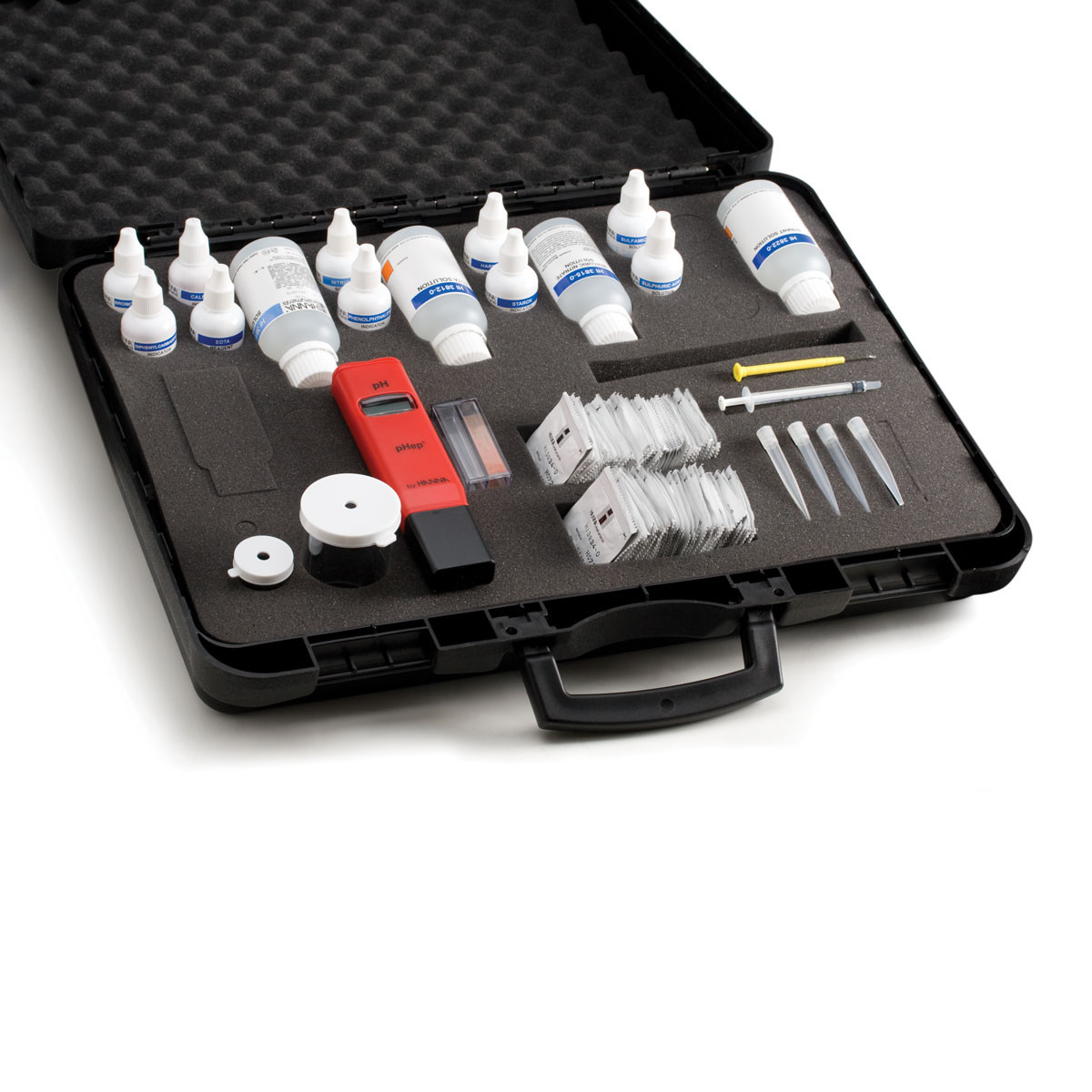
In this science fair project, you will collect water samples from local sources and test them for contaminants such as nitrates, phosphates, and pH levels. By comparing your results with local water safety standards, you will assess the quality of your local water supply and its potential impacts on health and the environment.

7 days·high
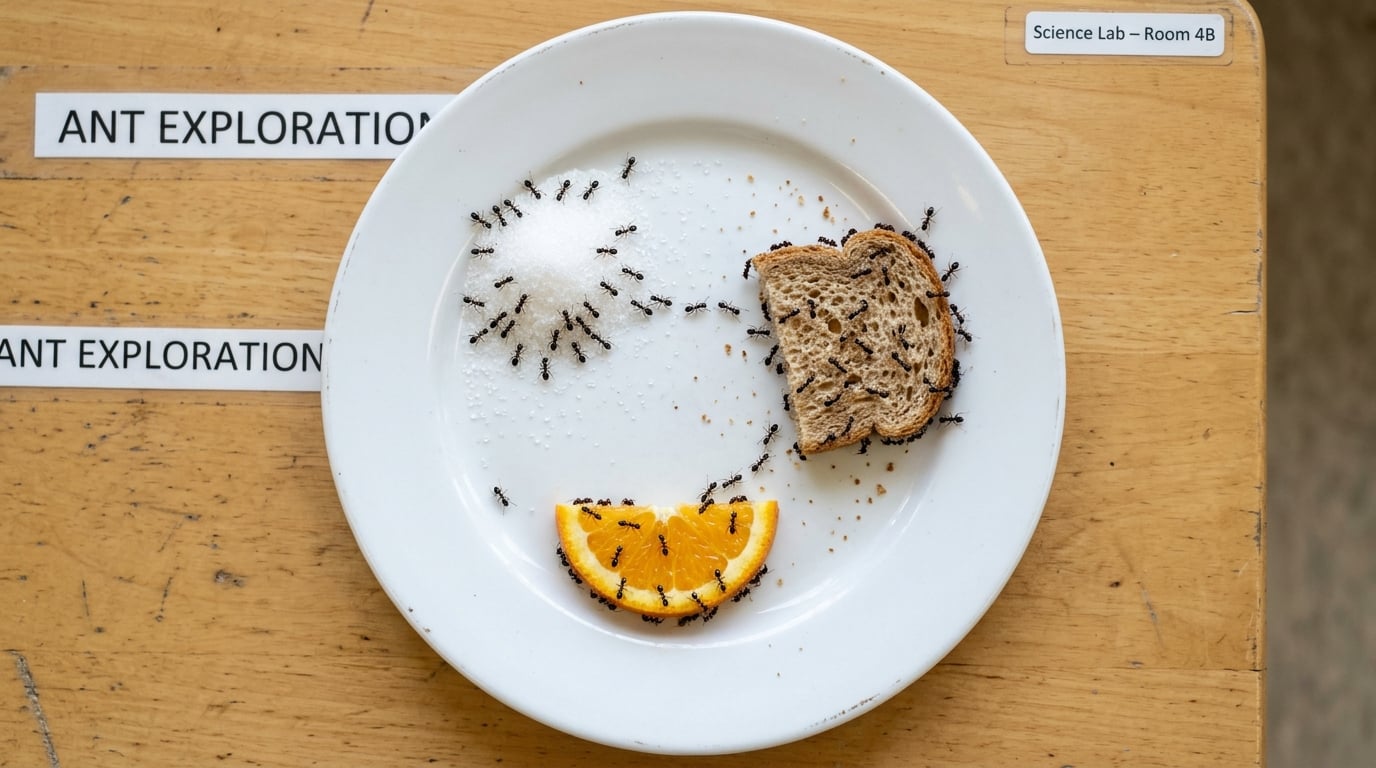
Ants on a Mission: Food Preferences in the Insect World
biologyeasy

Ants on a Mission: Food Preferences in the Insect World

Study ant behavior by observing which types of food they prefer. This project helps to understand the dietary habits of ants in a natural setting.

5 days·elementary
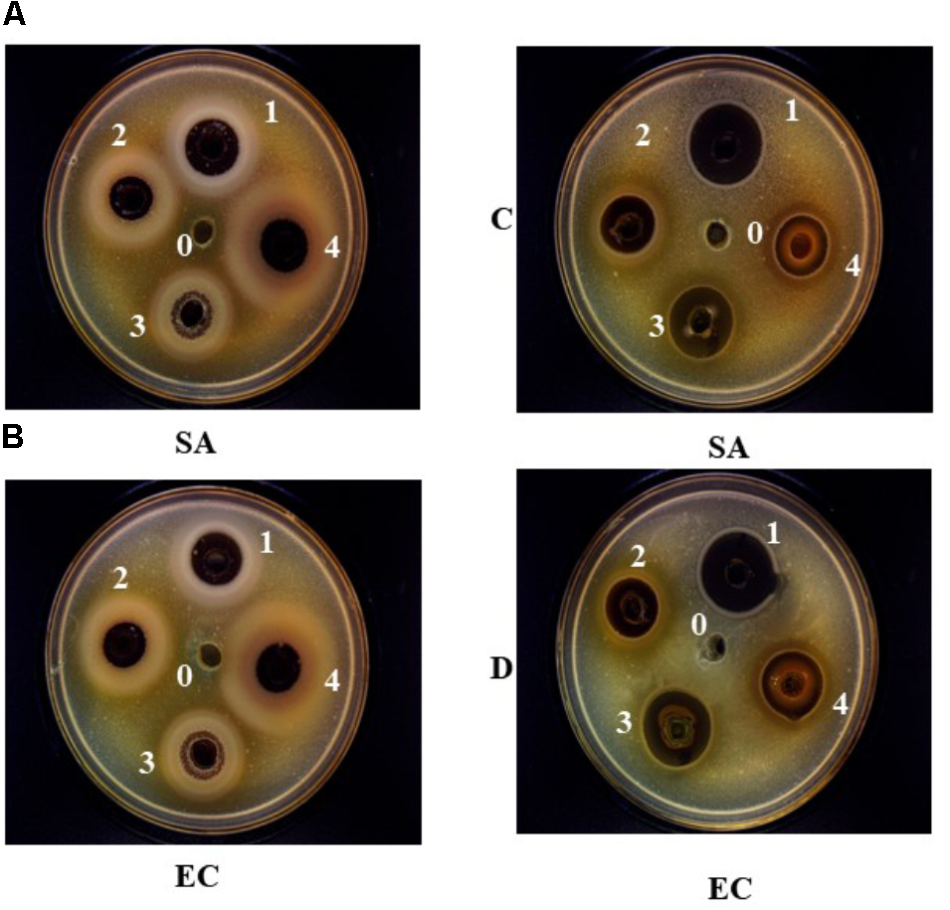
Bacterial Battle: Testing Natural Antibiotics From Household Items
biologymedium

Bacterial Battle: Testing Natural Antibiotics From Household Items

Test the effectiveness of common household items like garlic and honey as natural antibiotics against bacteria. Analyze which substance shows the best antibacterial properties.

14 days·middle
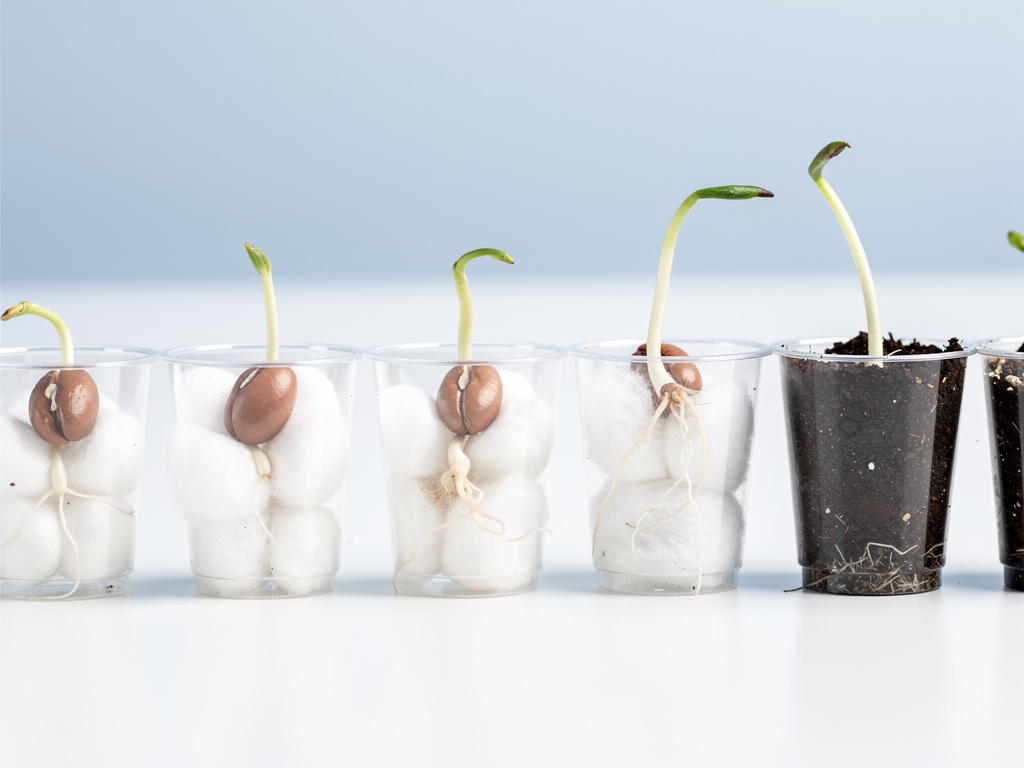
Bean Germination Experiment - How Plants Grow from Seeds Science Project
biologyeasy

Bean Germination Experiment - How Plants Grow from Seeds Science Project

Explore the fascinating process of seed germination with a hands-on bean experiment. Observe how seeds sprout and grow into healthy plants in just a few days, while learning about the needs of living organisms!

4 days·elementary
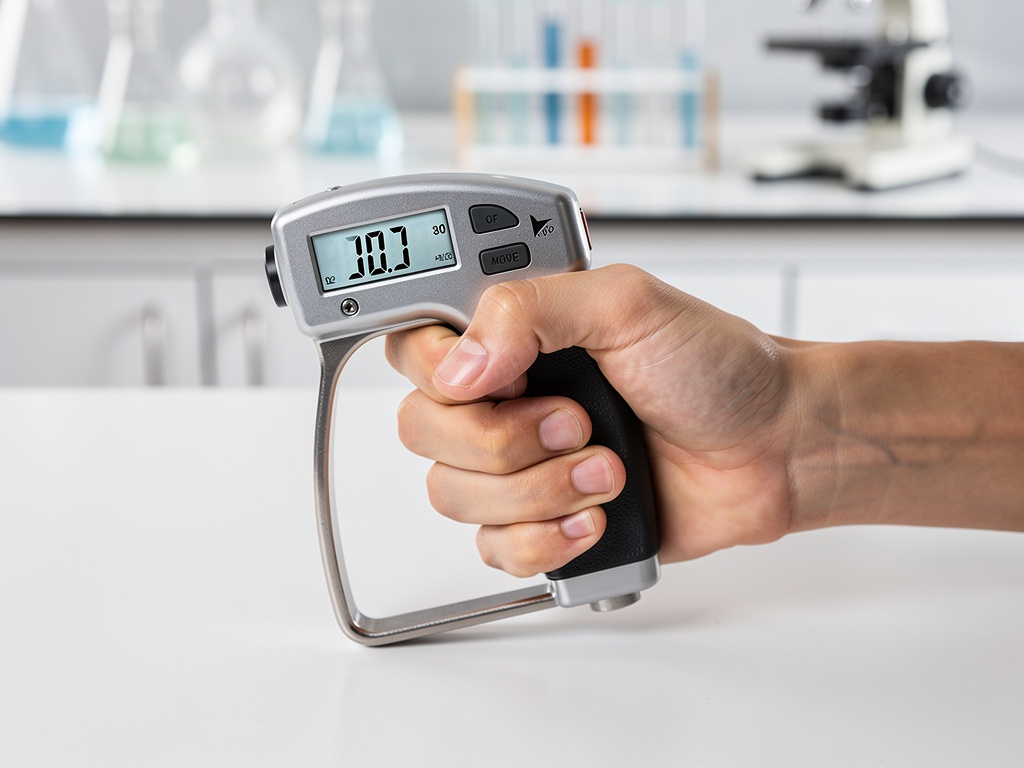
Biomechanics of the Human Hand - Grip Strength Variables Science Fair Project
biologymedium

Biomechanics of the Human Hand - Grip Strength Variables Science Fair Project

This project investigates how different factors affect grip strength in the human hand. By measuring grip strength under various conditions (like hand position and fatigue), students gain insights into the biomechanics of hand function and its applications in health and sports.

7 days·high

Like this project? Get more ideas!