Science Fair Projects
earth scienceeasy elementary 14 days

Moon Phases: Observation and Tracking Science Project

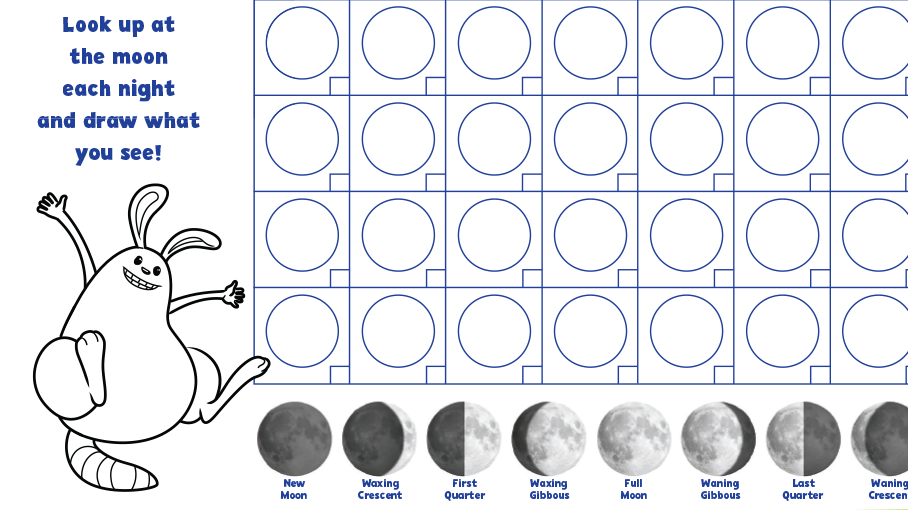
This project involves tracking the moon's phases over a month, helping students understand lunar cycles and their significance. It's a captivating way to learn about astronomy.

Moon Phases: Observation and Tracking Science Project

Hypothesis

If I observe the moon every night, then I will be able to accurately document its phases and understand its cycle.

Materials Needed

Notebook1Buy
Pencil1Buy
Calendar1Buy
Camera (optional)1Buy
Flashlight1Buy
Star chart1Buy
Tape measure1Buy
Binoculars1Buy

As an Amazon Associate, this site earns from qualifying purchases.

Step-by-Step Procedure

  1. 1

    Choose a month for observation and mark it on the calendar.

  2. 2

    Each night, go outside and observe the moon.

  3. 3

    Record the shape of the moon in your notebook.

  4. 4

    Use the star chart to learn about the moon's position in the sky.

  5. 5

    Take pictures of the moon if you can.

  6. 6

    Discuss the significance of changes in the moon phases.

  7. 7

    Create a visual representation of the moon phases.

  8. 8

    Share your findings at the science fair.

Expected Results

You will develop a better understanding of the moon's phases and cycles, which can enhance your appreciation for our natural satellite.

Variables

Independent Variable

Time of observation each night

Dependent Variable

Details on the moon's appearance

Controlled Variables

Location of observation, Weather conditions, Duration of observation

Safety Notes

Make sure to avoid looking directly at bright lights while trying to observe the moon. Use binoculars carefully.

Presentation Tips

  • Include visuals of your moon observations.

  • Explain the science behind the phases of the moon.

  • Create a timeline of the moon phases.

  • Engage your audience by discussing how the moon affects tides.

Frequently Asked Questions

Like this project? Get more ideas!