Science Fair Projects
physicshard high 7 days

Measuring the Specific Heat Capacity of Metals

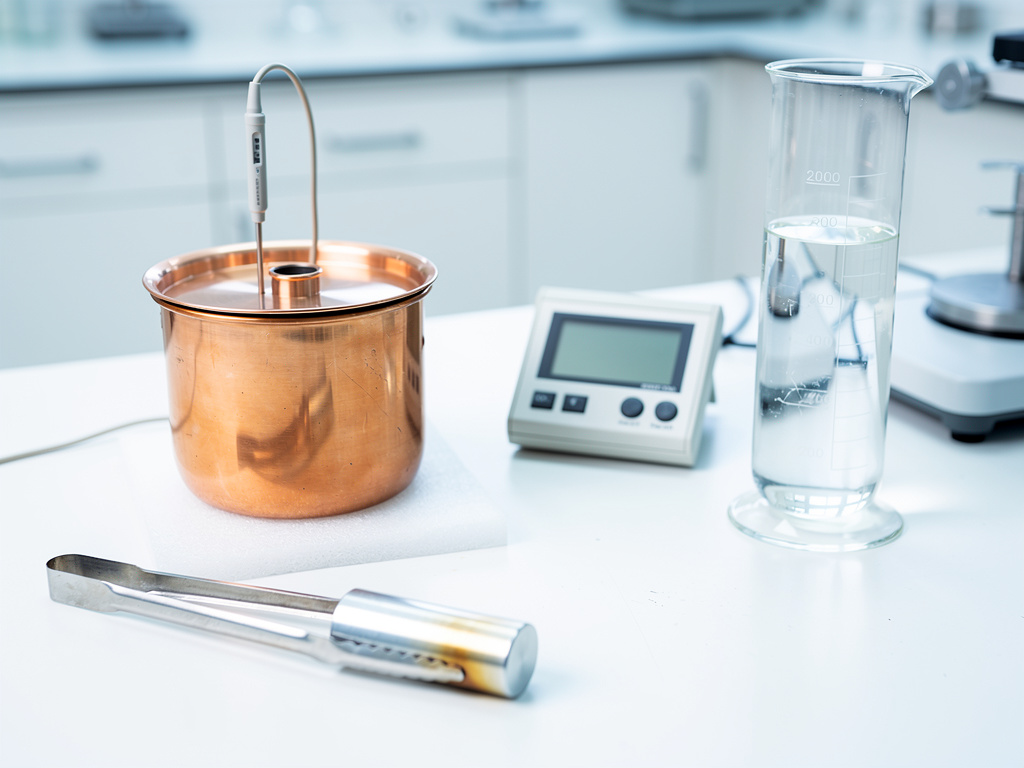
Use calorimetry to measure the specific heat capacities of different metals by heating them and recording temperature changes. Compare your results with standard values.

Measuring the Specific Heat Capacity of Metals

Hypothesis

If metal samples are heated and their temperature change is measured, then their specific heat capacities can be calculated and compared to known values.

Materials Needed

Metal samples (e.g., aluminum, copper, iron) — 3-5 piecesBuy
Calorimeter — 1Buy
Thermometer — 1Buy
Balance — 1Buy
Boiling water — 1 literBuy
Stove or hot plate — 1Buy
Insulated container — 1Buy
Tongs — 1Buy
Stopwatch — 1Buy

As an Amazon Associate, this site earns from qualifying purchases.

Step-by-Step Procedure

  1. 1

    Weigh each metal sample using the balance.

  2. 2

    Heat water to boiling using a stove or hot plate.

  3. 3

    Place a metal sample in the boiling water for a set period.

  4. 4

    Measure the initial temperature of the water in the calorimeter.

  5. 5

    Quickly transfer the heated metal to the calorimeter using tongs.

  6. 6

    Record the highest temperature reached by the water in the calorimeter.

  7. 7

    Calculate the specific heat capacity using the formula and recorded data.

  8. 8

    Repeat the process for each metal sample.

  9. 9

    Compare calculated specific heat capacities with known values.

  10. 10

    Analyze discrepancies and possible sources of error.

  11. 11

    Document findings and conclusions in a detailed report.

  12. 12

    Prepare a presentation of your methodology and results.

Expected Results

The calculated specific heat capacities should be close to known values for each metal, with possible minor discrepancies due to experimental error.

Variables

Independent Variable

Type of metal sample

Dependent Variable

Specific heat capacity

Controlled Variables

Amount of water, Heating time, Initial temperature

Safety Notes

Exercise caution when handling hot water and metal samples to avoid burns.

Presentation Tips

  • Display graphs comparing calculated and accepted values.

  • Discuss potential sources of error and their impact.

  • Explain the significance of specific heat capacity in material science.

Frequently Asked Questions

What is specific heat capacity?

It's the amount of heat required to raise the temperature of 1 gram of a substance by 1°C.

Why use a calorimeter?

A calorimeter is used to measure the heat exchange between the metal and water accurately.

How can errors be minimized?

Ensure consistent starting temperatures and minimize heat loss during transfer.

Related Projects

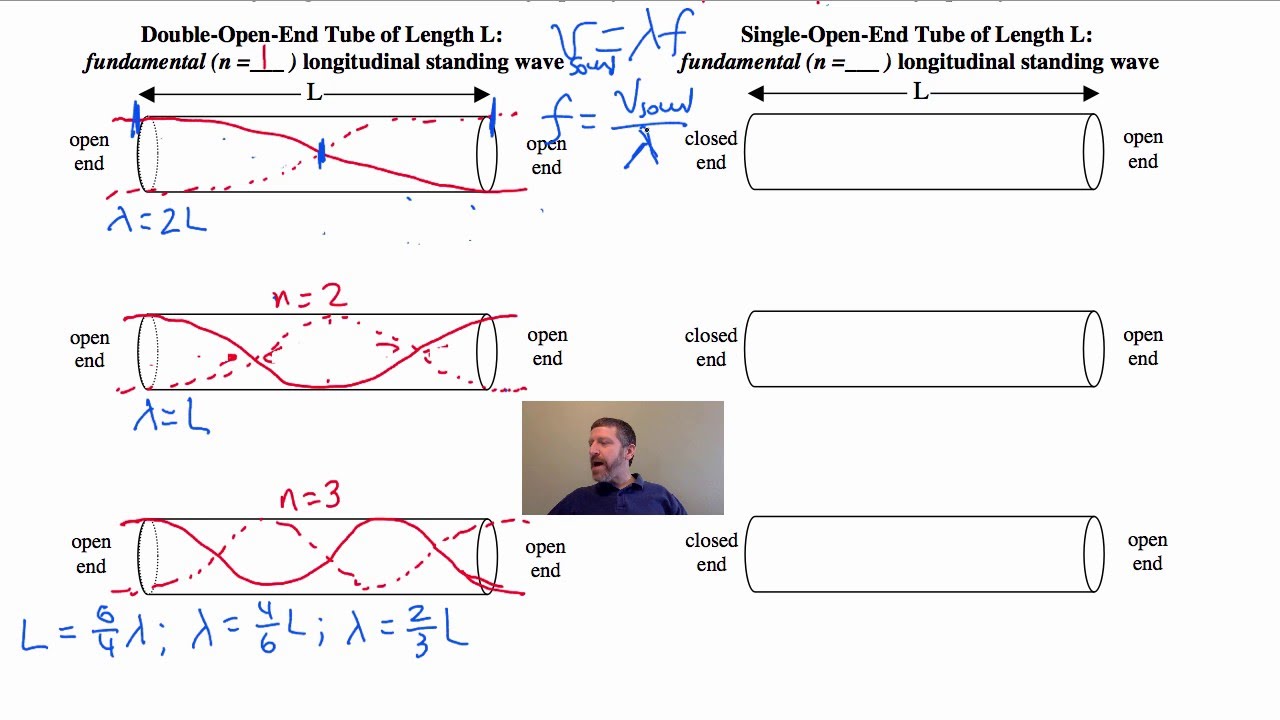
Acoustic Resonance Experiment: Standing Waves in Tubes Science Fair Project
physicsmedium

Acoustic Resonance Experiment: Standing Waves in Tubes Science Fair Project

This experiment allows you to explore sound waves and resonance using tubes. By creating standing waves, you'll visualize how sound behaves in different environments. Perfect for middle school science fairs!

7 days·middle
Analyzing Quantum Tunneling in Semiconductor Devices
physicshard

Analyzing Quantum Tunneling in Semiconductor Devices

This project investigates quantum tunneling phenomena within semiconductor devices. Students will measure how electrons traverse energy barriers and analyze how this impacts device efficiency.

25 days·high
Archimedes' Principle: Testing Buoyancy with Different Objects
physicsmedium

Archimedes' Principle: Testing Buoyancy with Different Objects

This project allows students to test various objects for buoyancy, demonstrating Archimedes' principle. It engages students in hands-on learning about density and displacement.

7 days·middle
Astronomical Observation - Tracking Planetary Motion
physicsmedium

Astronomical Observation - Tracking Planetary Motion

In this project, you will observe and record the positions of planets in the night sky over a month. By using a telescope or binoculars, you will track their movements, document their position on specific dates, and analyze their orbits to understand celestial mechanics. This project fosters an appreciation of astronomy and the dynamics of our solar system.

14 days·high
Atmospheric Pressure and Weather Patterns Analysis
physicsmedium

Atmospheric Pressure and Weather Patterns Analysis

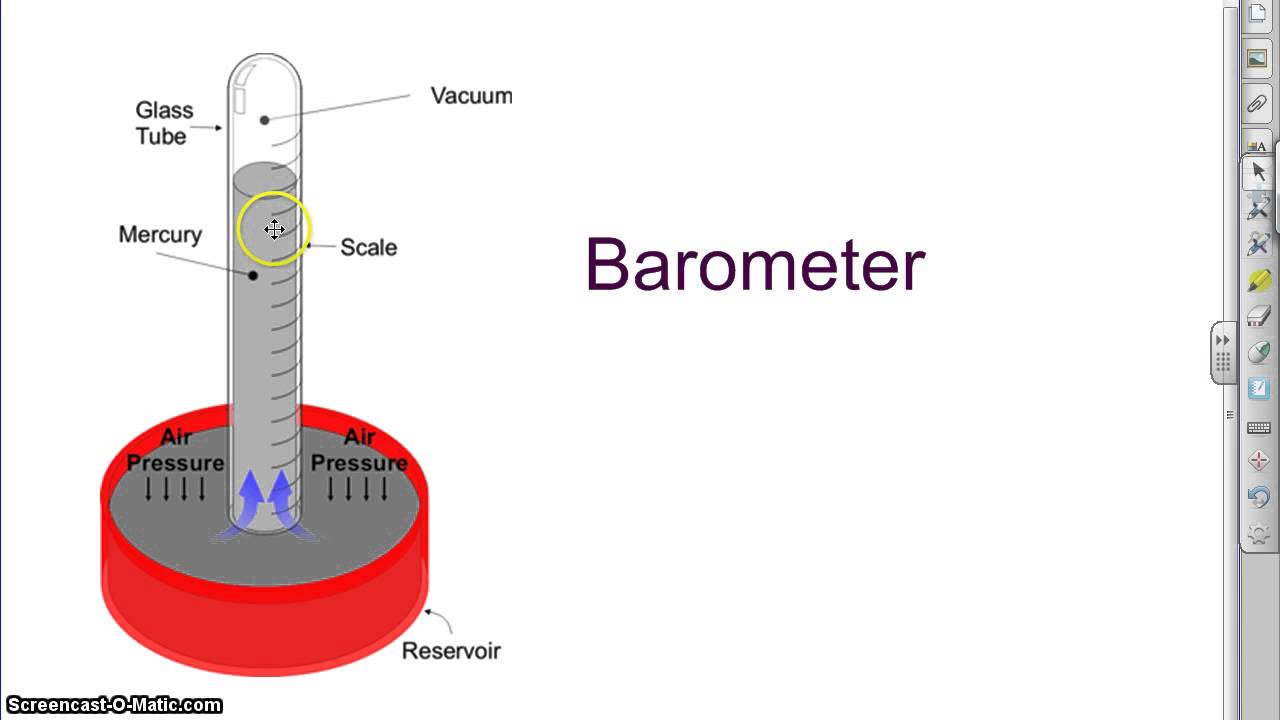
This project investigates how changes in atmospheric pressure correlate with weather conditions. By using a barometer to measure pressure and recording local weather patterns over a week, you will analyze the data to determine relationships and predict weather changes. This project emphasizes the importance of atmospheric science in understanding our climate.

7 days·middle
Balancing Act: Finding the Center of Gravity of Irregular Shapes
physicseasy

Balancing Act: Finding the Center of Gravity of Irregular Shapes

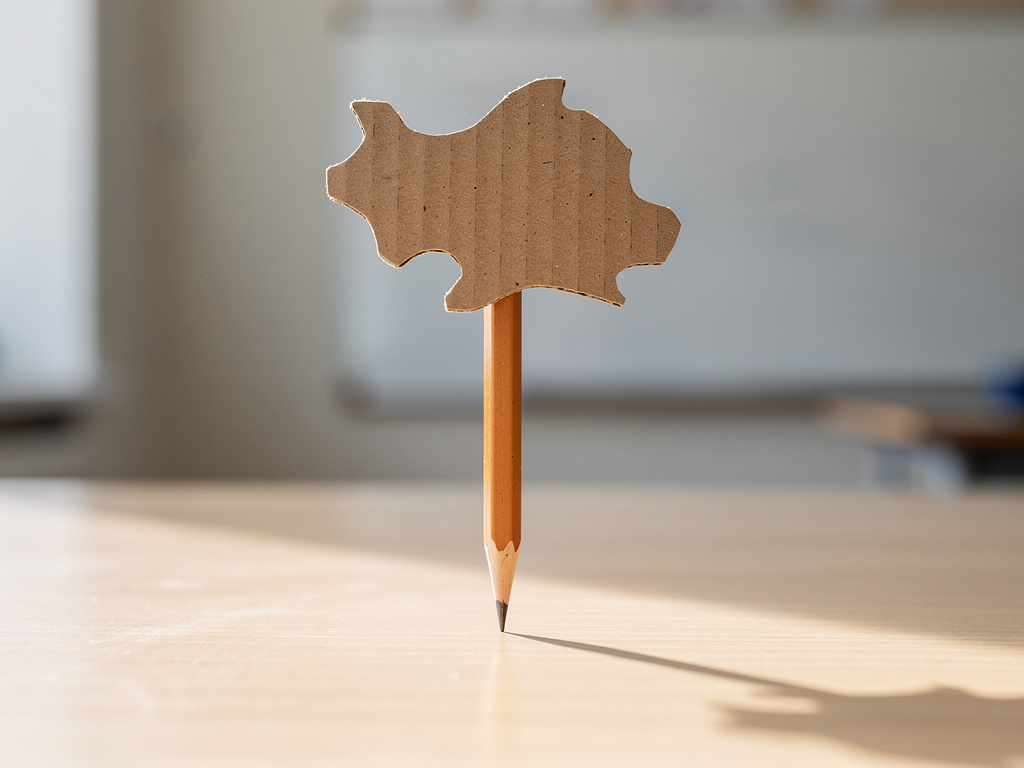
Discover how to find the center of gravity by balancing cardboard cutouts of irregular shapes on a pencil point. This project explores how different shapes distribute weight and balance.

2 days·elementary

Like this project? Get more ideas!