Analyzing the Role of Vegetation in Urban Heat Islands
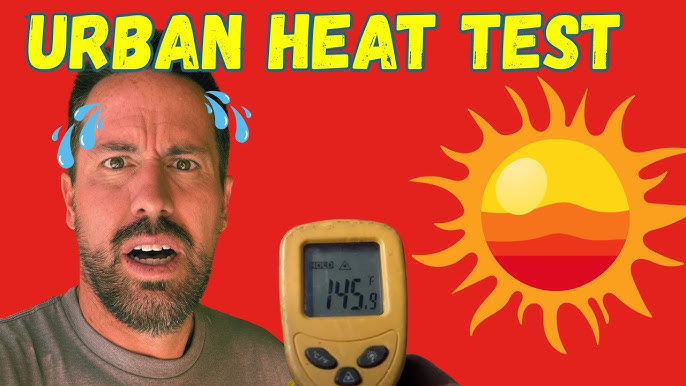
This project investigates how vegetation influences temperature in urban heat islands. By comparing areas with varying plant cover, students can assess the cooling effects of vegetation.
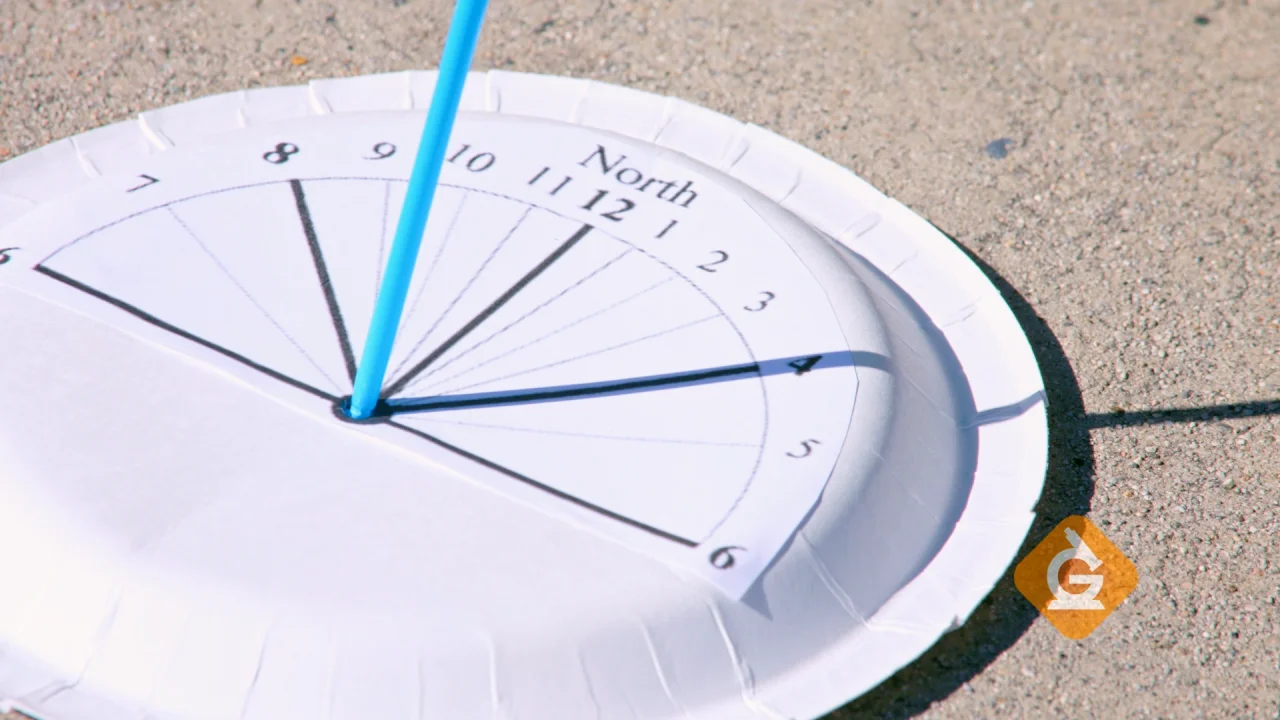
This project involves making a simple sundial and using it to tell time based on the position of the sun's shadow. It's a fun way to learn about the sun and timekeeping!

If the sundial is placed in sunlight, then the shadow will indicate the time of day based on the sun's position.
As an Amazon Associate, this site earns from qualifying purchases.
Cut the cardboard into a circular shape.
Mark the center of the circle and insert the straw vertically.
Use a compass to align the sundial with true north.
Mark the hours on the cardboard using the shadow cast by the straw.
Observe the sundial at different times of the day.
Record the time indicated by the sundial.
Compare the sundial time with a regular clock.
Discuss how sundials work and their historical significance.
The sundial will show the correct time based on the position of the sun and the shadow cast by the straw, demonstrating the relationship between the sun and timekeeping.
Position of the sundial
Time indicated by the sundial
Time of day, Weather conditions, Length of straw
Be careful with scissors when cutting materials.
Create a visual display showing the sundial in action.
Explain the science behind sundials and how they were used in history.
Engage the audience with a live demonstration.
Provide handouts with fun facts about timekeeping.
It works by casting a shadow based on the sun's position, which indicates the time.
Cloudy weather will make it difficult to read the sundial.
No, sundials require sunlight to function.