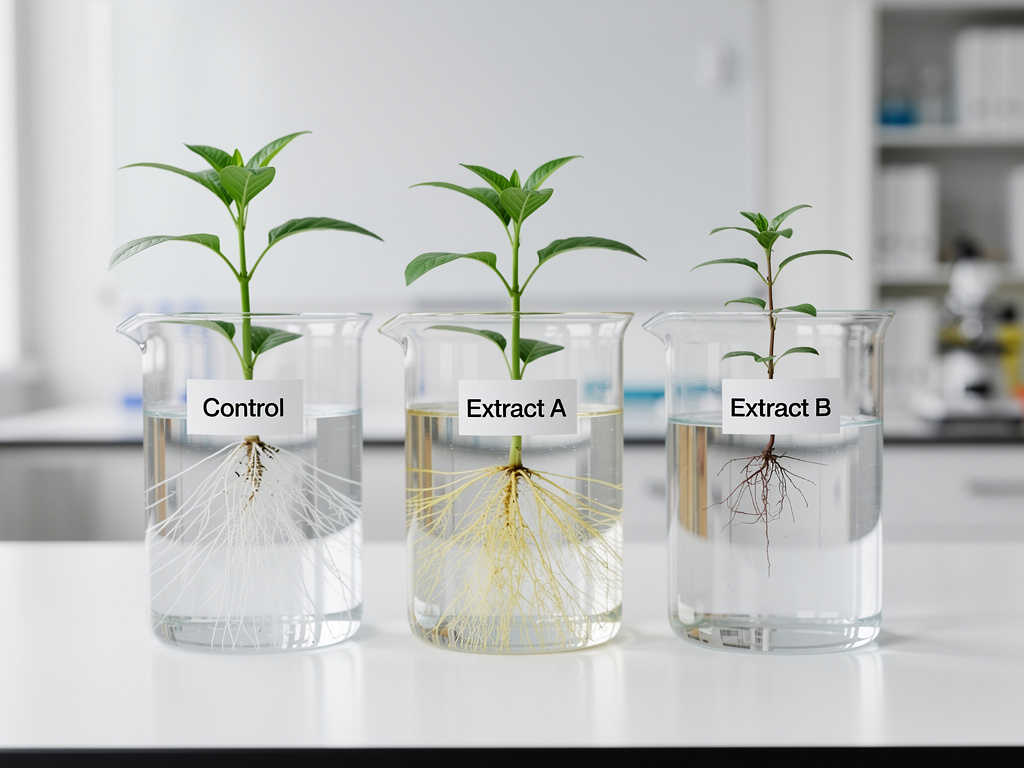
Allelopathy: Do Some Plants Inhibit Growth of Others Science Project
Investigate the allelopathic effects of certain plants on the growth of others. Conduct experiments to observe the relationships between different species!
This experiment examines how various colors of light affect the direction in which plants grow. By using colored filters over light sources, students will observe phototropism in plants. The results will help explain the relationship between light and plant behavior.

If plants are exposed to different colors of light, then they will grow towards the color that promotes the most photosynthesis, likely blue or red.
As an Amazon Associate, this site earns from qualifying purchases.
Select three identical potted plants.
Label each pot according to the color of light it will receive.
Cover the lamp with red, blue, and green cellophane, securing it with tape.
Set up the lamps so they shine on each plant equally.
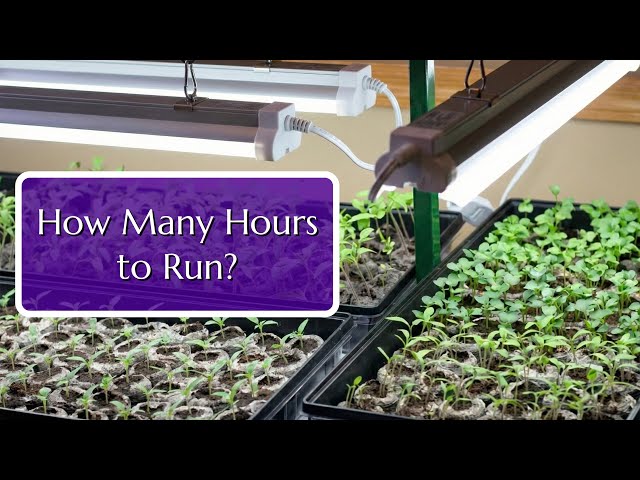
Turn on the lamps and leave them on for 12 hours daily.
Measure the angle of plant growth towards the light daily using a ruler.
Record the growth direction and height of each plant.
Continue for one week, making daily observations.
Analyze the data collected to determine the effect of light color on growth direction.
Prepare a report summarizing your findings.
Plants exposed to blue light are expected to grow more towards the light source than those under red or green light, demonstrating phototropism.
Color of light
Direction and height of plant growth
Type of plant, Amount of water, Light duration
Be cautious with electrical equipment; ensure cords are not damaged.
Use diagrams to illustrate plant growth direction.
Include a video of your plant growth progress.
Discuss the importance of light in photosynthesis.
Present data clearly with charts or graphs.
Engage the audience with questions about their own plant experiences.
Use fast-growing plants like beans or radishes.
Keep the light on for 12 hours daily.
Yes, but limit to colors that are distinct, like yellow or purple.