Analyzing the Role of Vegetation in Urban Heat Islands
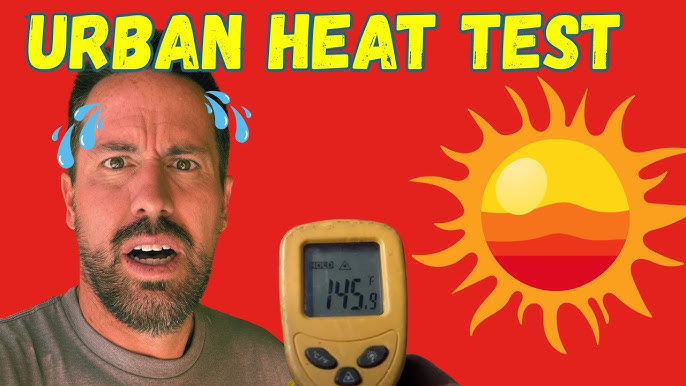
This project investigates how vegetation influences temperature in urban heat islands. By comparing areas with varying plant cover, students can assess the cooling effects of vegetation.
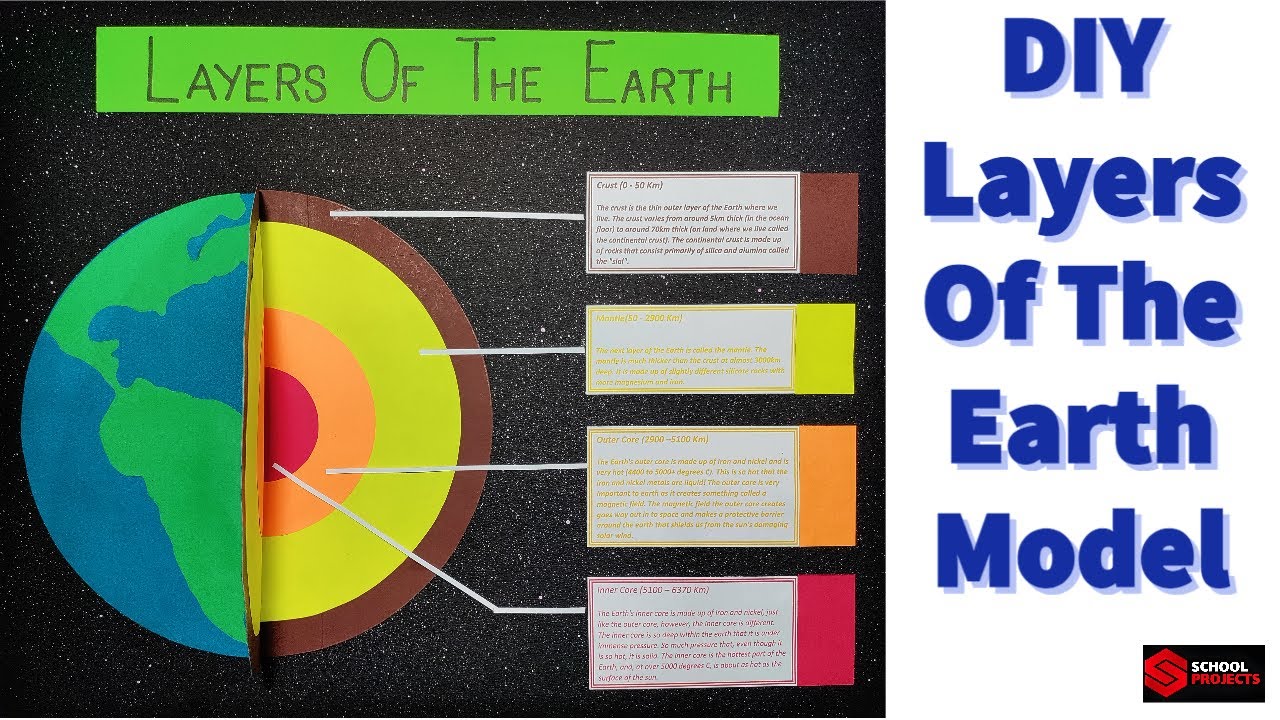
This project involves creating a detailed model of Earth's layers to illustrate how our planet is structured. Students will learn about the crust, mantle, outer core, and inner core, gaining insight into geology.

By creating a model of the Earth's layers, I will be able to visually represent their properties and understand how they interact with each other.
As an Amazon Associate, this site earns from qualifying purchases.
Research the layers of the Earth and their characteristics.
Cut Styrofoam balls to represent each layer: crust, mantle, outer core, and inner core.
Paint each layer with different colors to distinguish them.
Arrange the layers from the outermost to innermost on the cardboard base.
Glue each layer in place.
Label each layer with markers.
Prepare an explanation of each layer's characteristics.
Display your model at the science fair.
Students will have created a colorful and informative model that accurately represents the Earth's layers, enhancing their understanding of geology.
Materials used for the model
Clarity of the model's representation
Size of the Styrofoam balls, Colors used, Labels provided
Be careful while using the knife to cut Styrofoam; ensure an adult supervises. Avoid ingesting paint or glue.
Use a visual aid to explain each layer.
Engage the audience with questions about Earth's structure.
Provide fun facts about each layer.
Discuss how earthquakes and volcanoes relate to these layers.
The main layers are the crust, mantle, outer core, and inner core.
Yes, you can use clay or other modeling materials.
They each have different properties and help support life on the surface.