Science Fair Projects
earth sciencehard high 14 days

Groundwater Contamination Flow Modeling Science Project

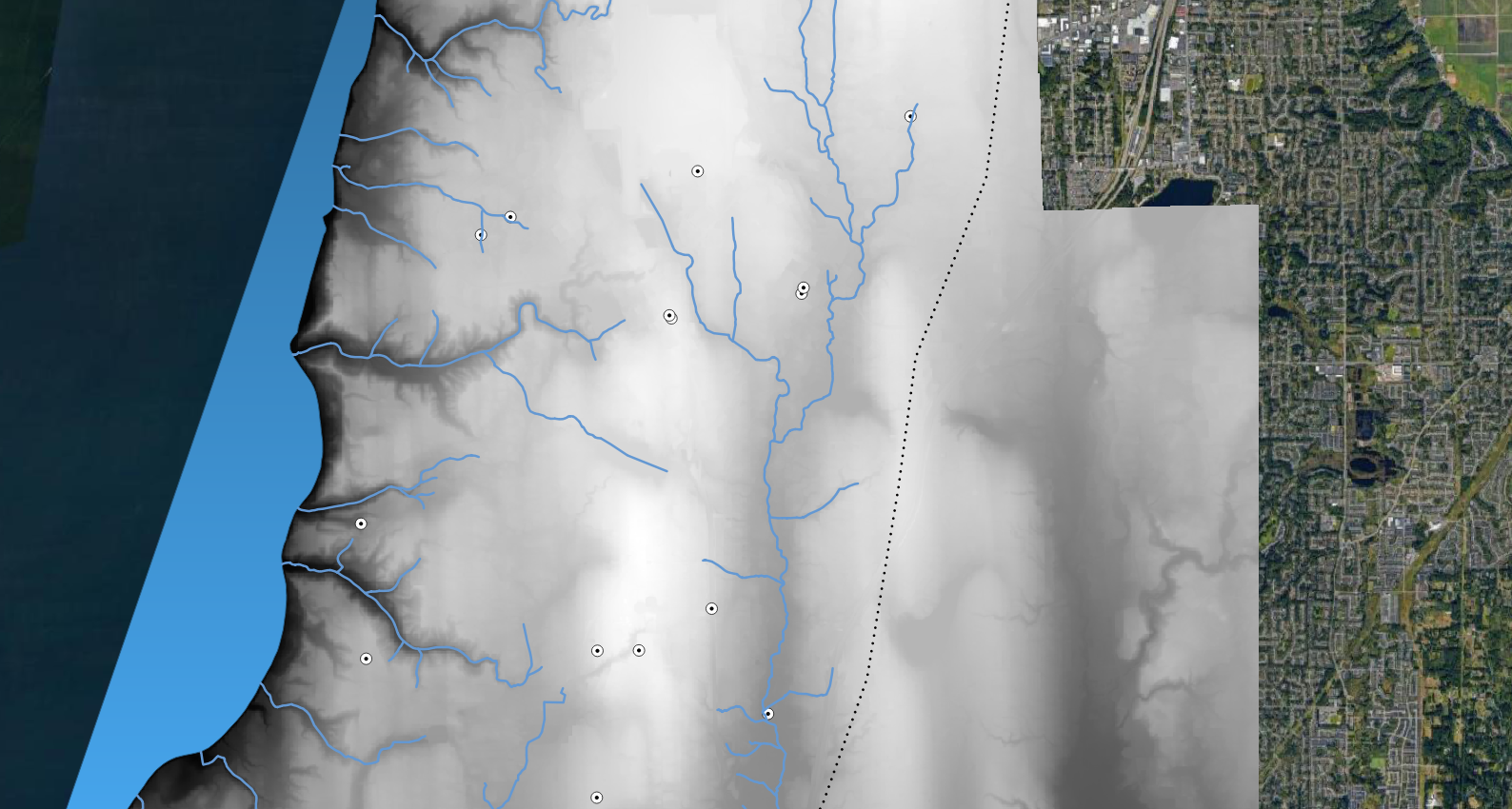
In this project, students will model groundwater contamination to understand how pollutants migrate through soil and rock layers. Through this experiment, they will learn about groundwater dynamics and the importance of environmental protection.

Groundwater Contamination Flow Modeling Science Project

Hypothesis

If groundwater flow is modeled with contaminants introduced, then the movement of contaminants will vary based on soil composition and saturation levels.

Materials Needed

clear plastic container1Buy
sand2 kgBuy
gravel2 kgBuy
water2 LBuy
food coloring (for contamination simulation)1 bottleBuy
measuring cups3Buy
stopwatch1Buy
notebook for data recording1Buy

As an Amazon Associate, this site earns from qualifying purchases.

Step-by-Step Procedure

  1. 1

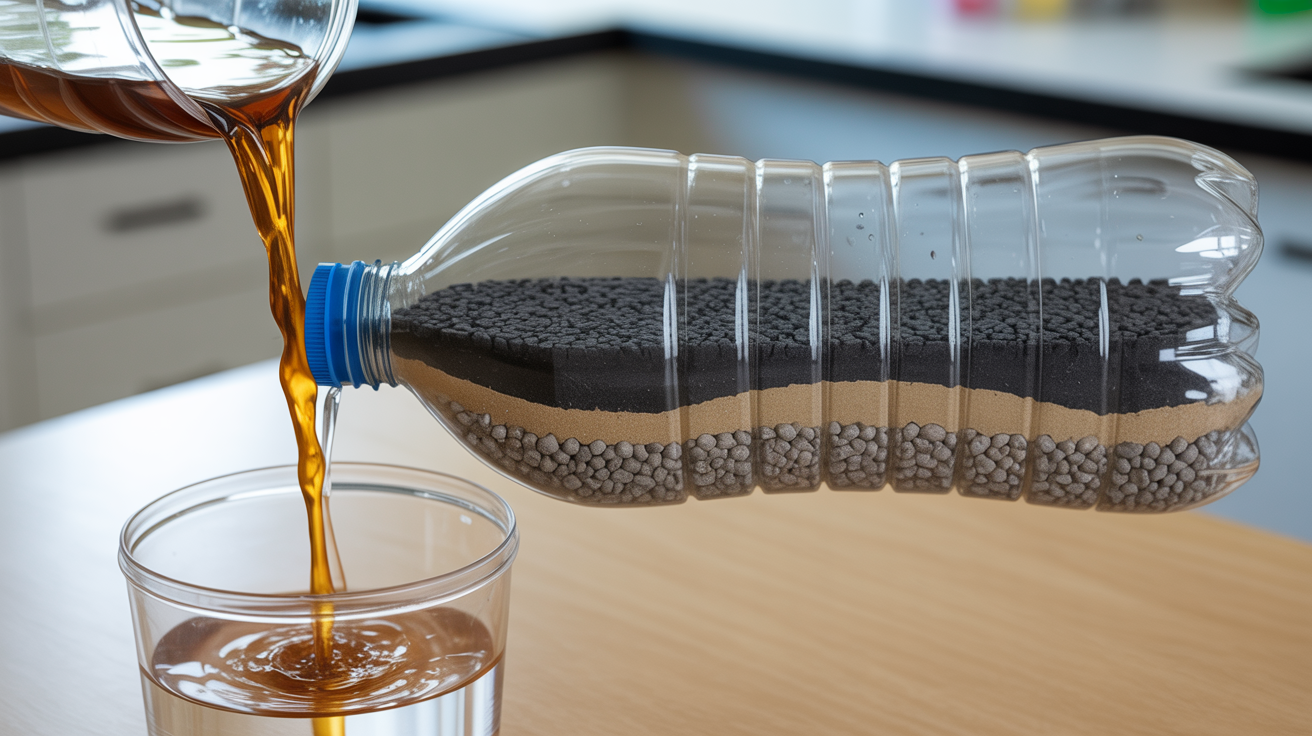
    Layer sand and gravel in the plastic container to create a soil profile.

  2. 2

    Slowly pour water into the container to saturate the soil.

  3. 3

    Introduce food coloring to simulate contamination and begin timing.

  4. 4

    Observe and record how the colored water moves through the soil layers.

  5. 5

    Note the time taken for the color to reach different depths.

  6. 6

    Repeat with different soil compositions to compare results.

  7. 7

    Analyze how various factors affect the flow of contaminants.

  8. 8

    Prepare a presentation discussing your findings on groundwater protection.

Expected Results

The experiment should demonstrate how contaminants travel through different soil types. Students will learn about the importance of clean groundwater and how pollutants can spread.

Variables

Independent Variable

Soil composition used

Dependent Variable

Rate of contamination flow

Controlled Variables

Volume of water used, Amount of contaminant added, Container size

Safety Notes

Ensure that food coloring is handled carefully to avoid staining surfaces.

Presentation Tips

  • Create diagrams to illustrate groundwater flow patterns.

  • Include photos or videos of the experiment.

  • Discuss real-world implications of groundwater contamination.

  • Engage the audience with discussions on water conservation.

  • Provide handouts summarizing findings and suggestions.

Frequently Asked Questions

Like this project? Get more ideas!