Allelopathy: Do Some Plants Inhibit Growth of Others Science Project
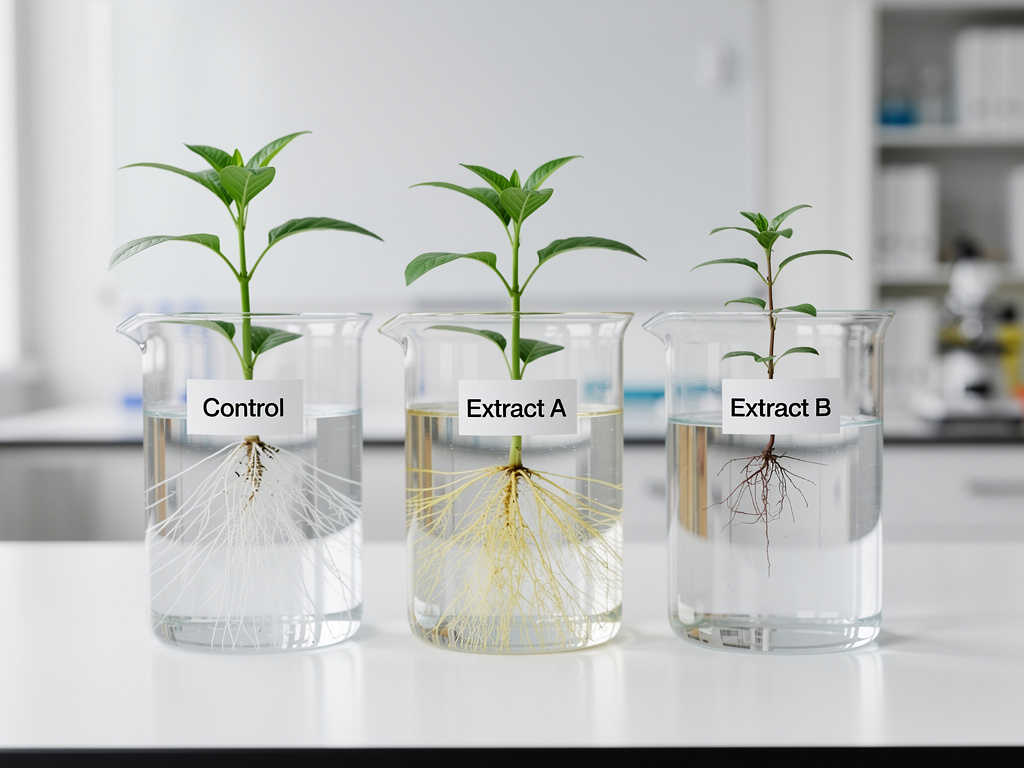
Investigate the allelopathic effects of certain plants on the growth of others. Conduct experiments to observe the relationships between different species!
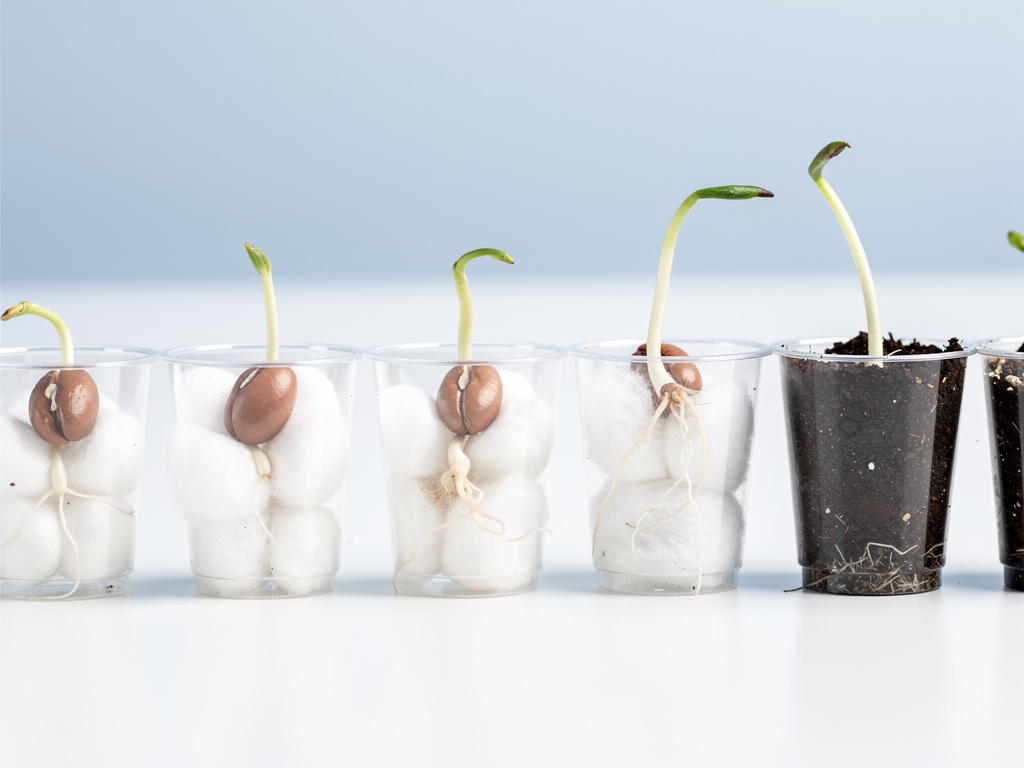
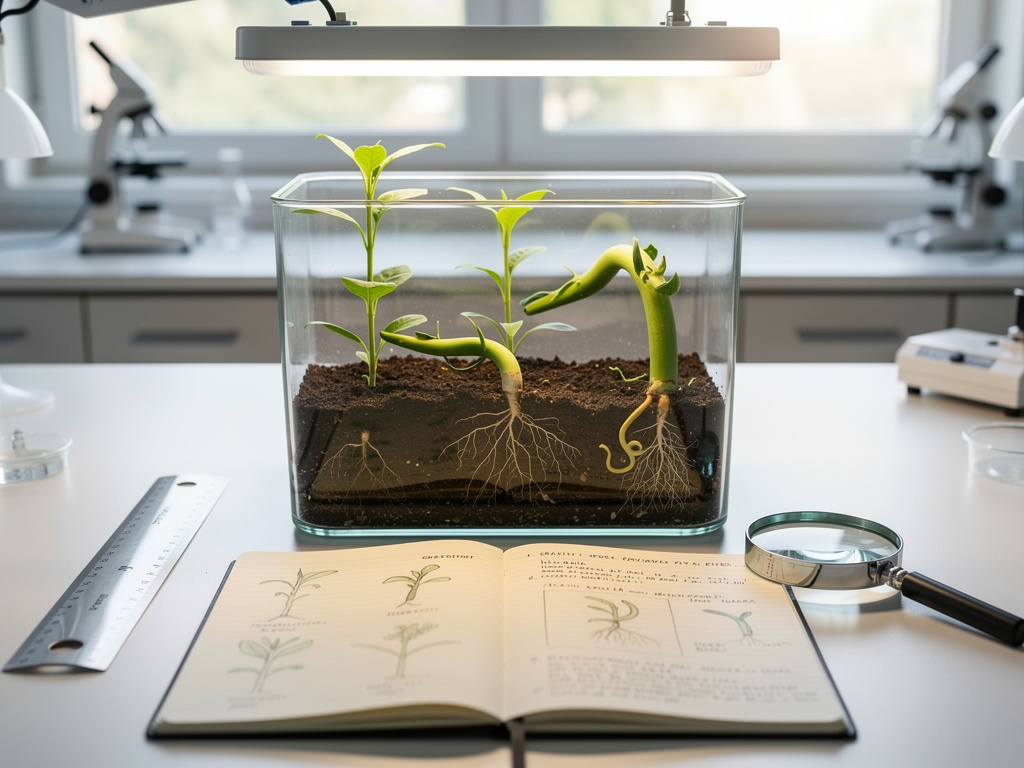
This experiment focuses on how gravity affects the direction of plant root growth. By growing plants in different orientations, students will observe and measure how roots respond to gravitational pull, providing insight into tropism.

If plants are grown in an inverted position, then their roots will still grow downward, demonstrating that gravity influences root direction.
As an Amazon Associate, this site earns from qualifying purchases.
Fill each container with the same amount of potting soil.
Plant seeds in each container according to their orientation (normal and inverted).
Label the containers appropriately.
Place both containers in a location with consistent light.
Water the plants regularly without overwatering.
Observe and record the direction of root growth over time.
Measure the lengths of roots after 1 week.
Analyze the data to see if roots grew downward regardless of orientation.
Document findings in your notebook.
Prepare a conclusion based on the observations.
Roots are expected to grow downwards in both orientations, indicating that gravity significantly influences root growth direction. This supports the hypothesis regarding plant tropism.
orientation of the plant containers
direction and length of root growth
type of seed, amount of soil, light exposure
Handle soil and seeds with clean hands. Ensure no sharp tools are used during planting.
Create a visual display of root growth photos.
Use charts to showcase measurement results.
Explain the concept of tropism clearly.
Discuss the implications of your findings in agriculture.
Be prepared to demonstrate with live plants during presentation.
Check seed viability or environmental conditions like moisture and temperature.
Yes, but ensure they have similar growing conditions.
Place both containers in the same light source without interference.