Analyzing the Role of Vegetation in Urban Heat Islands
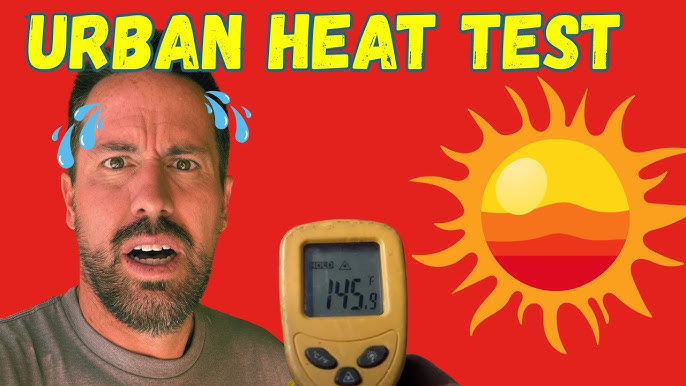
This project investigates how vegetation influences temperature in urban heat islands. By comparing areas with varying plant cover, students can assess the cooling effects of vegetation.
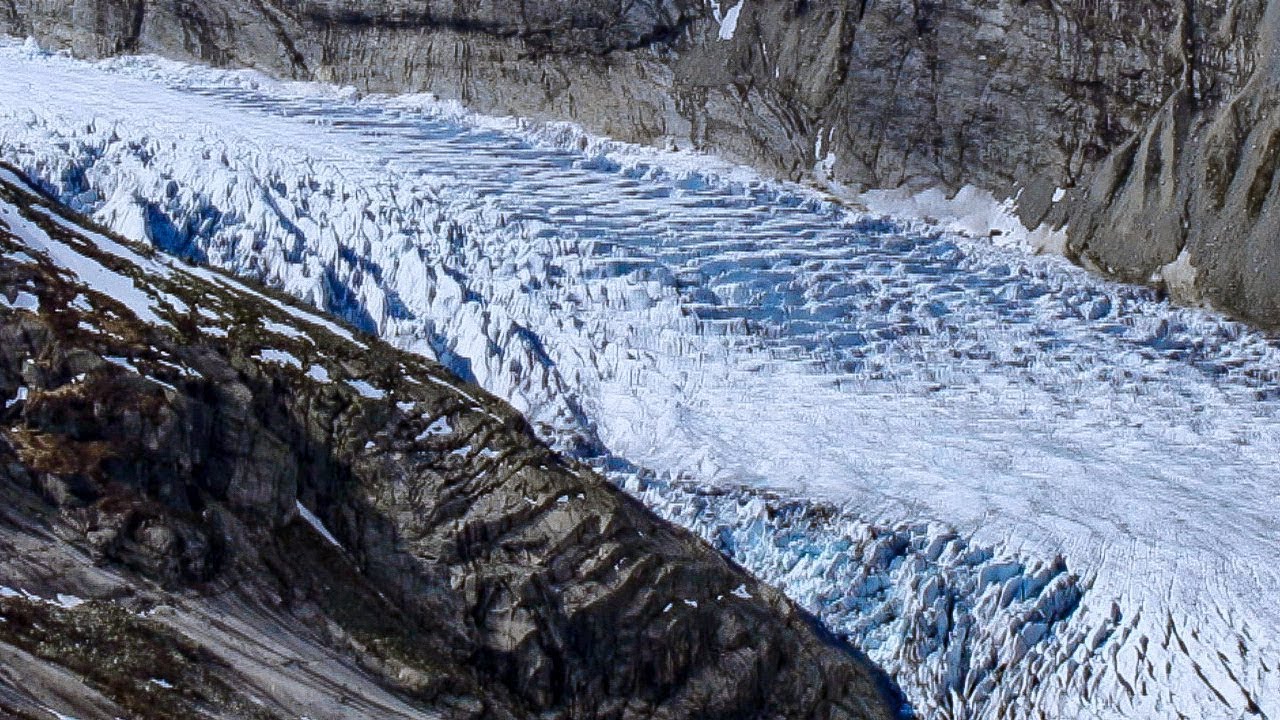
In this experiment, you'll simulate glacier movement using basic materials to understand how glaciers flow and reshape the landscape over time.

If I simulate a glacier using a model, then the movement will demonstrate how glaciers shape the terrain over time.
As an Amazon Associate, this site earns from qualifying purchases.
Fill the baking tray with sand to create a base.
Add a layer of ice cubes on top of the sand.
Pour water over the ice to simulate melting.
Cover the tray with plastic wrap to maintain temperature.
Observe the movement of the ice over time.
Use a stopwatch to time how long it takes for the ice to move.
Record any changes to the sand landscape.
Analyze how the ice affected the terrain.
The ice cubes should move and reshape the sand, demonstrating how glaciers can carve out the landscape as they flow and melt.
Amount of ice and water used
Movement of ice and changes in terrain
Type of sand, Size of the tray, Environment temperature
Handle ice carefully to avoid slips, and ensure the experiment is conducted on a stable surface.
Use a visual diagram to show glacier movement.
Create a video of the simulation process.
Discuss the real-world implications of glacier movement.
Engage the audience with hands-on demonstrations.
Glaciers can move anywhere from a few inches to several feet per day.
Factors include temperature, slope, and ice thickness.
While simplified, it provides a basic understanding of glacier dynamics.