Analyzing the Role of Vegetation in Urban Heat Islands
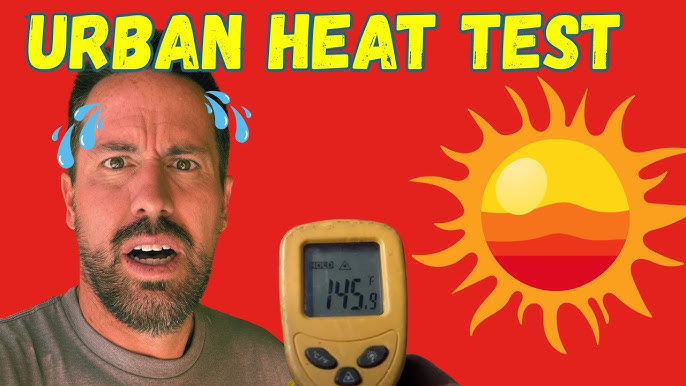
This project investigates how vegetation influences temperature in urban heat islands. By comparing areas with varying plant cover, students can assess the cooling effects of vegetation.
In this project, you'll build a physical model to simulate river meandering using a tray of sand and water. By manipulating the flow of water, you can observe how rivers erode banks and deposit sediment, changing their course over time. This hands-on project illustrates important concepts in geomorphology and hydrology.

If we simulate a river with flowing water, then we will observe how erosion and deposition create meanders over time.
As an Amazon Associate, this site earns from qualifying purchases.
Fill the tray with sand to create a riverbed.
Shape the sand into a gentle curve to start your river.
Slowly pour water at the top of the riverbed.
Observe the water flow and its impact on the sand banks.
Record any changes in the river shape over time.
Experiment by adding more water or changing the slope.
Discuss the concepts of erosion and deposition observed.
Create a video or time-lapse of your experiment.
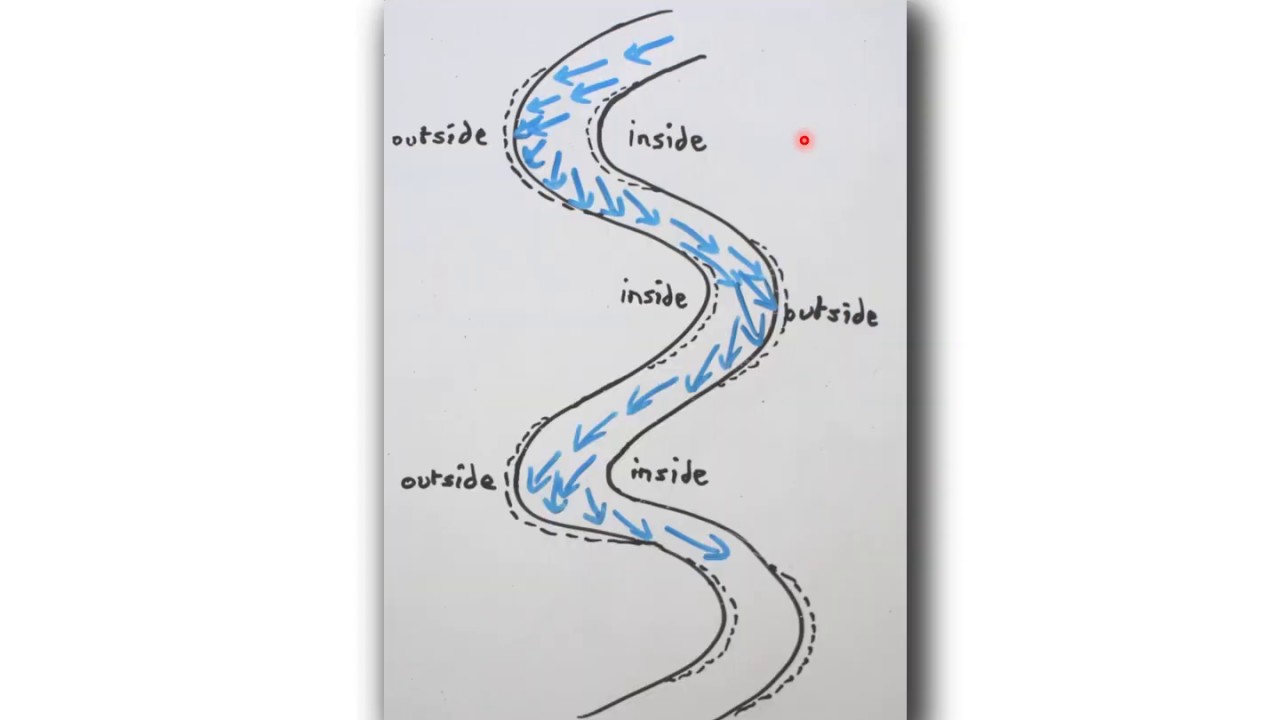
You will see the formation of meanders as water erodes the outer bank and deposits sediment on the inner bank, illustrating river dynamics.
amount of water flow
shape and path of river
size of container, sand type, water temperature
Keep the work area clean and be careful not to spill water on electronics or other surfaces.
Use videos to show the process of meandering.
Create diagrams illustrating erosion and deposition.
Discuss real-world examples of meandering rivers.
Prepare a poster summarizing your findings.
Meandering occurs due to erosion on the outer bank and deposition on the inner bank.
Water flow speed, sediment type, and riverbank vegetation all influence meandering.
Yes, similar principles apply to other geomorphic processes like delta formation.