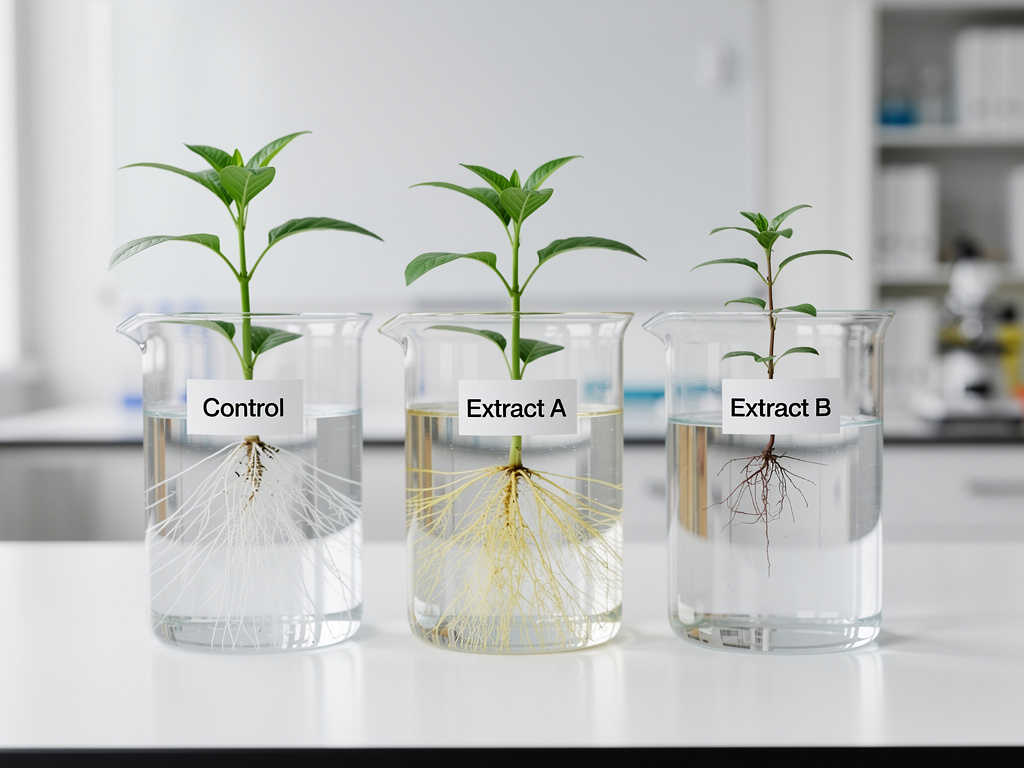
Allelopathy: Do Some Plants Inhibit Growth of Others Science Project
Investigate the allelopathic effects of certain plants on the growth of others. Conduct experiments to observe the relationships between different species!
This project explores genetic variation among soil bacteria and their resistance to different antibiotics. Through DNA extraction and PCR, students will identify gene markers associated with resistance.

If soil bacteria have genetic variations, then they will exhibit different levels of resistance to various antibiotics.
As an Amazon Associate, this site earns from qualifying purchases.
Step 1: Collect soil samples from different locations.
Step 2: Isolate bacteria from the soil samples using sterile techniques.
Step 3: Culture bacteria on agar plates to obtain colonies.
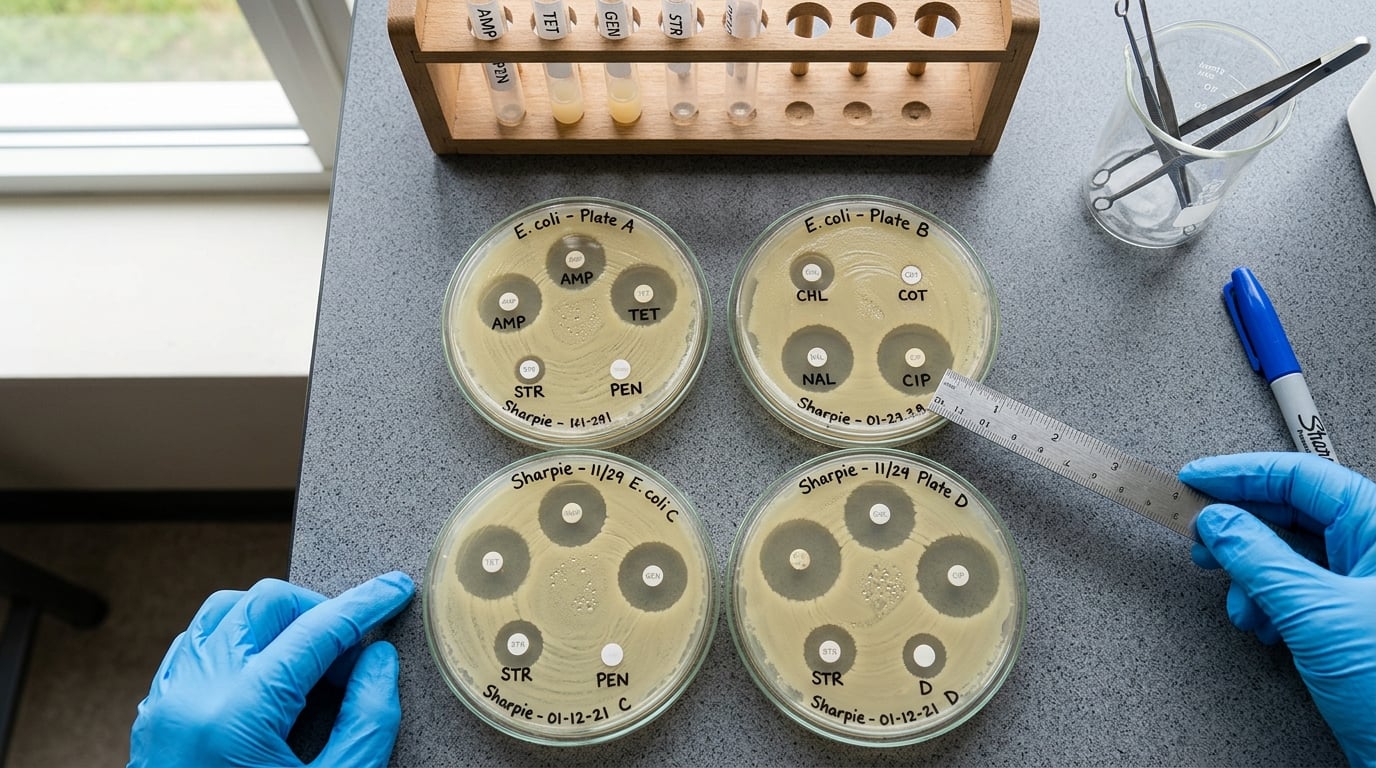
Step 4: Place antibiotic discs on cultured plates to test resistance.
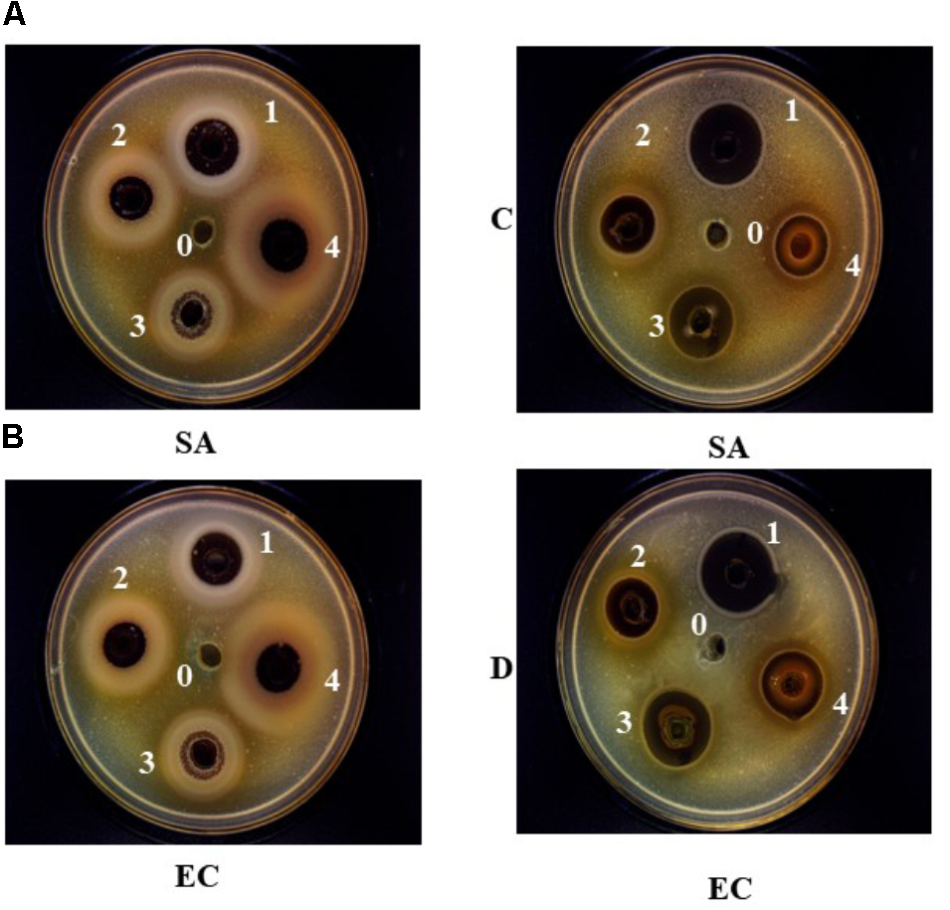
Step 5: Incubate plates and observe zones of inhibition around discs.
Step 6: Extract DNA from resistant bacterial colonies using the DNA extraction kit.
Step 7: Amplify resistance genes using PCR.
Step 8: Analyze PCR results to identify genetic markers of resistance.
Step 9: Compare genetic variation across different soil samples.
Step 10: Document findings and analyze data for patterns.
Step 11: Prepare and organize results for presentation.
Step 12: Conclude whether genetic variation affects antibiotic resistance.
Differences in inhibition zones and genetic markers across soil samples are expected, suggesting genetic variation influences antibiotic resistance.
Soil sample location
Antibiotic resistance level
Incubation temperature, Bacterial culture medium, Antibiotic concentration, PCR conditions
Handle all bacterial cultures with care to prevent contamination and ensure proper sterilization of equipment.
Use visuals like DNA gel images to illustrate genetic differences.
Explain the significance of antibiotic resistance and its impact on health.
Discuss your methodology clearly, emphasizing the importance of controls.
Be prepared to discuss potential errors in DNA analysis.
Resistance is tested by measuring inhibition zones around antibiotic discs on bacteria cultures.
PCR is used to amplify bacterial DNA to identify genetic markers of antibiotic resistance.
Soil bacteria are diverse and studying them helps understand resistance patterns and environmental impacts.