Analyzing the Role of Vegetation in Urban Heat Islands
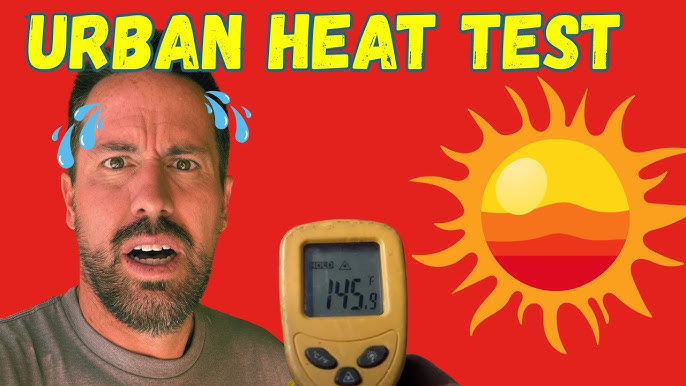
This project investigates how vegetation influences temperature in urban heat islands. By comparing areas with varying plant cover, students can assess the cooling effects of vegetation.
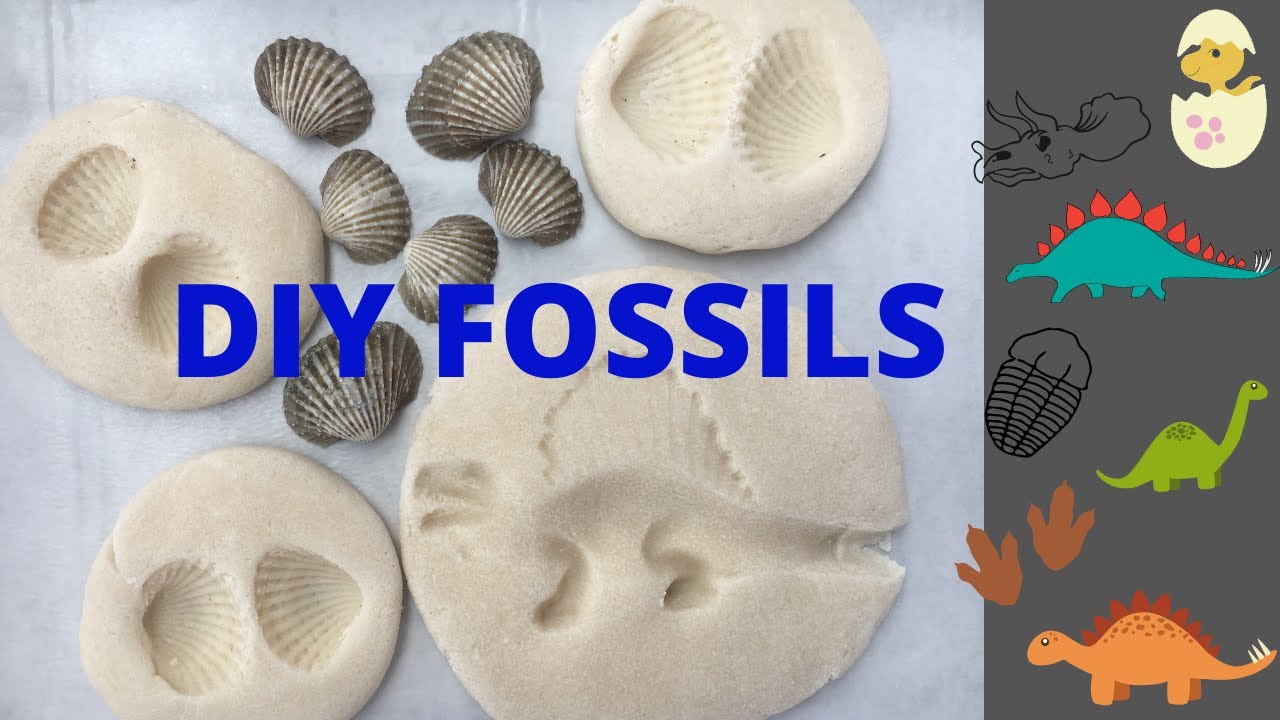
In this project, students will make their own fossils using plaster of Paris. They will learn about how fossils are formed and the history of life on Earth. It's a fun way to explore geology and paleontology!

If I create fossils using plaster of Paris, then I can replicate the fossilization process and understand how real fossils are formed.
As an Amazon Associate, this site earns from qualifying purchases.
Gather your materials and choose natural objects to create fossils.
Mix plaster of Paris with water in a bowl according to package instructions.
Pour the mixture into the plastic mold.
Press the natural objects into the wet plaster.
Cover the mold with plastic wrap and let it set for 24-48 hours.
Carefully remove the fossil from the mold.
Use sandpaper to smooth out any rough edges.
Label your fossil and display it.
You should have durable, realistic-looking fossils that replicate the fossilization process. This will help you understand how fossils are preserved over time.
Types of natural objects used
Quality of the fossil produced
Amount of plaster used, Mold type, Setting time
Wear gloves while handling plaster to avoid skin irritation. Ensure the area is well-ventilated while mixing.
Include images of real fossils for comparison.
Discuss the fossilization process in your presentation.
Demonstrate the steps of making a fossil.
Provide samples for classmates to handle.
You can use leaves, shells, or any small object that can impress into the plaster.
It typically takes 24-48 hours for plaster to completely set.
Yes, once they're dry, you can paint them to make them more realistic!