Science Fair Projects
biologymedium middle 4 days

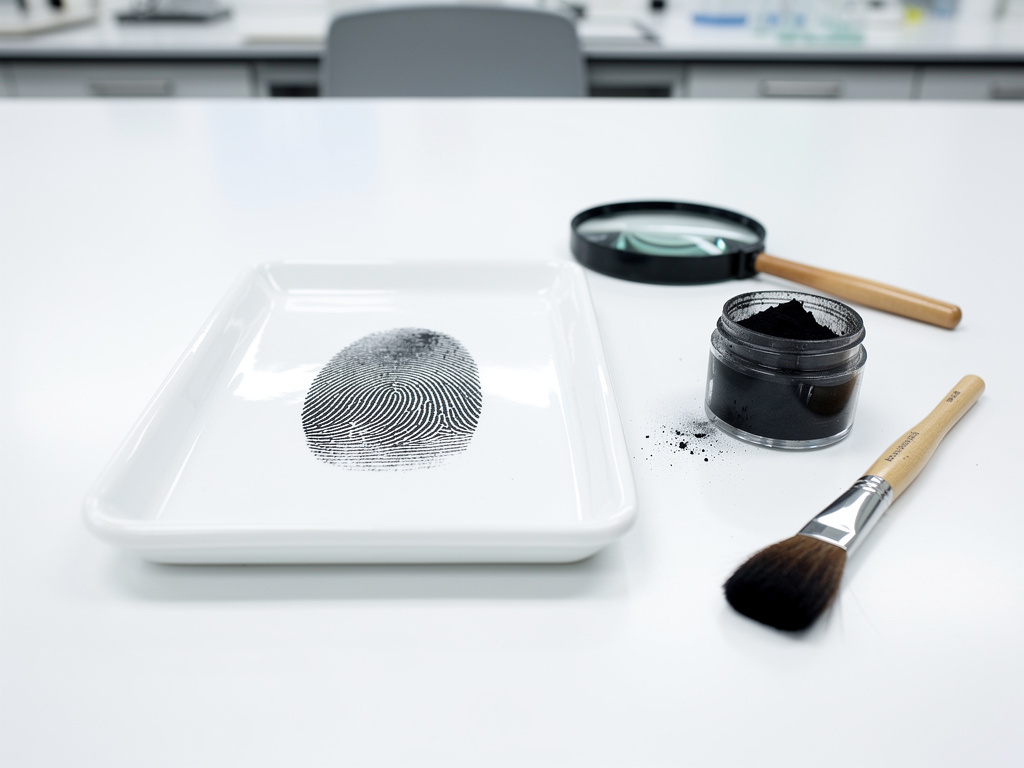
Fingerprint Patterns: Are They Unique? Classification Science Project

This project investigates the uniqueness of fingerprint patterns among individuals. Participants will collect and classify their fingerprints to explore the concept of individuality in biometric data.

Fingerprint Patterns: Are They Unique? Classification Science Project

Hypothesis

If fingerprints are collected from multiple individuals, then they will show unique patterns, demonstrating that no two fingerprints are alike.

Materials Needed

ink pad — 1Buy
white paper — 10 sheetsBuy
magnifying glass — 1Buy
marker — 1Buy
notebook — 1Buy
participants (friends/family) — 3-5Buy
camera (optional) — 1Buy
chart for classification — 1Buy

As an Amazon Associate, this site earns from qualifying purchases.

Step-by-Step Procedure

  1. 1

    Prepare white paper and ink pad for fingerprinting.

  2. 2

    Instruct each participant to press their finger onto the ink pad.

  3. 3

    Press the inked finger onto the paper to create a print.

  4. 4

    Label each print with the participant's name.

  5. 5

    Collect and analyze prints to identify patterns (loops, whorls, arches).

  6. 6

    Use the magnifying glass to examine unique features in the fingerprints.

  7. 7

    Create a chart to classify the different patterns observed.

  8. 8

    Discuss the uniqueness of each fingerprint among participants.

  9. 9

    Document findings and share observations in a presentation.

  10. 10

    Prepare to explain the science behind fingerprint classification.

Expected Results

Each participant's fingerprint is expected to show unique patterns. The classification will likely reveal various patterns, supporting the hypothesis of uniqueness among individuals.

Variables

Independent Variable

individual participants

Dependent Variable

pattern classification of fingerprints

Controlled Variables

type of ink, paper used, method of inking

Safety Notes

Ensure that the ink used is non-toxic. Clean any ink spills immediately to avoid staining.

Presentation Tips

  • Display fingerprint samples and classification charts.

  • Include a discussion on the significance of fingerprints in forensics.

  • Engage the audience with interactive fingerprinting.

  • Use visuals to explain different fingerprint patterns.

  • Practice delivering the presentation for clarity.

Frequently Asked Questions

How can I tell if a fingerprint is unique?

By comparing the ridge patterns and minutiae points on each print.

Can I use different types of ink?

Yes, but make sure it’s safe and washable.

How do I classify the patterns?

Look for loops, whorls, and arches as main categories.

Related Projects

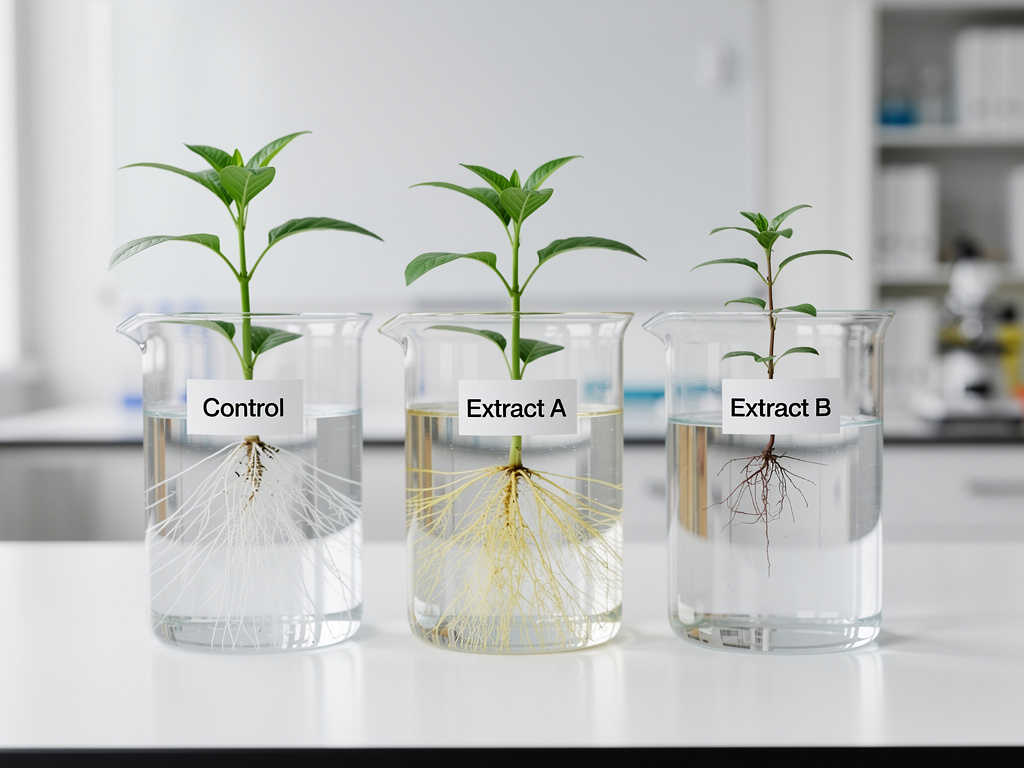
Allelopathy: Do Some Plants Inhibit Growth of Others Science Project
biologymedium

Allelopathy: Do Some Plants Inhibit Growth of Others Science Project

Investigate the allelopathic effects of certain plants on the growth of others. Conduct experiments to observe the relationships between different species!

10 days·high

Analyzing Genetic Variation with PCR-RFLP
biologyhard

Analyzing Genetic Variation with PCR-RFLP

This experiment uses PCR-RFLP to study genetic variation in a gene fragment. Students will amplify and digest DNA to compare restriction patterns across samples.

15 days·high
Analyzing Local Water Quality for Contaminants
biologyhard

Analyzing Local Water Quality for Contaminants

In this science fair project, you will collect water samples from local sources and test them for contaminants such as nitrates, phosphates, and pH levels. By comparing your results with local water safety standards, you will assess the quality of your local water supply and its potential impacts on health and the environment.

7 days·high
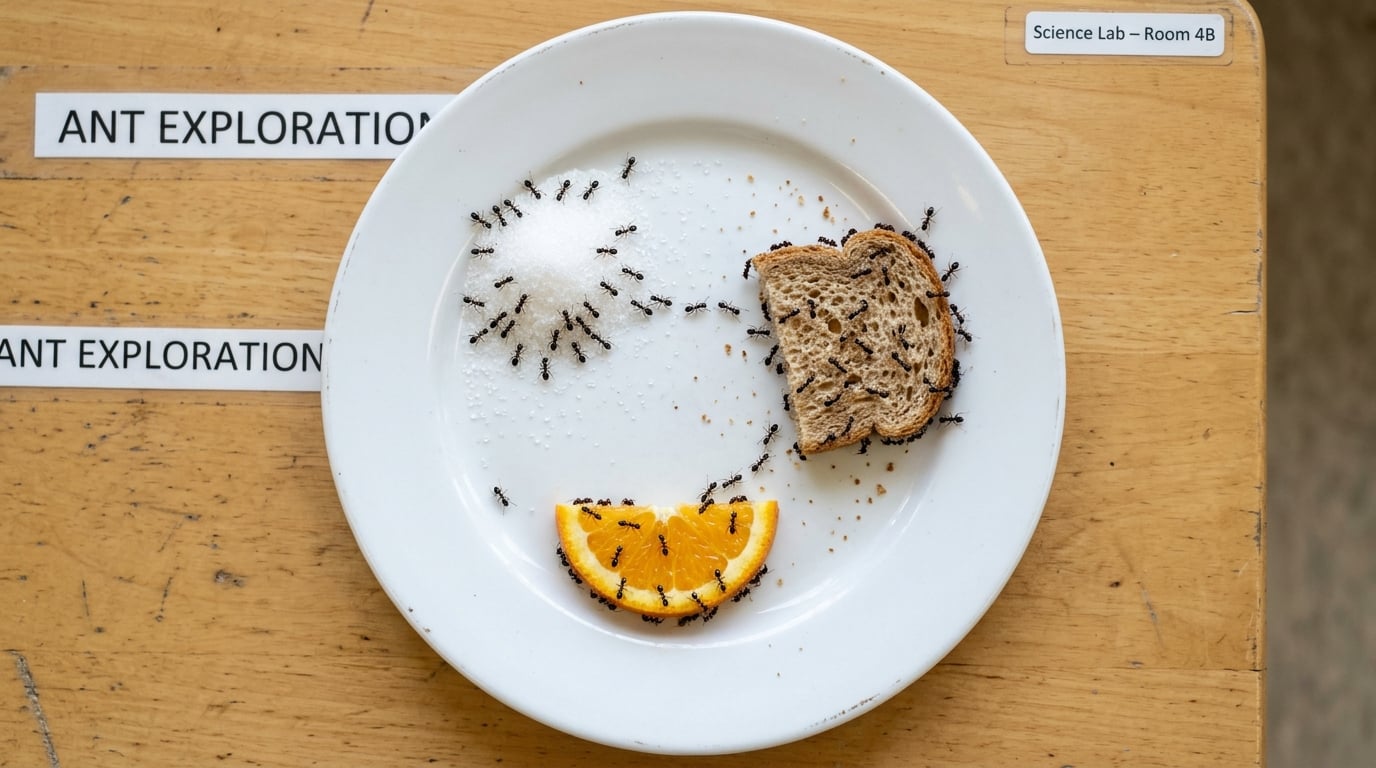
Ants on a Mission: Food Preferences in the Insect World
biologyeasy

Ants on a Mission: Food Preferences in the Insect World

Study ant behavior by observing which types of food they prefer. This project helps to understand the dietary habits of ants in a natural setting.

5 days·elementary
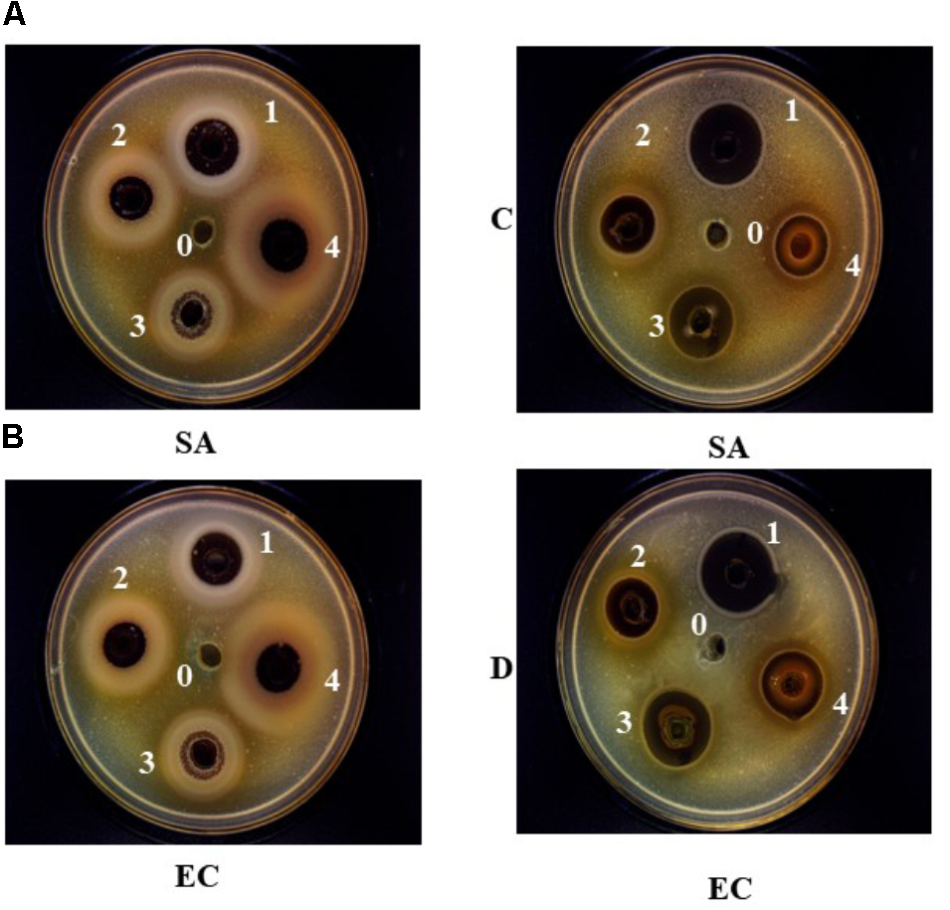
Bacterial Battle: Testing Natural Antibiotics From Household Items
biologymedium

Bacterial Battle: Testing Natural Antibiotics From Household Items

Test the effectiveness of common household items like garlic and honey as natural antibiotics against bacteria. Analyze which substance shows the best antibacterial properties.

14 days·middle
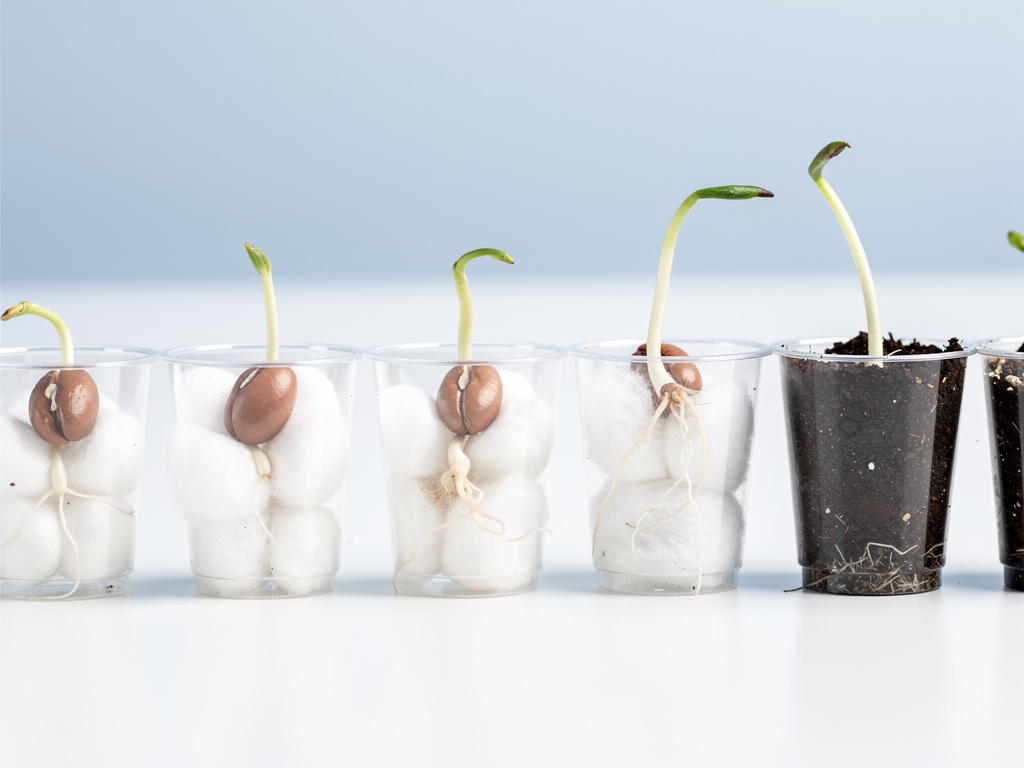
Bean Germination Experiment - How Plants Grow from Seeds Science Project
biologyeasy

Bean Germination Experiment - How Plants Grow from Seeds Science Project

Explore the fascinating process of seed germination with a hands-on bean experiment. Observe how seeds sprout and grow into healthy plants in just a few days, while learning about the needs of living organisms!

4 days·elementary

Like this project? Get more ideas!