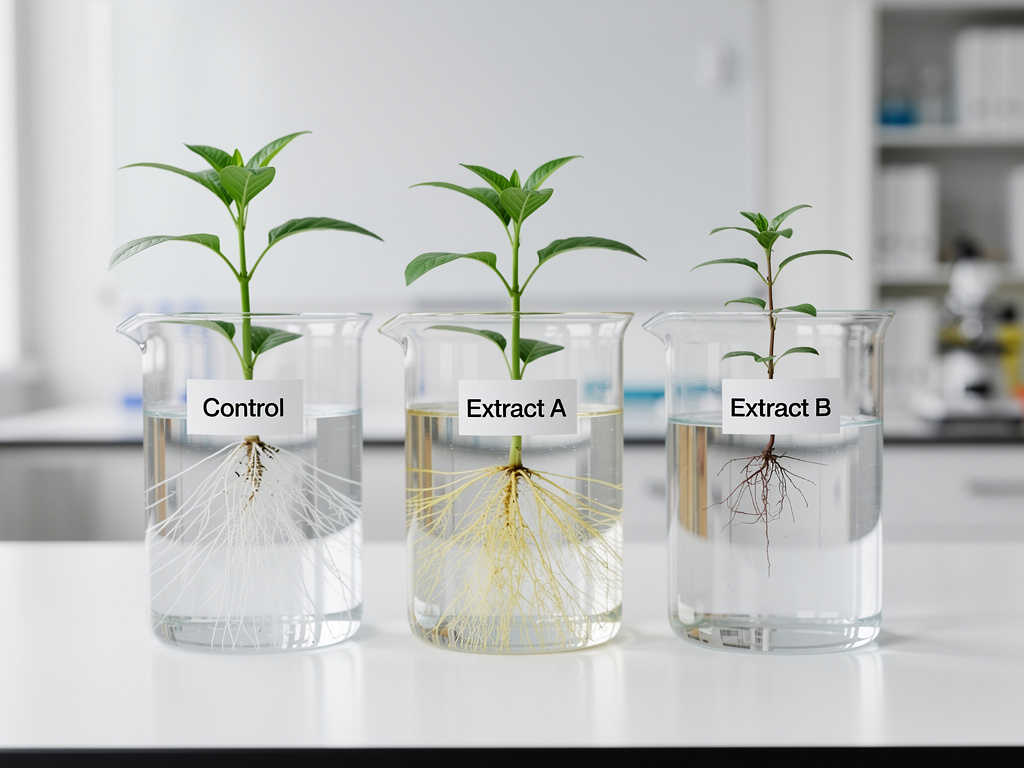
Allelopathy: Do Some Plants Inhibit Growth of Others Science Project
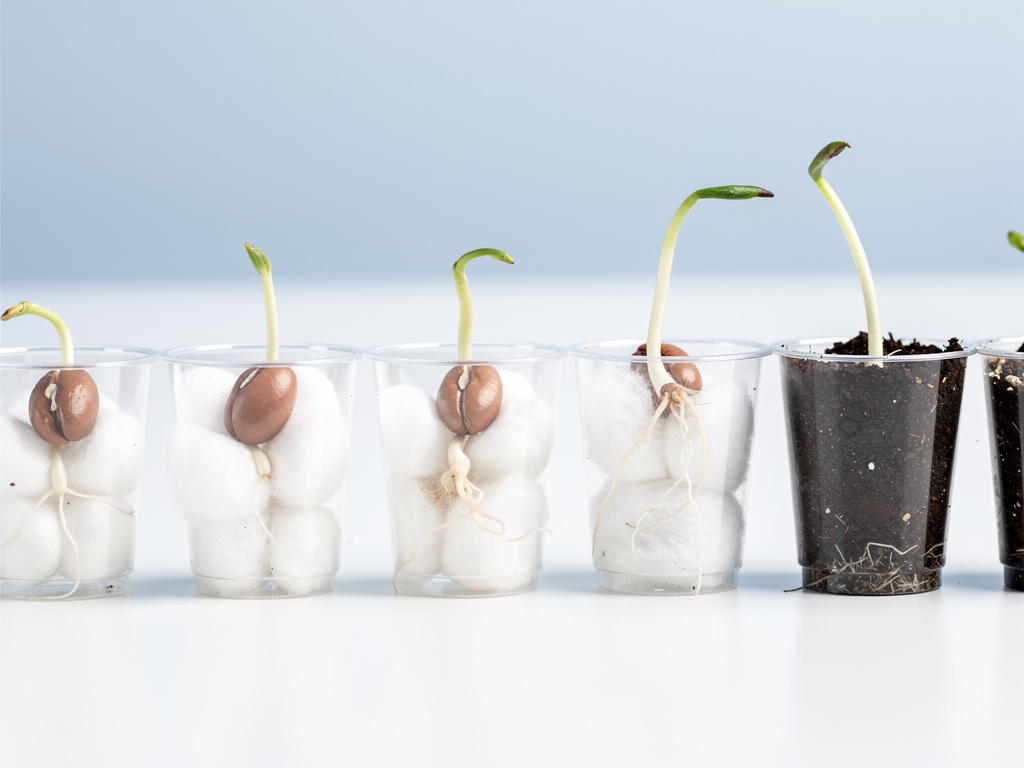
Investigate the allelopathic effects of certain plants on the growth of others. Conduct experiments to observe the relationships between different species!
This project explores how different types of sugars affect the rate of respiration in yeast. By measuring the amount of carbon dioxide produced, students can determine which sugar yeast prefers.

If yeast is given different types of sugars, then the type of sugar will affect the rate of carbon dioxide production.
As an Amazon Associate, this site earns from qualifying purchases.
Label each bottle with the type of sugar being tested.
Mix a tablespoon of dry yeast into each bottle.
Add a teaspoon of a different type of sugar to each bottle.
Pour equal amounts of warm water into each bottle.
Secure a balloon over the top of each bottle.
Shake the bottles gently to mix the ingredients.
Place the bottles in a warm area and observe.
Measure the circumference of the balloons at regular intervals.
Record data and compare the balloon sizes.
Analyze which sugar produced the most carbon dioxide.
The yeast should produce different amounts of carbon dioxide depending on which sugar is used. The balloon with the sugar that yeast prefers will inflate the most.
Type of sugar
Amount of carbon dioxide produced
Amount of yeast, Amount of water, Temperature
Ensure a clean workspace and avoid ingestion of non-food-safe materials.
Use clear labels for each sugar type.
Include charts to show carbon dioxide production over time.
Explain the biological process of yeast respiration.
The balloon inflates due to carbon dioxide gas released by the yeast as it consumes sugar.
Yeast is a type of fungus used in baking and brewing that produces carbon dioxide when it ferments sugars.
Yes, other carbohydrate sources can be tested to see if they provide similar results.