Analyzing the Role of Vegetation in Urban Heat Islands
This project investigates how vegetation influences temperature in urban heat islands. By comparing areas with varying plant cover, students can assess the cooling effects of vegetation.
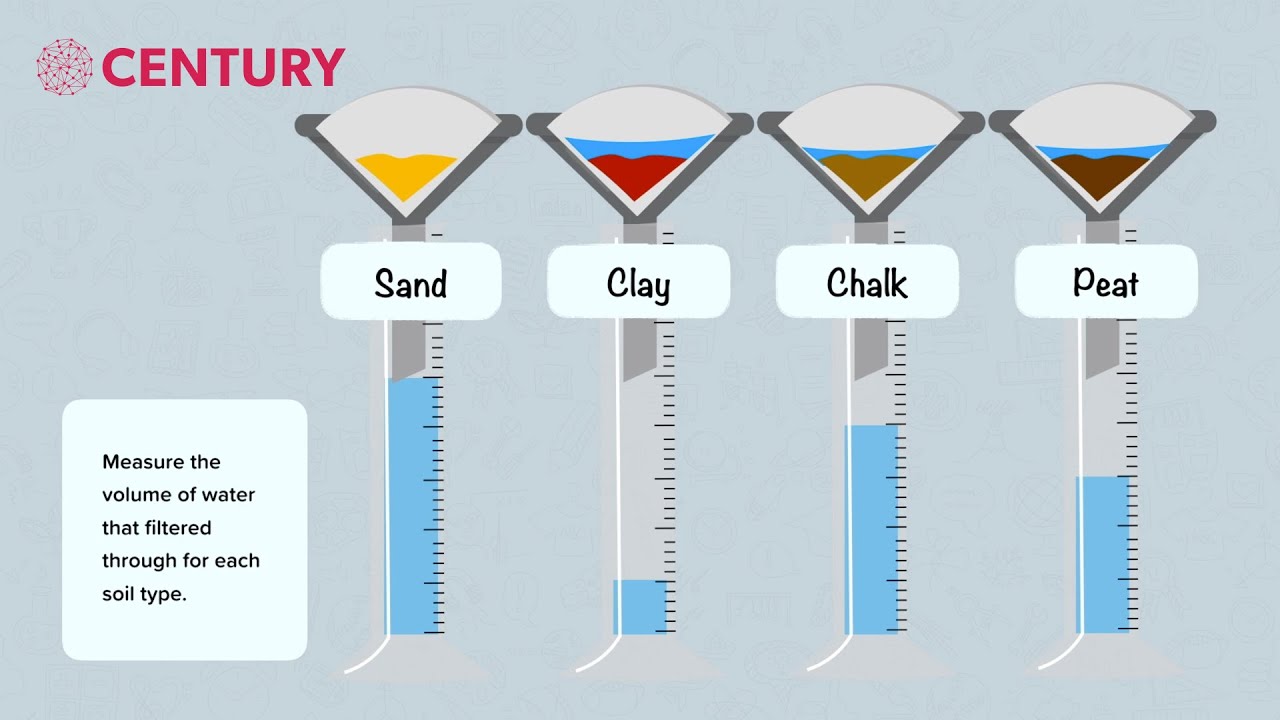
This project investigates how various soil types, such as sand, clay, and loam, respond to water exposure. By simulating rainfall on soil samples, students can observe erosion rates and learn about soil conservation.

If different soil types are exposed to the same amount of water, then the clay soil will erode the least due to its compact structure.
As an Amazon Associate, this site earns from qualifying purchases.
Step 1: Gather all materials and label each tray with the type of soil it will contain.
Step 2: Fill each plastic tray with a different type of soil to an equal depth.
Step 3: Carefully pour the same amount of water over each soil type using the watering can.
Step 4: Observe and record the erosion in each tray after watering.
Step 5: Measure the amount of soil lost from each tray using the ruler.
Step 6: Repeat the watering process three times for consistency.
Step 7: Record the observations after each watering session.
Step 8: Analyze which soil type had the least erosion.
Step 9: Compare results and discuss findings in the notebook.
Step 10: Draw conclusions about soil erosion and conservation.
The clay soil is expected to show the least amount of erosion because its particles are tightly packed, compared to the loose structure of sand. Loam may exhibit moderate erosion.
Type of soil
Amount of erosion
Amount of water, Size of trays, Watering method
Ensure water is poured gently to prevent splashing and use trays to contain soil and water.
Use clear charts to display erosion results.
Take photos of each soil before and after watering.
Discuss real-world implications of soil erosion.
Soil erosion can lead to loss of fertile land and impact agriculture and ecosystems.
Factors include rainfall intensity, vegetation cover, and land slope.
Yes, as long as there is a way to manage water runoff safely.