Analyzing the Role of Vegetation in Urban Heat Islands
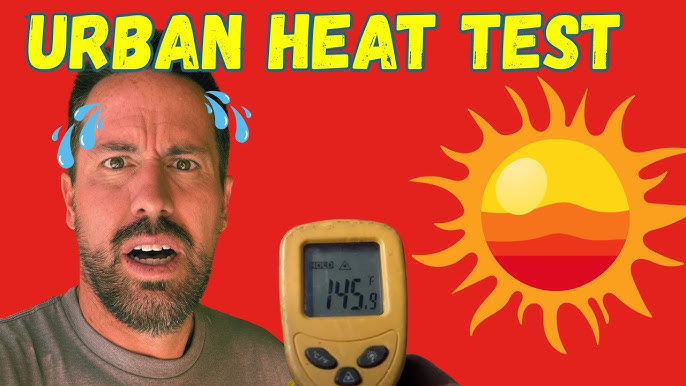
This project investigates how vegetation influences temperature in urban heat islands. By comparing areas with varying plant cover, students can assess the cooling effects of vegetation.
Explore the fascinating process of erosion and how water shapes landscapes through this hands-on experiment. You'll observe soil movement and learn about environmental impacts. Ideal for middle school science fairs!

If water flows over soil, then it will cause erosion, resulting in visible changes to the landscape.
As an Amazon Associate, this site earns from qualifying purchases.
Create a small landscape using soil and rocks in the container.
Pour water slowly over the landscape to simulate rain.
Observe and record changes in the soil and landscape.
Measure the amount of soil displaced and changes in shape.
Repeat several times to gather consistent data.
Analyze the effects of water flow on erosion.
Prepare a presentation with your observations.
Discuss the implications of erosion in nature.
You should observe soil displacement and changes in landscape shape, demonstrating the effects of water erosion.
Amount and speed of water flow
Amount of soil erosion observed
Type of soil used, Container dimensions, Type of rocks
Ensure to handle water spills carefully and work in a designated area to avoid mess.
Show before-and-after photos of the landscape.
Use diagrams to illustrate erosion processes.
Discuss the environmental impacts of erosion.
Prepare to answer questions about erosion control methods.
Erosion is the process by which soil and rock are removed from the Earth's surface by natural forces.
Water can displace soil particles, carrying them away, especially during heavy rain.
Planting vegetation and building barriers can help reduce erosion effects.