Science Fair Projects
biologymedium middle 10 days

Enzyme Activity and Temperature: Catalase Science Project

Investigate how different temperatures influence the rate of catalase activity in this exciting science project. You'll measure oxygen production and understand enzyme behavior!

Enzyme Activity and Temperature: Catalase Science Project

Hypothesis

If the temperature increases, then the rate of catalase enzyme activity will increase, up to a certain point.

Materials Needed

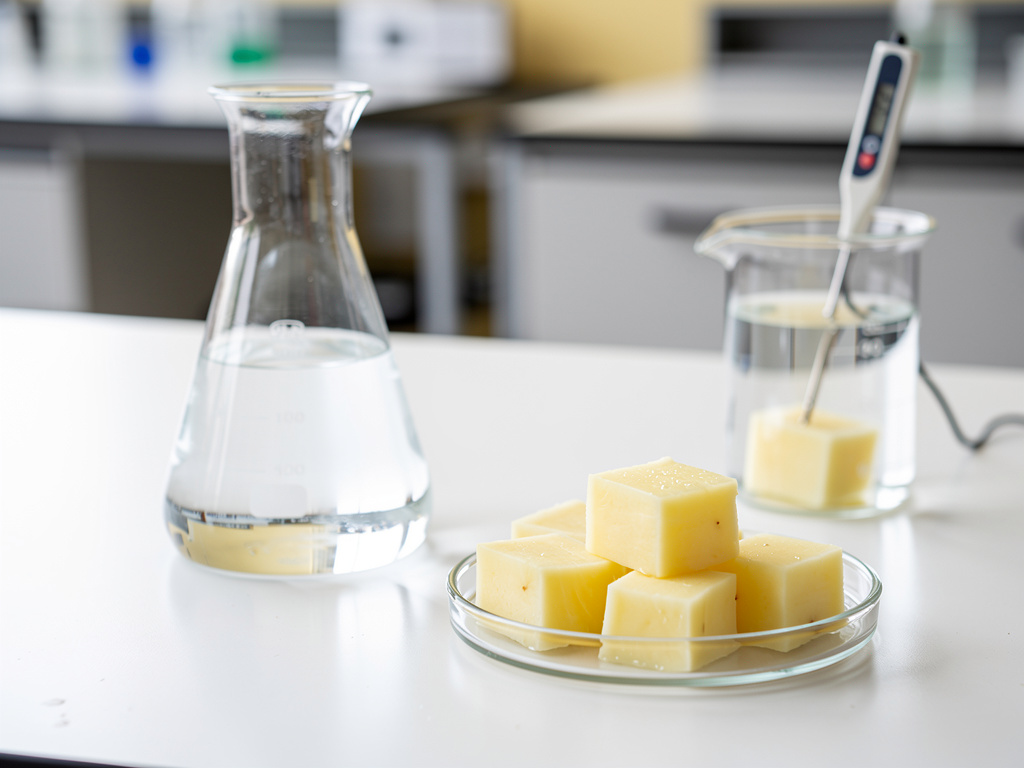
potato (or liver)1Buy
hydrogen peroxide100 mLBuy
test tubes5Buy
thermometer1Buy
ice bath1Buy
hot water1Buy
stopwatch1Buy
measuring cylinder1Buy

As an Amazon Associate, this site earns from qualifying purchases.

Step-by-Step Procedure

  1. 1

    Prepare test tubes with equal amounts of hydrogen peroxide.

  2. 2

    Place potato pieces in each test tube.

  3. 3

    Set one test tube in a cold water bath, one in hot water, and the rest at room temperature.

  4. 4

    Measure the temperature of each test tube.

  5. 5

    Start the stopwatch and observe the bubbling.

  6. 6

    Record the time taken for bubbles to form.

  7. 7

    Repeat the experiment for accuracy.

  8. 8

    Analyze the data collected.

Expected Results

It is expected that the test tube at optimal temperature will show the highest enzyme activity. Cold temperatures may slow down activity, while extreme heat could deactivate the enzyme.

Variables

Independent Variable

temperature

Dependent Variable

rate of catalase activity

Controlled Variables

volume of hydrogen peroxide, amount of potato, environmental conditions

Safety Notes

Handle hydrogen peroxide with care, avoid skin contact, and use gloves if necessary.

Presentation Tips

  • Use clear graphs to display results.

  • Include a video showing the reaction.

  • Prepare a poster summarizing your findings.

  • Practice explaining your experiment to classmates.

  • Anticipate questions judges might ask.

Frequently Asked Questions

Like this project? Get more ideas!