Science Fair Projects
earth scienceeasy elementary 4 days

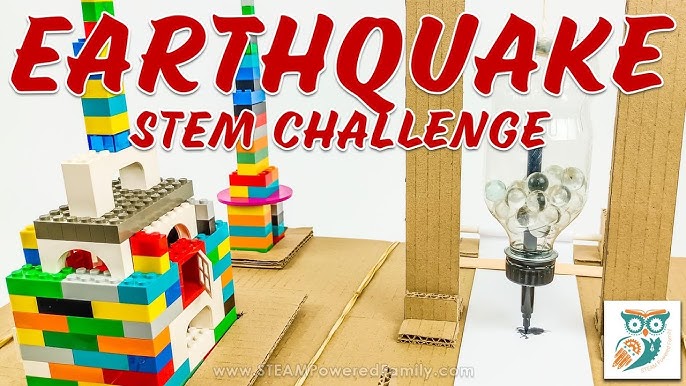
Earthquake Shaker: Testing Building Stability

Build simple structures and test their stability using a homemade earthquake simulator. Learn about seismic activity and building design.

Earthquake Shaker: Testing Building Stability

Hypothesis

If a structure is designed with a wide base, then it will withstand more shaking compared to structures with narrow bases.

Materials Needed

Wooden blocks — 20Buy
Cardboard — 2Buy
Rubber bands — 4Buy
Marbles — 10Buy
Glue — 1Buy
Plastic box lid — 1Buy

As an Amazon Associate, this site earns from qualifying purchases.

Step-by-Step Procedure

  1. 1

    Build small structures from wooden blocks.

  2. 2

    Place structures on the plastic box lid.

  3. 3

    Attach marbles to the bottom of the lid using rubber bands.

  4. 4

    Simulate an earthquake by gently shaking the lid.

  5. 5

    Observe which structures remain standing.

  6. 6

    Record the stability of each structure.

  7. 7

    Rebuild structures with different designs.

  8. 8

    Compare the stability of different designs.

Expected Results

Structures with wider bases are expected to remain more stable during shaking, demonstrating the importance of design in earthquake-prone areas.

Variables

Independent Variable

Structure design

Dependent Variable

Stability during shaking

Controlled Variables

Material of blocks, Size of lid, Shake intensity

Safety Notes

Ensure the area is clear of fragile items during shaking tests.

Presentation Tips

  • Create a video of the shaking tests.

  • Discuss real-world applications of earthquake-resistant design.

  • Use diagrams to show how designs affect stability.

Frequently Asked Questions

Why do wider bases help?

Wider bases distribute the force more evenly, providing stability.

Can I use different materials?

Yes, but keep materials consistent to compare results.

Is this like a real earthquake?

It's a simulation, but it helps understand basic principles of seismic impact.

Related Projects

Analyzing the Role of Vegetation in Urban Heat Islands
earth sciencehard

Analyzing the Role of Vegetation in Urban Heat Islands

This project investigates how vegetation influences temperature in urban heat islands. By comparing areas with varying plant cover, students can assess the cooling effects of vegetation.

30 days·high
Animal Habitats Diorama Science Project - Explore Different Ecosystems
earth scienceeasy

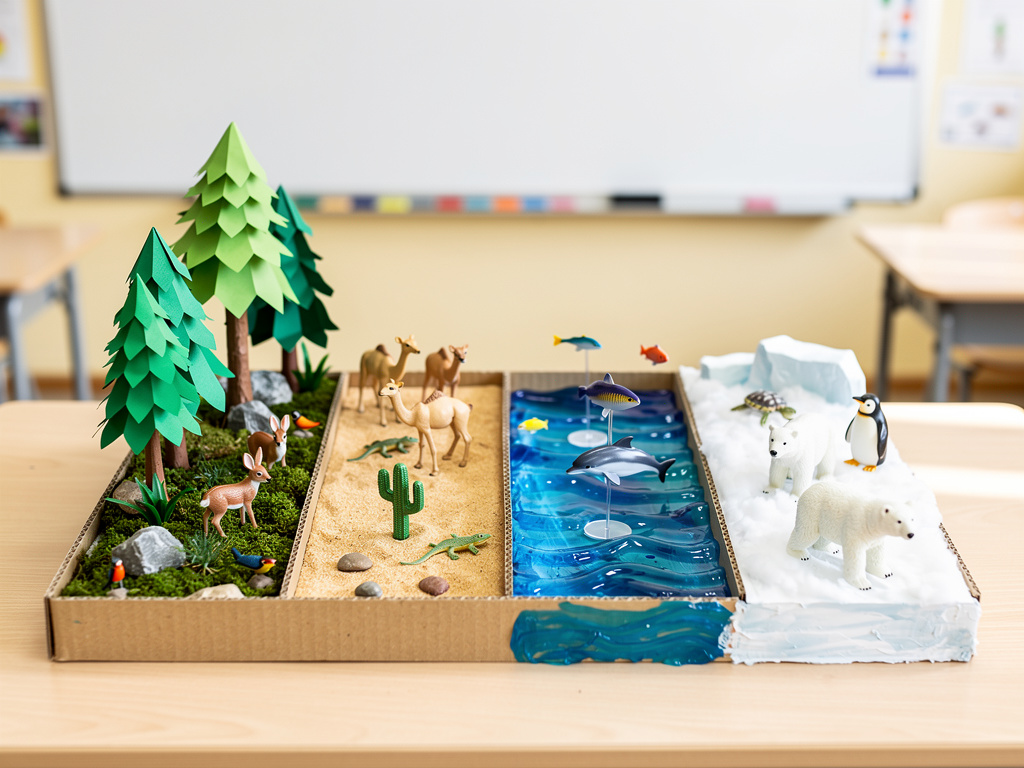
Animal Habitats Diorama Science Project - Explore Different Ecosystems

In this diorama project, students can explore various animal habitats. By creating a 3D model, they will learn about different ecosystems, the animals that live there, and their adaptations.

7 days·elementary
Aquatic Echoes: Impact of Ocean Acidification on Sound Propagation
earth sciencehard

Aquatic Echoes: Impact of Ocean Acidification on Sound Propagation

This project explores the effects of ocean acidification on how sound travels underwater. By simulating different pH levels and measuring sound speed, students will understand the environmental implications of changing ocean chemistry.

25 days·high
Biodegradable vs Plastic Decomposition Rates Science Project
earth sciencemedium

Biodegradable vs Plastic Decomposition Rates Science Project

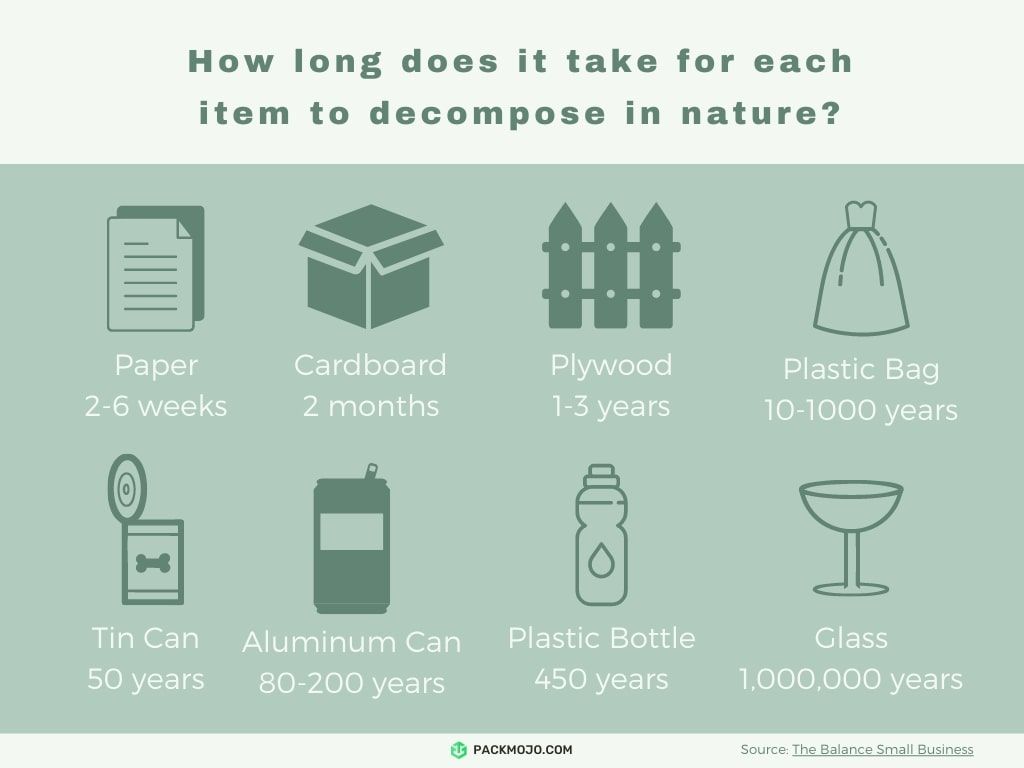
In this project, you'll compare how long biodegradable materials take to decompose versus plastic. This will shed light on pollution and waste management challenges.

10 days·middle
Biofuels Science Fair Project: Fuel Efficiency Comparison
earth sciencehard

Biofuels Science Fair Project: Fuel Efficiency Comparison

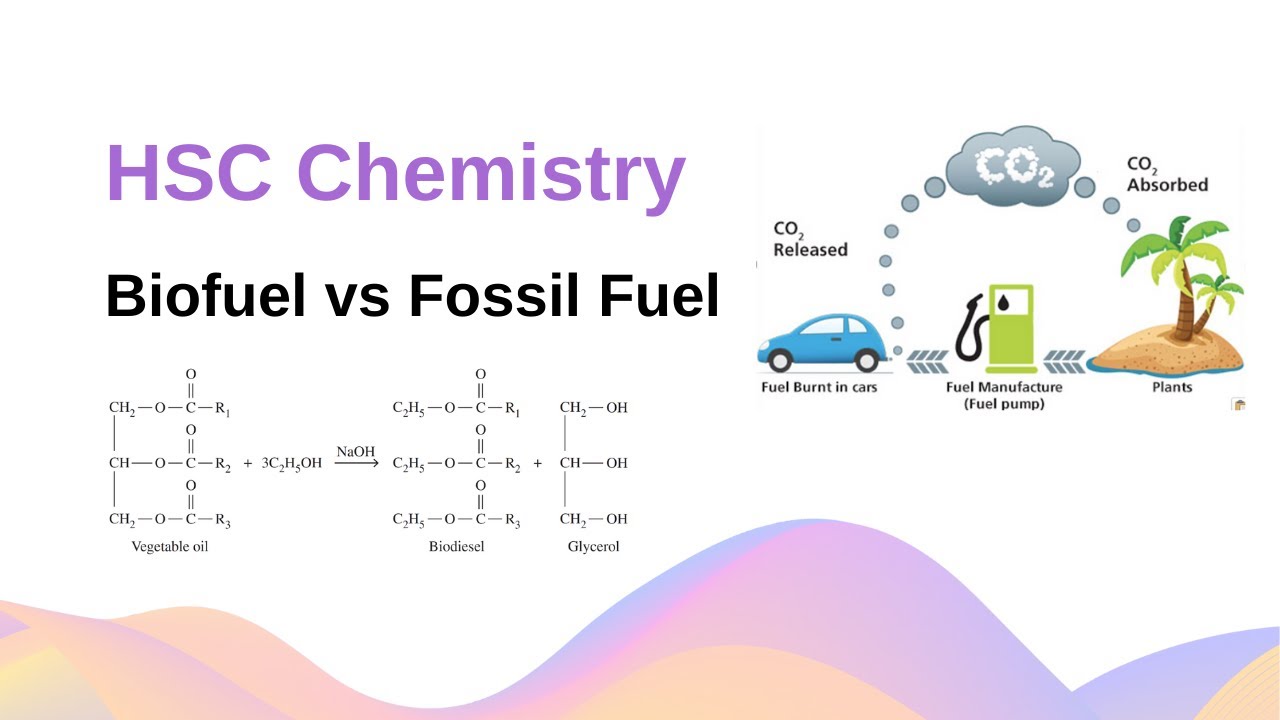
This project compares the fuel efficiency of various biofuels, such as ethanol and biodiesel. Students will conduct experiments to measure energy output and sustainability, aligning with current environmental challenges.

10 days·high
Bioremediation: Can Plants Clean Contaminated Soil Science Project
earth sciencehard

Bioremediation: Can Plants Clean Contaminated Soil Science Project

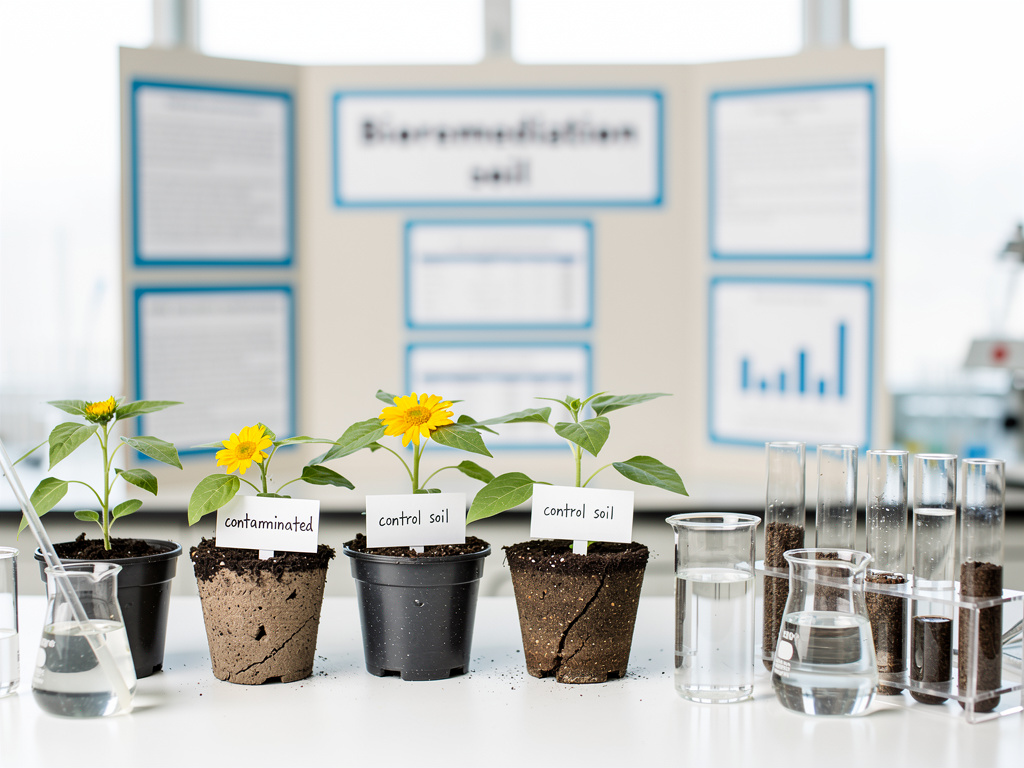
Explore the potential of plants to remediate contaminated soil. Conduct experiments to determine how effective certain plants are at absorbing pollutants!

14 days·high

Like this project? Get more ideas!