Science Fair Projects
physicshard high 22 days

Cavitation Chaos: Investigating Bubble Dynamics

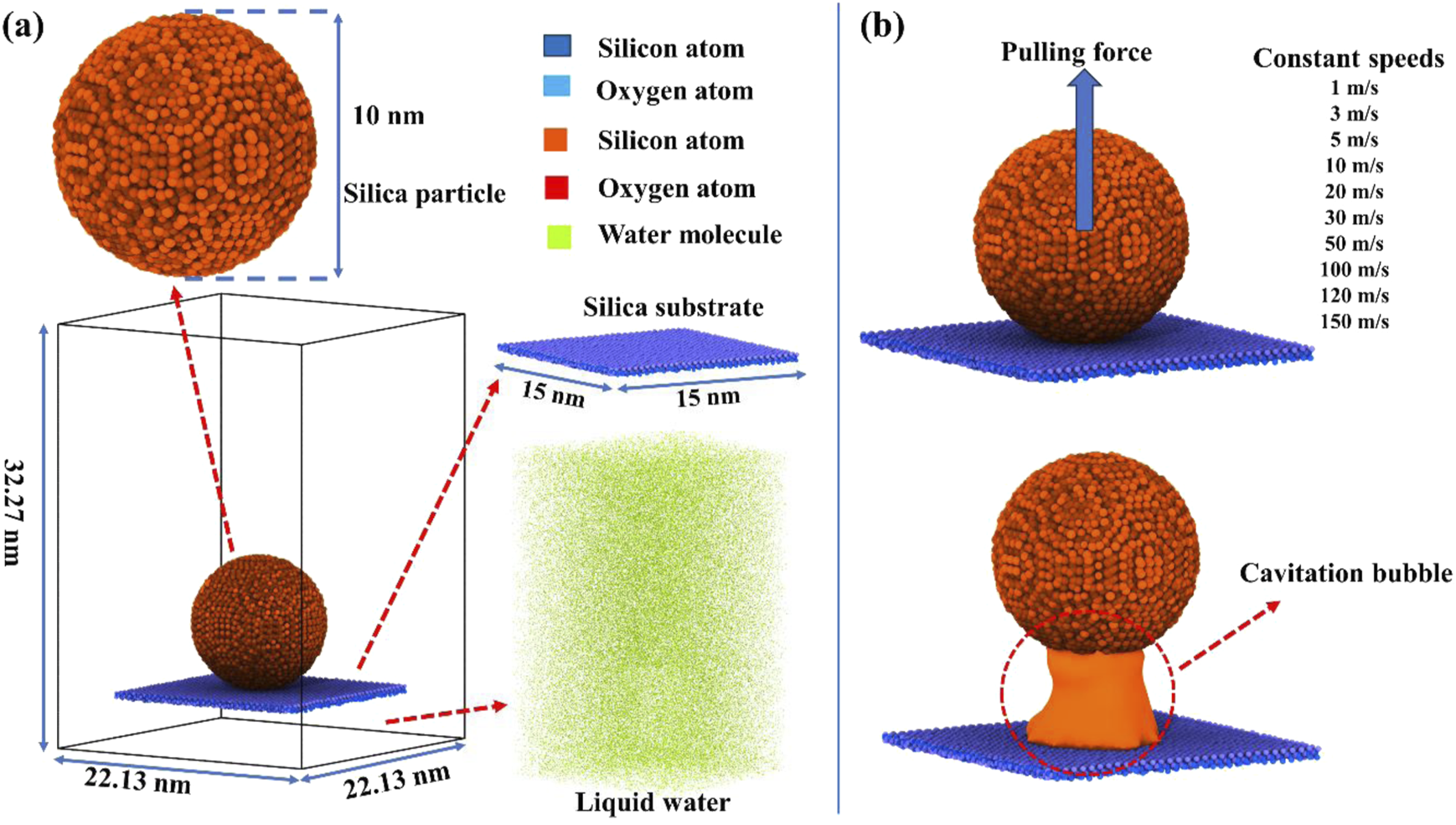
This project delves into the study of cavitation, where vapor bubbles form and collapse in a fluid, causing significant effects on the material. Students will explore the conditions leading to cavitation and analyze its impact on various liquid environments.

Cavitation Chaos: Investigating Bubble Dynamics

Hypothesis

If specific pressure conditions are met in a fluid, then cavitation bubbles will form and collapse, affecting the surrounding material.

Materials Needed

High-speed camera — 1Buy
Cavitating flow apparatus — 1Buy
Various liquid samples — 3Buy
Pressure gauge — 1Buy
Thermometer — 1Buy
Computer for data analysis — 1Buy
Safety goggles — 2Buy

As an Amazon Associate, this site earns from qualifying purchases.

Step-by-Step Procedure

  1. 1

    Review literature on cavitation physics and its effects.

  2. 2

    Set up the cavitating flow apparatus with the chosen liquid sample.

  3. 3

    Begin the experiment by gradually reducing the pressure within the system.

  4. 4

    Use the high-speed camera to capture bubble formation and collapse.

  5. 5

    Measure the pressure and temperature at which cavitation occurs.

  6. 6

    Record observations on bubble dynamics using the high-speed footage.

  7. 7

    Analyze how different liquids respond to the same pressure changes.

  8. 8

    Document any damage or wear caused by cavitation on materials.

  9. 9

    Compare experimental results with theoretical predictions.

  10. 10

    Compile a detailed report of the findings and their implications.

  11. 11

    Create a presentation to explain the project and conclusions.

Expected Results

The experiment should demonstrate that cavitation occurs under low-pressure conditions, leading to bubble formation and collapse, potentially causing damage to materials.

Variables

Independent Variable

Pressure within the liquid

Dependent Variable

Formation and collapse of cavitation bubbles

Controlled Variables

Type of liquid, Temperature, Volume of the fluid

Safety Notes

Wear safety goggles to protect eyes from possible splashes; handle all equipment with care to prevent accidents.

Presentation Tips

  • Use high-speed video clips to visually demonstrate cavitation.

  • Discuss the practical implications of cavitation in engineering and nature.

  • Provide a clear explanation of the physics behind bubble dynamics.

Frequently Asked Questions

What is cavitation?

Cavitation is the formation and collapse of vapor bubbles in a fluid, often caused by changes in pressure.

How does cavitation damage materials?

The rapid collapse of cavitation bubbles can produce powerful shock waves that erode material surfaces.

Can cavitation be beneficial?

In some cases, cavitation is used beneficially, such as in ultrasonic cleaning, where bubble collapses help dislodge dirt.

Related Projects

Acoustic Resonance Experiment: Standing Waves in Tubes Science Fair Project
physicsmedium

Acoustic Resonance Experiment: Standing Waves in Tubes Science Fair Project

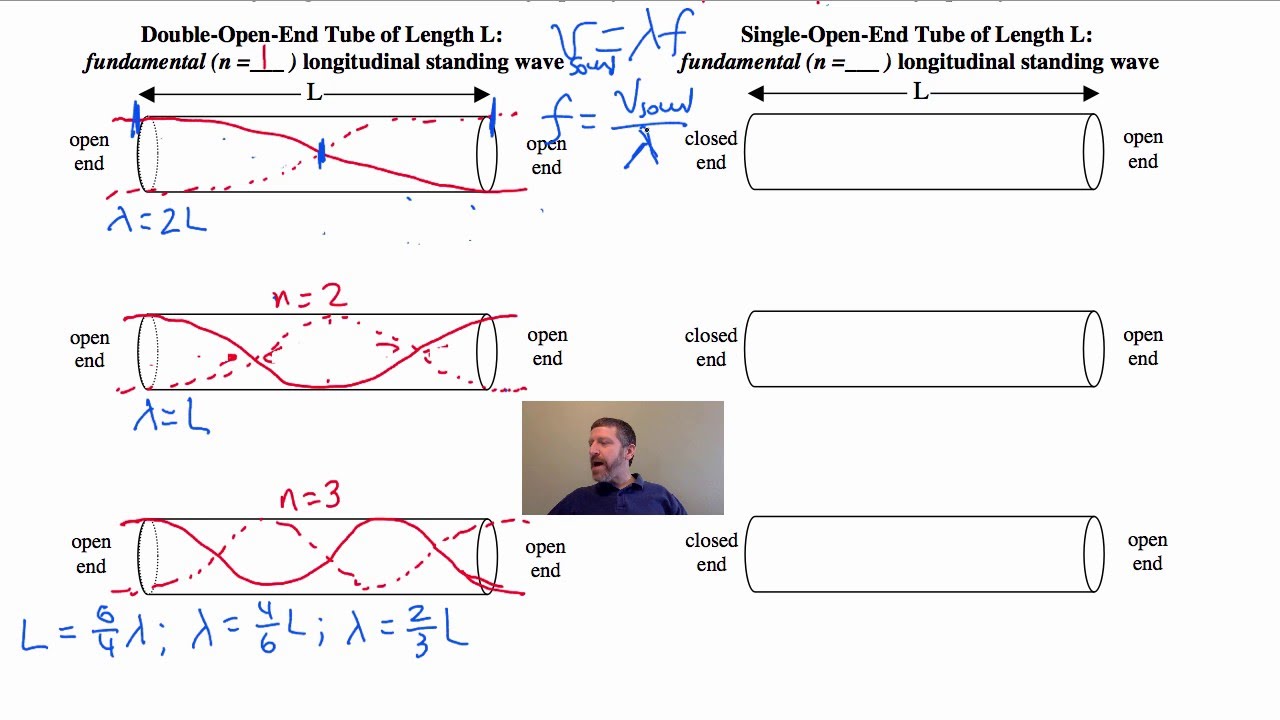
This experiment allows you to explore sound waves and resonance using tubes. By creating standing waves, you'll visualize how sound behaves in different environments. Perfect for middle school science fairs!

7 days·middle
Analyzing Quantum Tunneling in Semiconductor Devices
physicshard

Analyzing Quantum Tunneling in Semiconductor Devices

This project investigates quantum tunneling phenomena within semiconductor devices. Students will measure how electrons traverse energy barriers and analyze how this impacts device efficiency.

25 days·high
Archimedes' Principle: Testing Buoyancy with Different Objects
physicsmedium

Archimedes' Principle: Testing Buoyancy with Different Objects

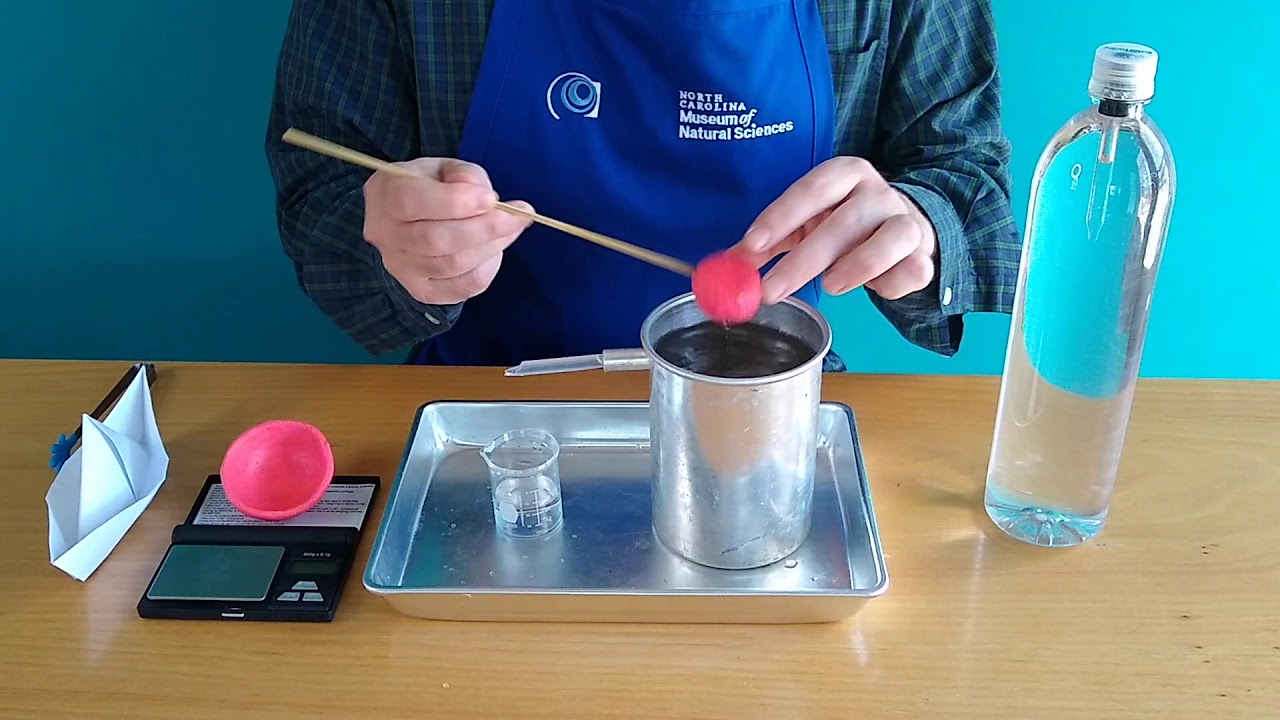
This project allows students to test various objects for buoyancy, demonstrating Archimedes' principle. It engages students in hands-on learning about density and displacement.

7 days·middle
Astronomical Observation - Tracking Planetary Motion
physicsmedium

Astronomical Observation - Tracking Planetary Motion

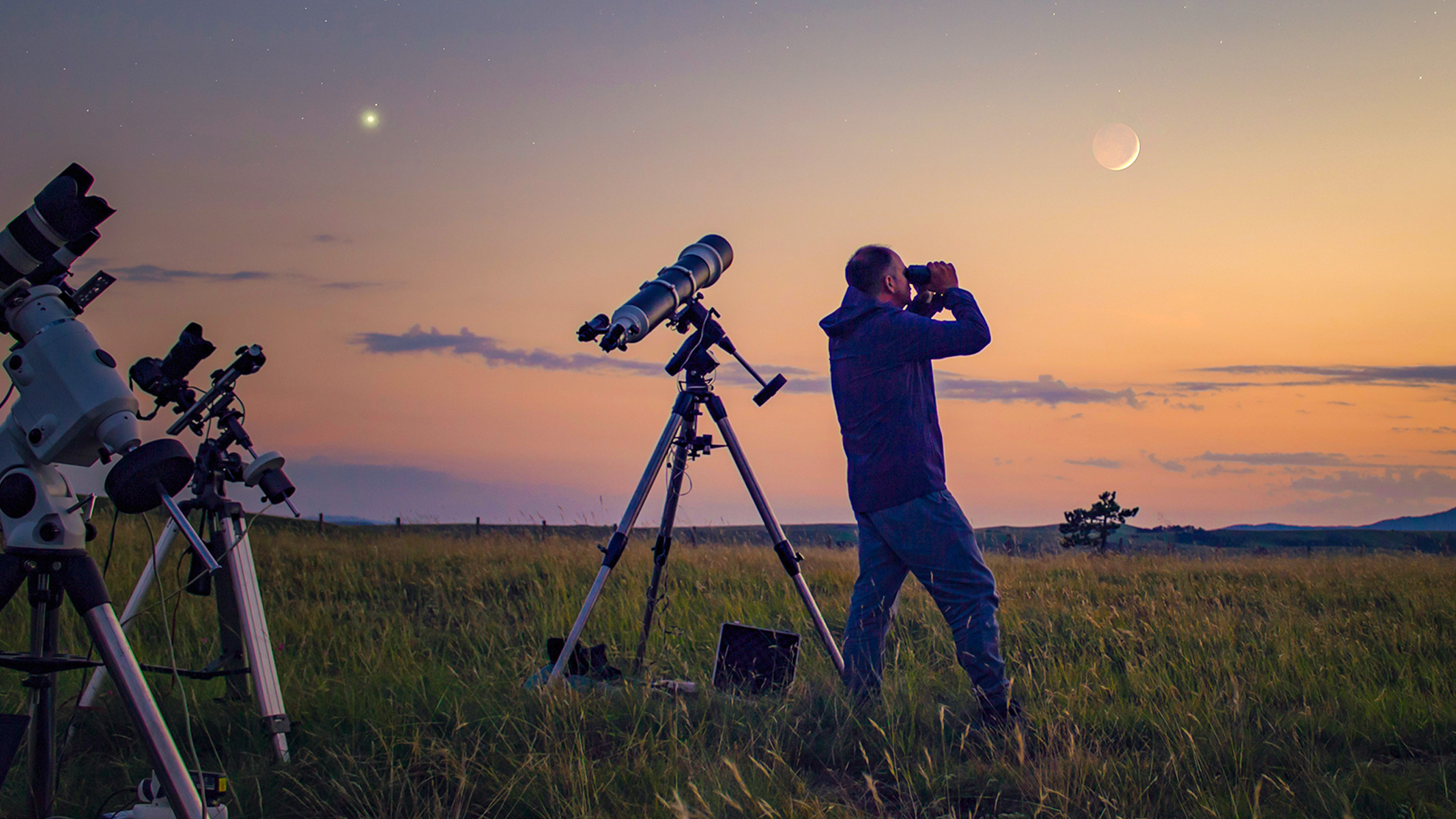
In this project, you will observe and record the positions of planets in the night sky over a month. By using a telescope or binoculars, you will track their movements, document their position on specific dates, and analyze their orbits to understand celestial mechanics. This project fosters an appreciation of astronomy and the dynamics of our solar system.

14 days·high
Atmospheric Pressure and Weather Patterns Analysis
physicsmedium

Atmospheric Pressure and Weather Patterns Analysis

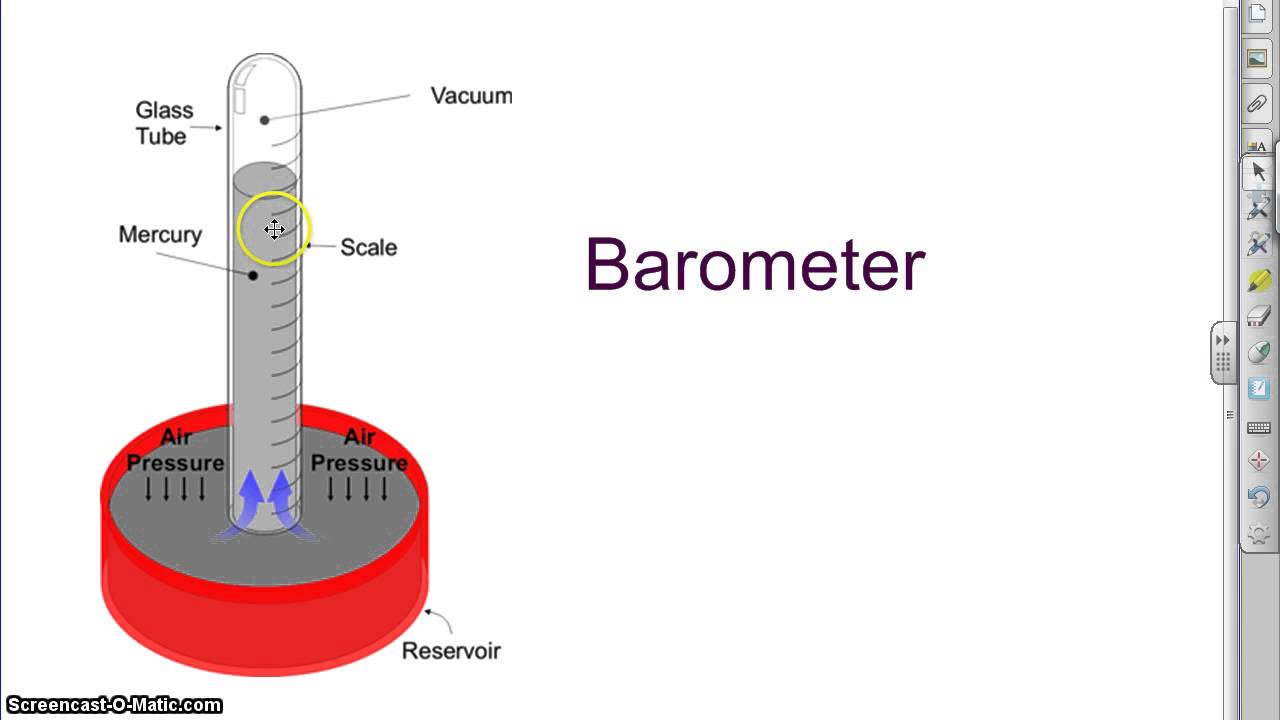
This project investigates how changes in atmospheric pressure correlate with weather conditions. By using a barometer to measure pressure and recording local weather patterns over a week, you will analyze the data to determine relationships and predict weather changes. This project emphasizes the importance of atmospheric science in understanding our climate.

7 days·middle
Balloon Rocket Experiment: Explore Newton's Third Law in Action
physicseasy

Balloon Rocket Experiment: Explore Newton's Third Law in Action

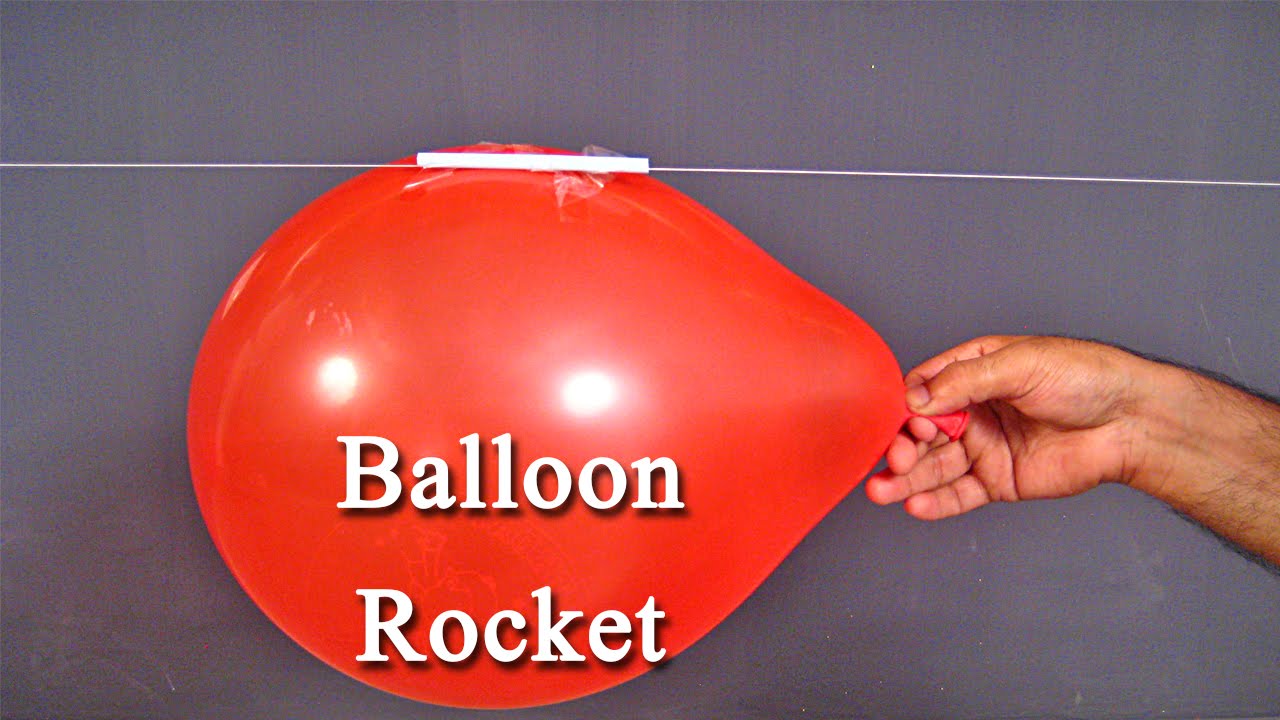
This exciting balloon rocket experiment demonstrates Newton's third law of motion. By launching balloons, students can visually see how every action creates an equal and opposite reaction!

1 days·middle

Like this project? Get more ideas!