
Science Fair Projects
biologyhard high 14 days

Carbon Sequestration Comparison of Different Ecosystems

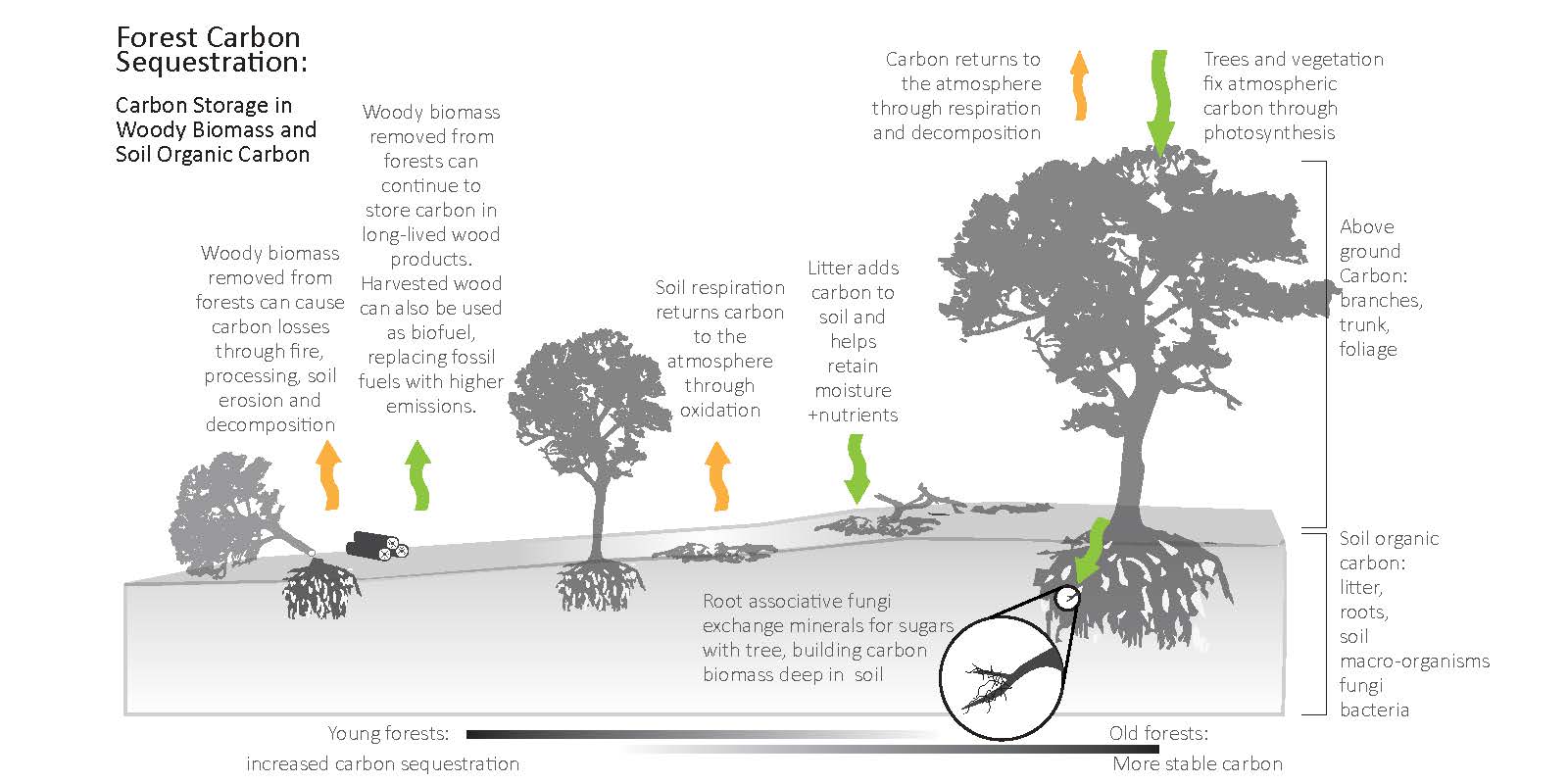
This project involves analyzing how various ecosystems, such as forests, wetlands, and grasslands, store carbon. You will measure carbon sequestration rates and compare the results to determine which ecosystem is most effective in mitigating climate change. This study highlights the importance of preserving diverse ecosystems for carbon storage.

Carbon Sequestration Comparison of Different Ecosystems

Hypothesis

If we measure carbon sequestration rates in different ecosystems, then forests will show the highest rates compared to wetlands and grasslands.

Materials Needed

carbon measuring kit1Buy
ruler1Buy
tape measure1Buy
data recording sheets5Buy
calculator1Buy

As an Amazon Associate, this site earns from qualifying purchases.

Step-by-Step Procedure

  1. 1

    Identify three different ecosystems to study (e.g., forest, wetland, grassland).

  2. 2

    Select representative plots in each ecosystem.

  3. 3

    Measure the diameter and height of trees or plants in each plot.

  4. 4

    Use the carbon measuring kit to estimate carbon stored in biomass.

  5. 5

    Record your data meticulously.

  6. 6

    Calculate the total carbon sequestration for each ecosystem.

  7. 7

    Analyze the results and compare the effectiveness of each ecosystem.

  8. 8

    Prepare a presentation summarizing your findings.

Expected Results

You will likely find that forests sequester more carbon than grasslands or wetlands, highlighting their role in carbon storage.

Variables

Independent Variable

type of ecosystem

Dependent Variable

carbon sequestration rate

Controlled Variables

size of plots, measuring methods, weather conditions

Safety Notes

Be aware of local flora and fauna; wear appropriate clothing and gear for outdoor activities.

Presentation Tips

  • Create charts comparing carbon sequestration rates.

  • Include aerial photos or maps of the ecosystems studied.

  • Discuss the implications of your findings on climate policy.

  • Engage the audience with interactive elements (like samples).

Frequently Asked Questions

Like this project? Get more ideas!