Science Fair Projects
earth scienceeasy elementary 4 days

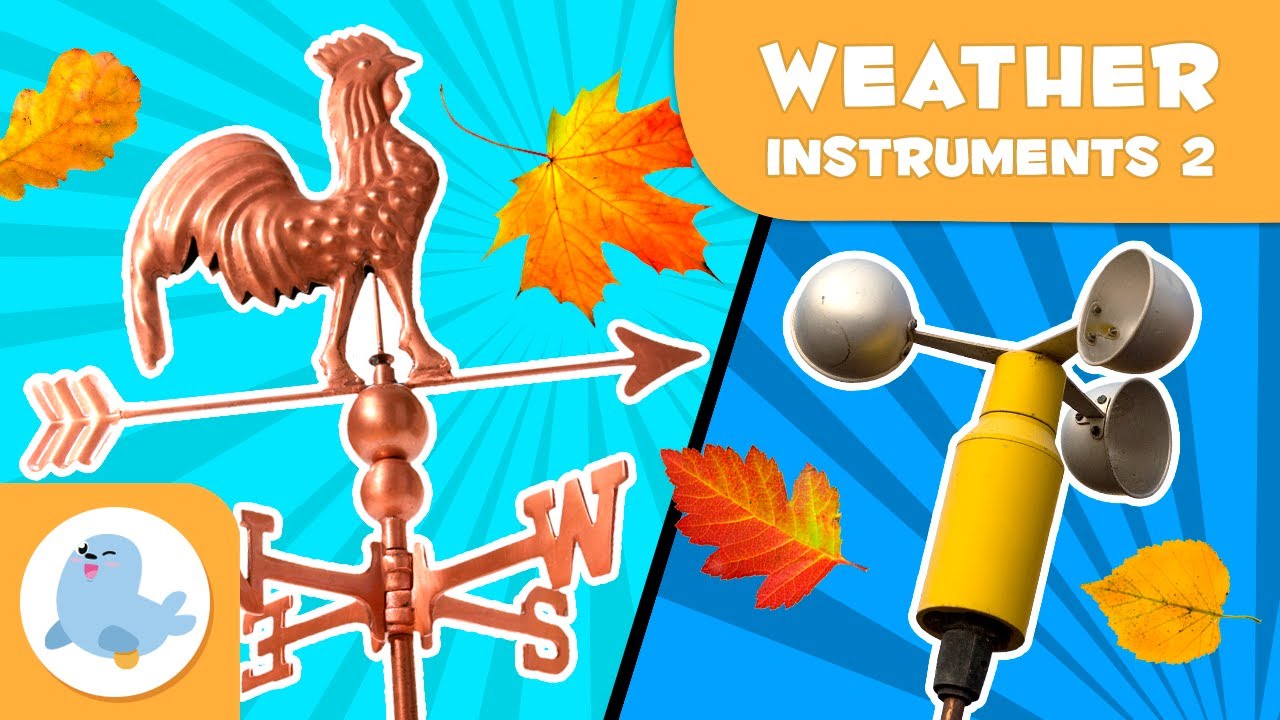
Building a Working Weather Vane and Anemometer Science Project

Create your own weather vane to determine wind direction and an anemometer to measure wind speed. This project combines fun with practical learning about weather.

Building a Working Weather Vane and Anemometer Science Project

Hypothesis

If I build a weather vane and anemometer, then I will be able to accurately measure wind direction and speed.

Materials Needed

Plastic straw — 1Buy
Cardboard — 1 pieceBuy
Cup — 1Buy
Pin — 1Buy
Tape — 1 rollBuy
Marker — 1Buy
Ruler — 1Buy
Scissors — 1Buy

As an Amazon Associate, this site earns from qualifying purchases.

Step-by-Step Procedure

  1. 1

    Cut the cardboard to create a base for the anemometer.

  2. 2

    Attach the cup to the end of the straw using tape.

  3. 3

    Insert the straw into the center of the cardboard base.

  4. 4

    Create an arrow shape with cardboard for the weather vane.

  5. 5

    Attach the arrow to the straw, ensuring it can rotate freely.

  6. 6

    Mark the cardinal directions on the base.

  7. 7

    Place the weather vane outside on a calm day to test.

  8. 8

    Record the wind direction and speed using your anemometer.

Expected Results

The weather vane should accurately point in the direction of the wind, and the anemometer should measure wind speed, demonstrating basic meteorological principles.

Variables

Independent Variable

Wind speed and direction

Dependent Variable

Accuracy of measurements

Controlled Variables

Location of testing, Time of day, Weather conditions

Safety Notes

Be careful when using scissors, and ensure the weather vane is securely attached.

Presentation Tips

  • Use visuals to show how the instruments work.

  • Explain the significance of wind direction and speed in weather prediction.

  • Incorporate a live demonstration if possible.

  • Engage the audience with questions about their weather experiences.

Frequently Asked Questions

How does a weather vane work?

A weather vane spins to align itself with the wind direction, indicating where the wind is coming from.

What is an anemometer used for?

An anemometer measures wind speed, helping us understand weather conditions.

Can I use other materials?

Yes, feel free to be creative with materials for your projects!

Related Projects

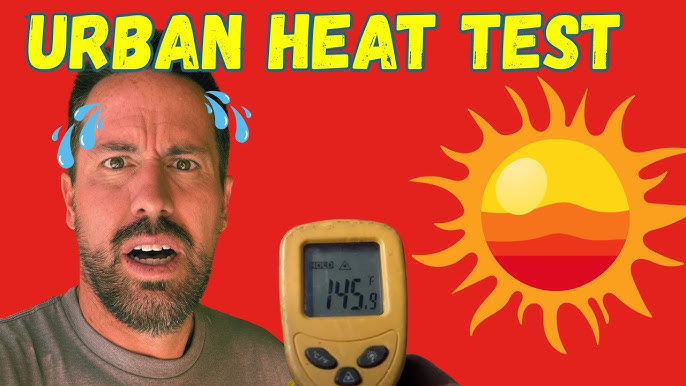
Analyzing the Role of Vegetation in Urban Heat Islands
earth sciencehard

Analyzing the Role of Vegetation in Urban Heat Islands

This project investigates how vegetation influences temperature in urban heat islands. By comparing areas with varying plant cover, students can assess the cooling effects of vegetation.

30 days·high
Animal Habitats Diorama Science Project - Explore Different Ecosystems
earth scienceeasy

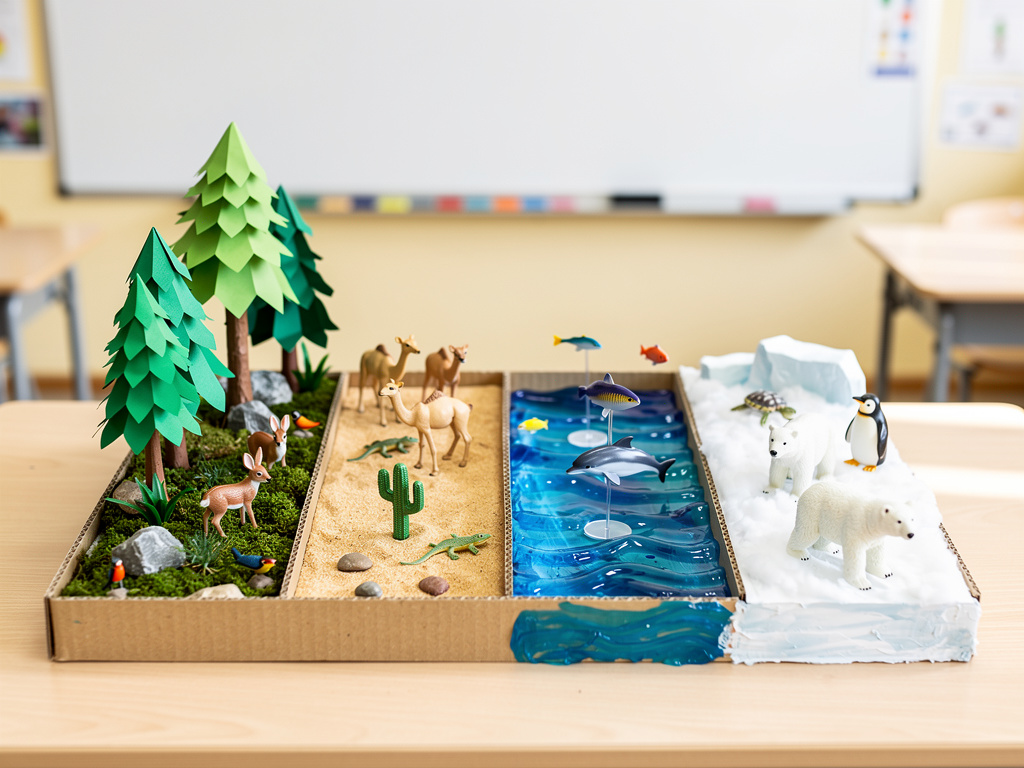
Animal Habitats Diorama Science Project - Explore Different Ecosystems

In this diorama project, students can explore various animal habitats. By creating a 3D model, they will learn about different ecosystems, the animals that live there, and their adaptations.

7 days·elementary
Aquatic Echoes: Impact of Ocean Acidification on Sound Propagation
earth sciencehard

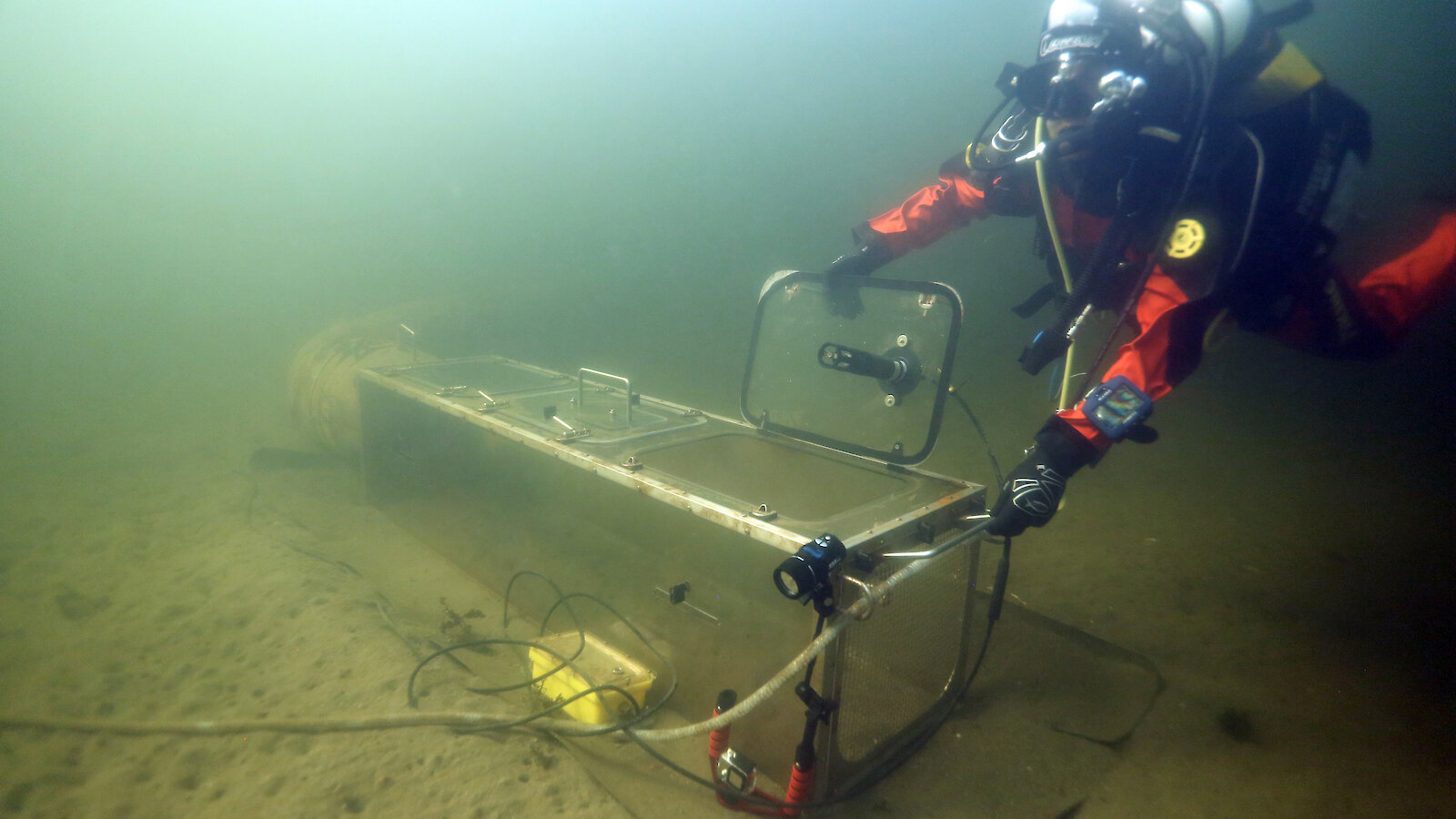
Aquatic Echoes: Impact of Ocean Acidification on Sound Propagation

This project explores the effects of ocean acidification on how sound travels underwater. By simulating different pH levels and measuring sound speed, students will understand the environmental implications of changing ocean chemistry.

25 days·high
Biodegradable vs Plastic Decomposition Rates Science Project
earth sciencemedium

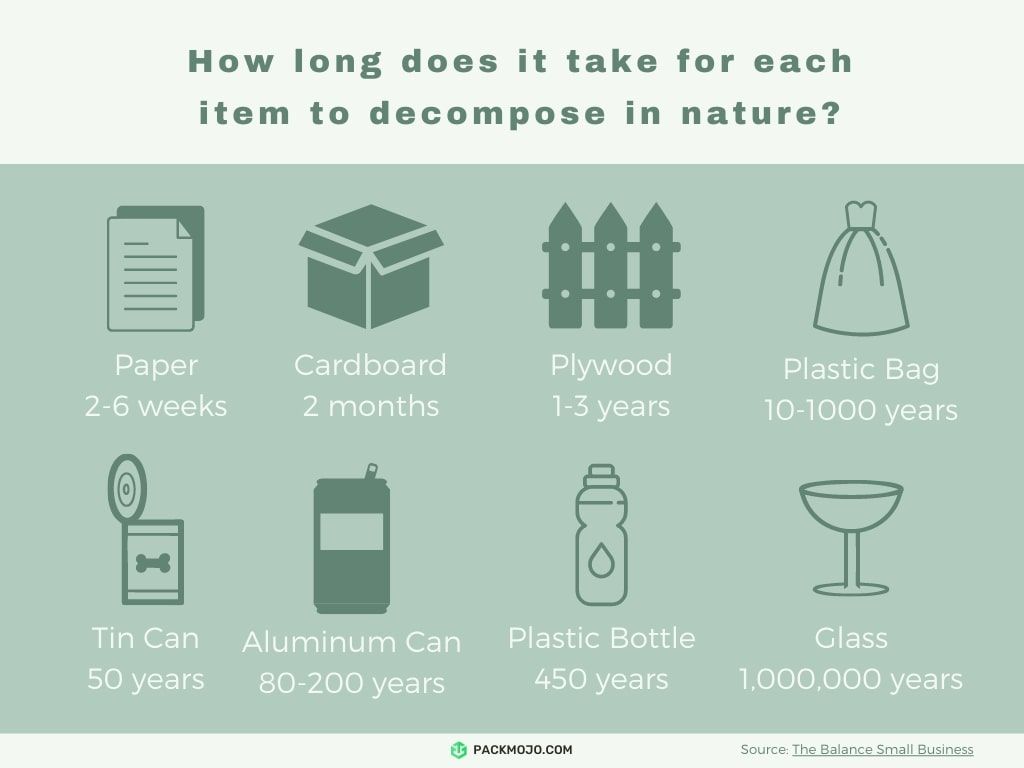
Biodegradable vs Plastic Decomposition Rates Science Project

In this project, you'll compare how long biodegradable materials take to decompose versus plastic. This will shed light on pollution and waste management challenges.

10 days·middle
Biofuels Science Fair Project: Fuel Efficiency Comparison
earth sciencehard

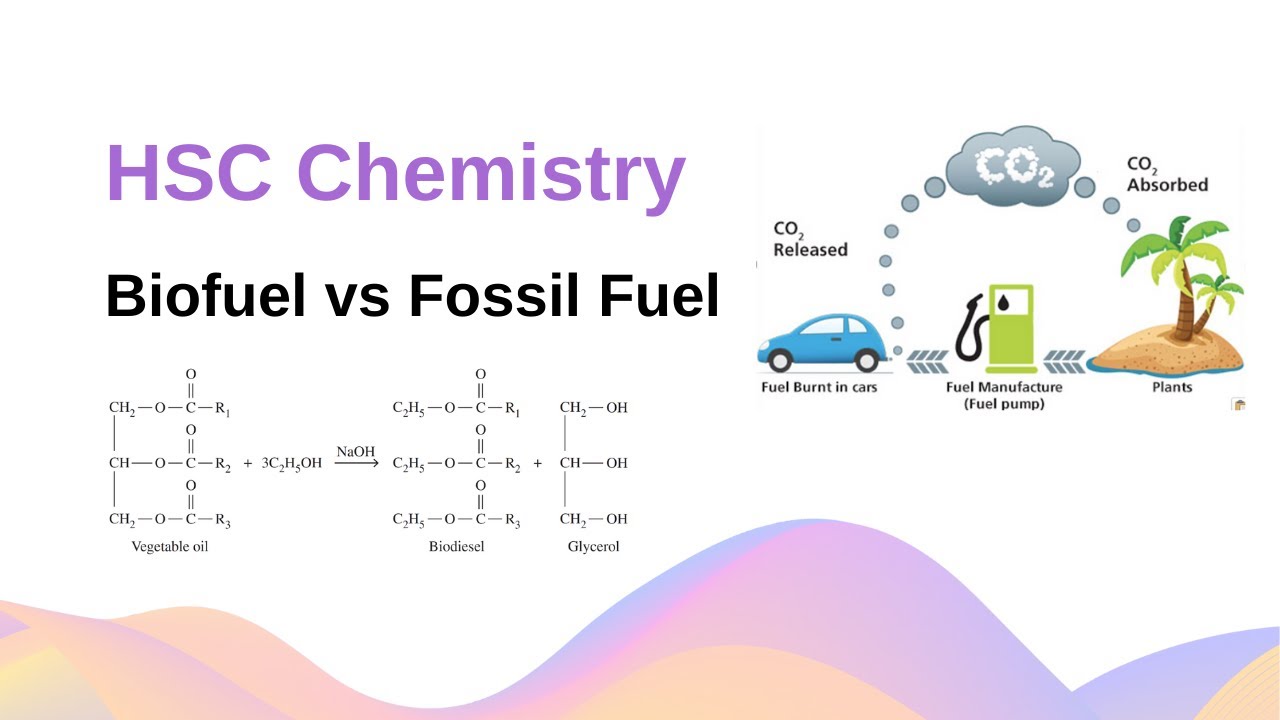
Biofuels Science Fair Project: Fuel Efficiency Comparison

This project compares the fuel efficiency of various biofuels, such as ethanol and biodiesel. Students will conduct experiments to measure energy output and sustainability, aligning with current environmental challenges.

10 days·high
Bioremediation: Can Plants Clean Contaminated Soil Science Project
earth sciencehard

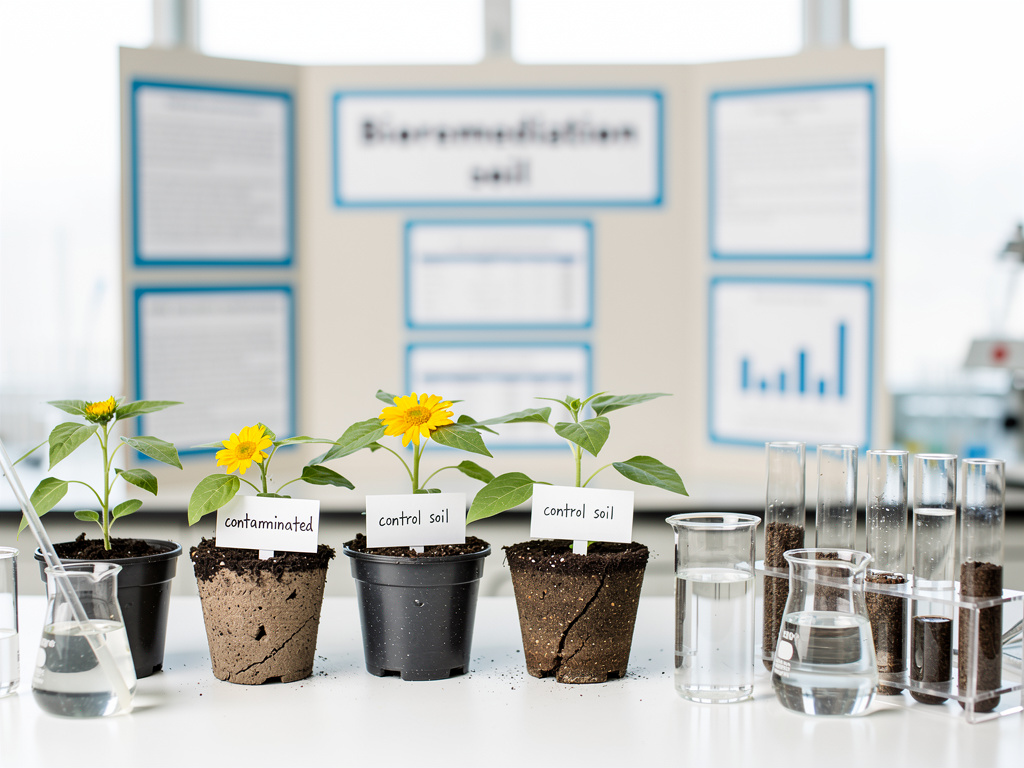
Bioremediation: Can Plants Clean Contaminated Soil Science Project

Explore the potential of plants to remediate contaminated soil. Conduct experiments to determine how effective certain plants are at absorbing pollutants!

14 days·high

Like this project? Get more ideas!