Science Fair Projects
physicshard high 10 days

Building a Cloud Chamber to Detect Cosmic Rays

Construct a dry-ice cloud chamber to visualize cosmic ray tracks. Analyze how different altitudes or shielding levels affect the visibility of these tracks.

Building a Cloud Chamber to Detect Cosmic Rays

Hypothesis

If a cloud chamber is used at different altitudes or shielding levels, then the number of visible cosmic ray tracks will vary.

Materials Needed

Clear plastic or glass container — 1Buy
Dry ice — 3-5 kgBuy
Isopropyl alcohol (99%) — 200 mlBuy
Black felt or velvet — 1 pieceBuy
Flashlight — 1Buy
Insulated gloves — 1Buy
Metal plate — 1Buy
Camera — 1Buy
Altitude measuring device — 1Buy
Lead or other shielding material — VariableBuy

As an Amazon Associate, this site earns from qualifying purchases.

Step-by-Step Procedure

  1. 1

    Line the bottom of a clear container with black felt or velvet.

  2. 2

    Pour isopropyl alcohol into the container to saturate the felt.

  3. 3

    Secure the metal plate over a block of dry ice using insulated gloves.

  4. 4

    Place the container upside down on the metal plate.

  5. 5

    Allow the chamber to cool for several minutes until a mist forms inside.

  6. 6

    Use a flashlight to illuminate the chamber and observe for tracks.

  7. 7

    Record the number and type of tracks seen at your current altitude.

  8. 8

    Repeat the experiment at different altitudes or with shielding.

  9. 9

    Document the differences in track visibility across conditions.

  10. 10

    Analyze data to determine how altitude or shielding affects track visibility.

  11. 11

    Compare your findings with known data on cosmic ray activity.

  12. 12

    Present your findings in a detailed report.

Expected Results

Cosmic ray tracks should appear as streaks or dots in the cloud chamber. The number of tracks is expected to vary with altitude and shielding levels.

Variables

Independent Variable

Altitude or shielding level

Dependent Variable

Number of cosmic ray tracks

Controlled Variables

Chamber construction, Alcohol type, Observation time

Safety Notes

Handle dry ice with insulated gloves to avoid frostbite. Ensure good ventilation when using isopropyl alcohol.

Presentation Tips

  • Create clear diagrams of the cloud chamber setup.

  • Use videos or photos to show cosmic ray tracks.

  • Explain cosmic rays and their significance in your presentation.

Frequently Asked Questions

What are cosmic rays?

Cosmic rays are high-energy particles from outer space that enter Earth's atmosphere.

Why use dry ice?

Dry ice cools the chamber, helping alcohol vapor to condense and form a cloud where cosmic rays can be seen.

Can I use another material for the chamber?

Yes, as long as it is clear and can withstand cold temperatures without cracking.

Related Projects

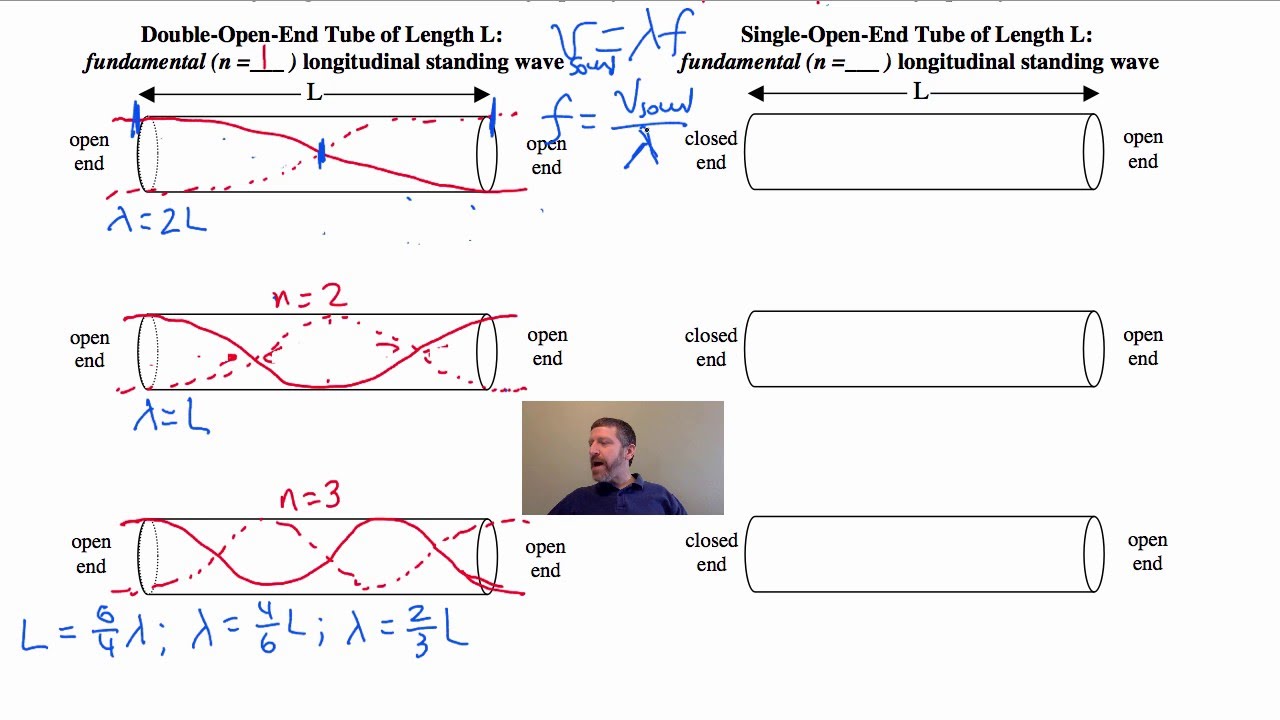
Acoustic Resonance Experiment: Standing Waves in Tubes Science Fair Project
physicsmedium

Acoustic Resonance Experiment: Standing Waves in Tubes Science Fair Project

This experiment allows you to explore sound waves and resonance using tubes. By creating standing waves, you'll visualize how sound behaves in different environments. Perfect for middle school science fairs!

7 days·middle
Analyzing Quantum Tunneling in Semiconductor Devices
physicshard

Analyzing Quantum Tunneling in Semiconductor Devices

This project investigates quantum tunneling phenomena within semiconductor devices. Students will measure how electrons traverse energy barriers and analyze how this impacts device efficiency.

25 days·high
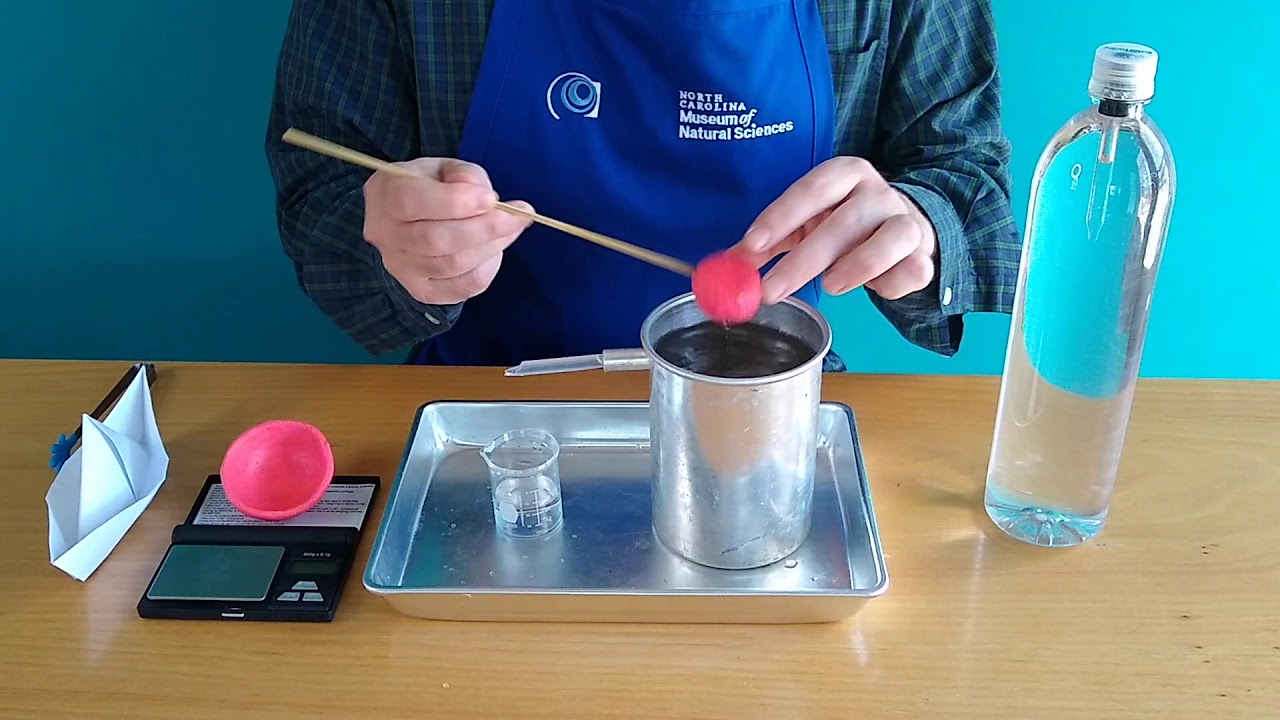
Archimedes' Principle: Testing Buoyancy with Different Objects
physicsmedium

Archimedes' Principle: Testing Buoyancy with Different Objects

This project allows students to test various objects for buoyancy, demonstrating Archimedes' principle. It engages students in hands-on learning about density and displacement.

7 days·middle
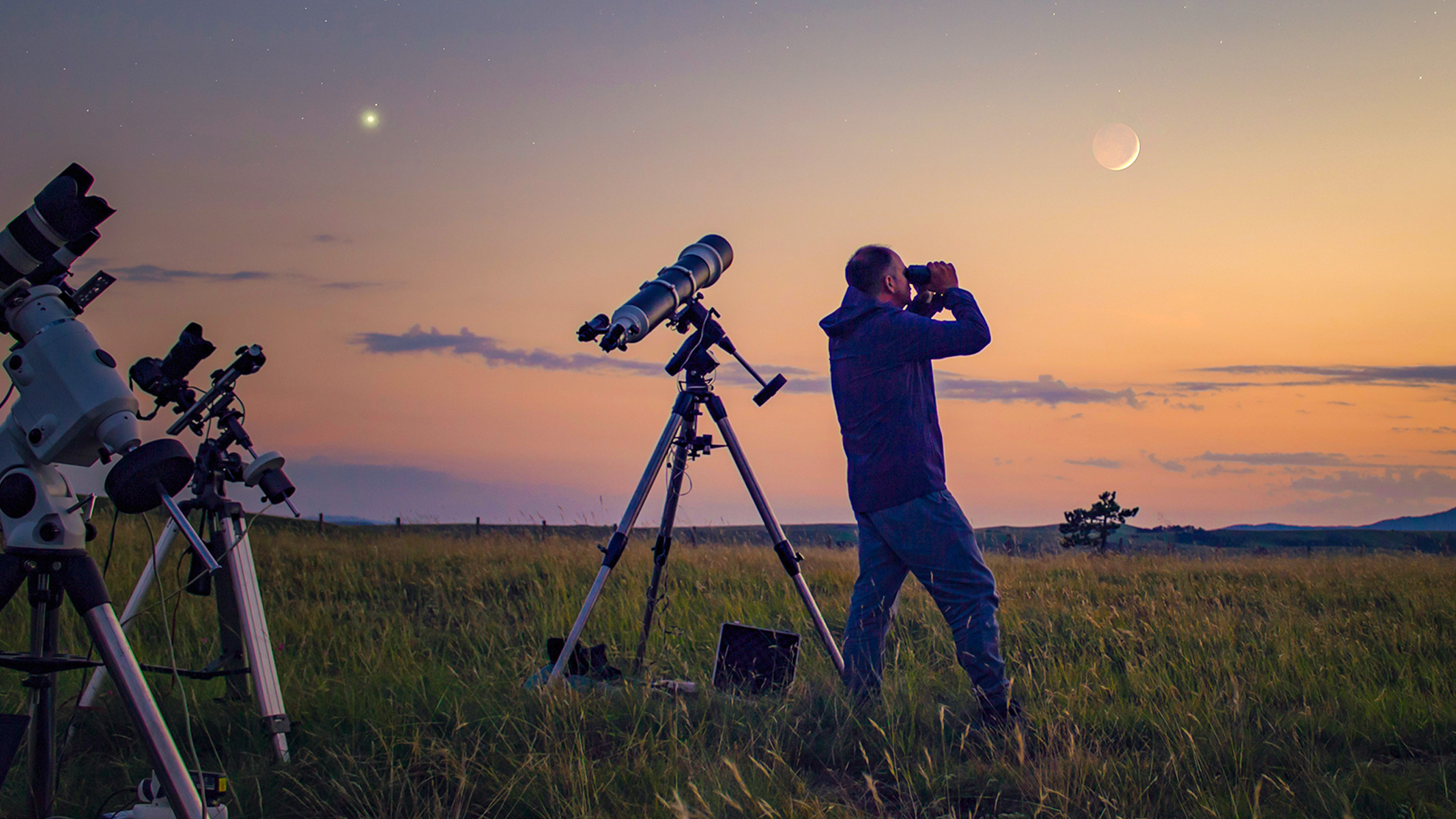
Astronomical Observation - Tracking Planetary Motion
physicsmedium

Astronomical Observation - Tracking Planetary Motion

In this project, you will observe and record the positions of planets in the night sky over a month. By using a telescope or binoculars, you will track their movements, document their position on specific dates, and analyze their orbits to understand celestial mechanics. This project fosters an appreciation of astronomy and the dynamics of our solar system.

14 days·high
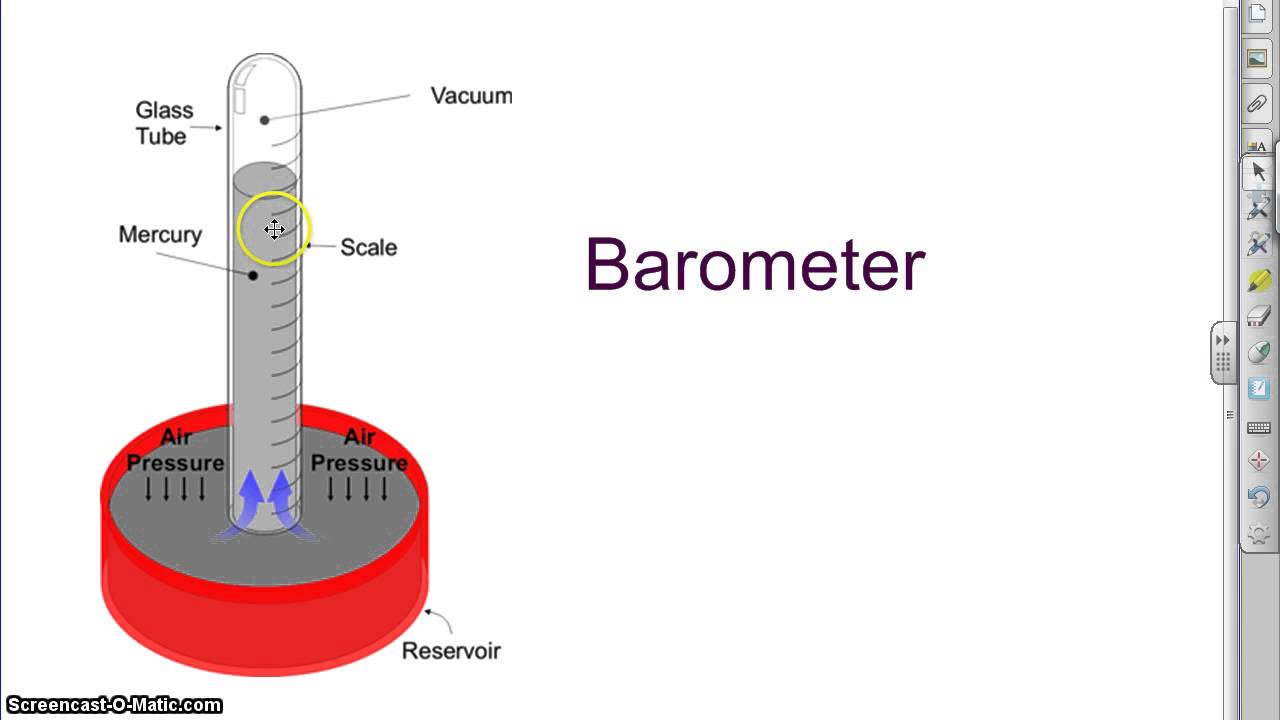
Atmospheric Pressure and Weather Patterns Analysis
physicsmedium

Atmospheric Pressure and Weather Patterns Analysis

This project investigates how changes in atmospheric pressure correlate with weather conditions. By using a barometer to measure pressure and recording local weather patterns over a week, you will analyze the data to determine relationships and predict weather changes. This project emphasizes the importance of atmospheric science in understanding our climate.

7 days·middle
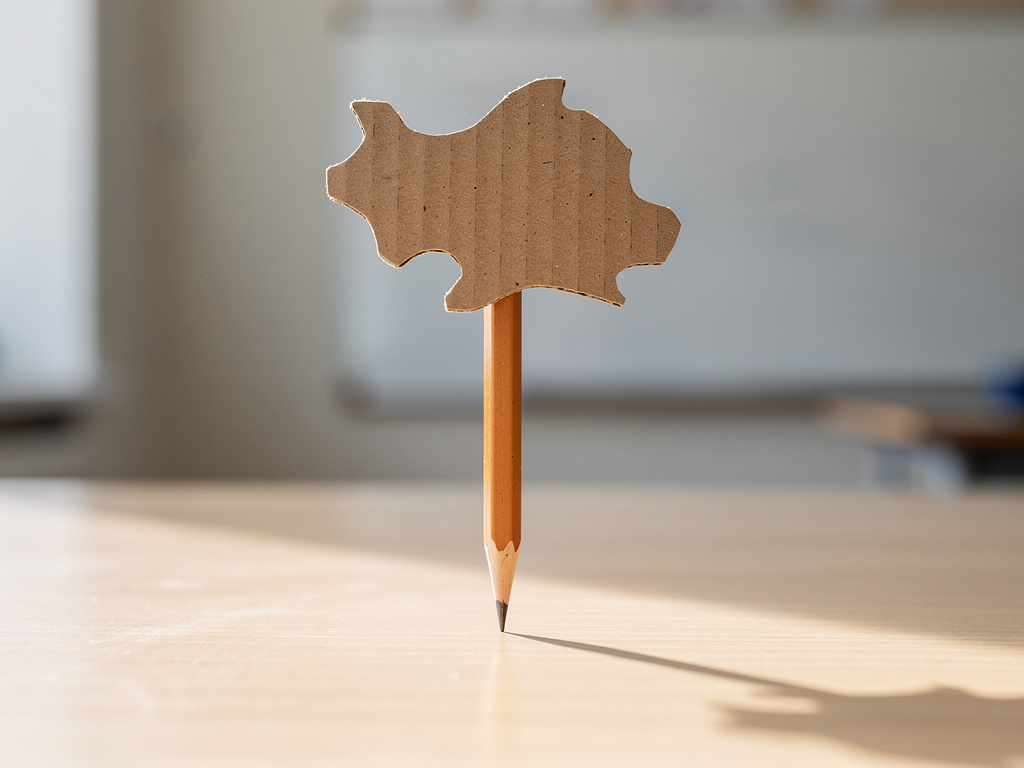
Balancing Act: Finding the Center of Gravity of Irregular Shapes
physicseasy

Balancing Act: Finding the Center of Gravity of Irregular Shapes

Discover how to find the center of gravity by balancing cardboard cutouts of irregular shapes on a pencil point. This project explores how different shapes distribute weight and balance.

2 days·elementary

Like this project? Get more ideas!