Science Fair Projects
physicsmedium middle 7 days

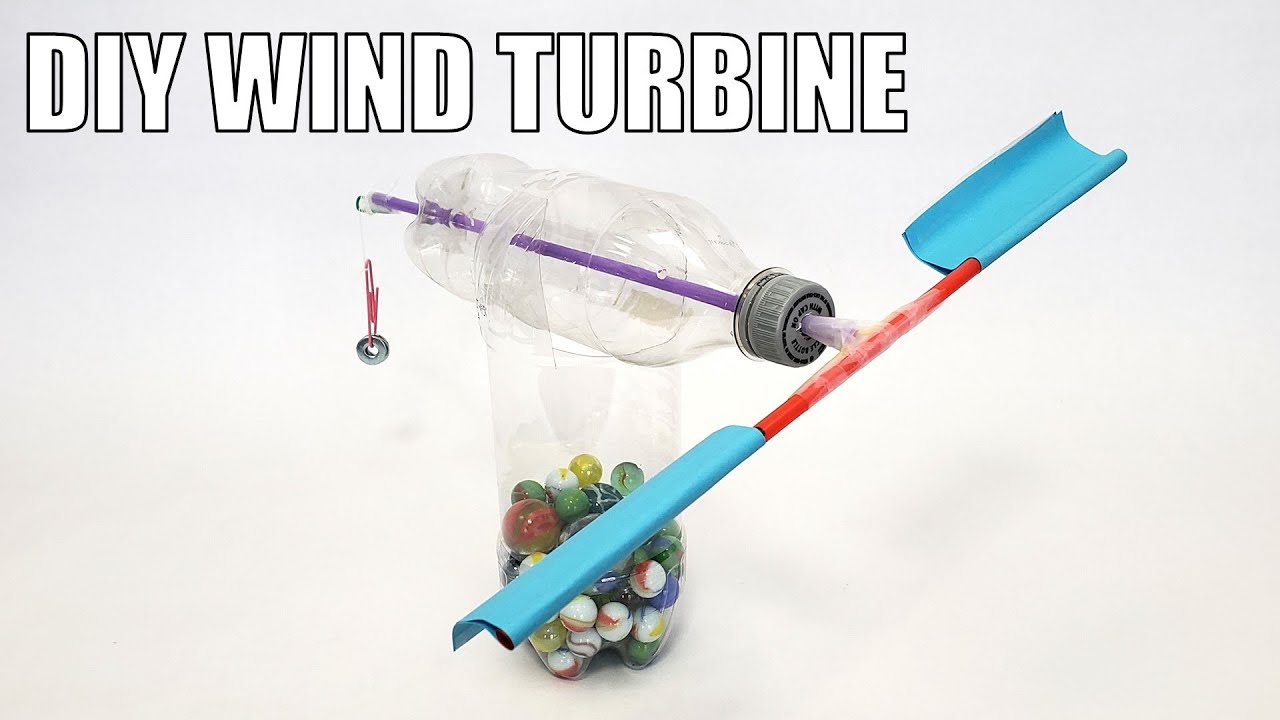
Building a Working Model Wind Turbine

This project involves constructing a working model wind turbine to demonstrate the principles of renewable energy generation and aerodynamics. Students will learn how wind energy can be harnessed and converted into electricity while exploring design factors that enhance efficiency.

Building a Working Model Wind Turbine

Hypothesis

A turbine blade design with a wider surface area will generate more energy than one with a narrower design.

Materials Needed

plastic bottle — 1Buy
small motor — 1Buy
LED light — 1Buy
wooden dowels — 3Buy
cardboard for blades — 1 sheetBuy
glue — as neededBuy

As an Amazon Associate, this site earns from qualifying purchases.

Step-by-Step Procedure

  1. 1

    Cut the plastic bottle to create a turbine housing.

  2. 2

    Attach the small motor securely to the bottom.

  3. 3

    Create blades from cardboard and attach them to the motor.

  4. 4

    Connect the LED light to the motor.

  5. 5

    Set up the turbine in a breeze or fan environment.

  6. 6

    Test the turbine to see if it generates light.

  7. 7

    Experiment with different blade shapes and angles.

  8. 8

    Record the results of each variation.

  9. 9

    Analyze which design was the most effective.

  10. 10

    Prepare a report on your findings and turbine design.

Expected Results

The wind turbine should successfully power the LED light, with variations in blade design affecting the amount of energy generated.

Variables

Independent Variable

design of the turbine blades

Dependent Variable

amount of energy produced (powering the LED)

Controlled Variables

wind speed, motor type, size of turbine

Safety Notes

Handle tools with care while constructing the turbine. Ensure all electronic components are securely attached.

Presentation Tips

  • Demonstrate the turbine in action.

  • Use visuals to explain energy conversion.

  • Discuss renewable energy benefits and applications.

  • Engage the audience with questions about future energy solutions.

  • Highlight any modifications made during the project.

Frequently Asked Questions

How does a wind turbine generate electricity?

It converts kinetic energy from wind into mechanical energy, which then powers the generator.

What are the best materials for making turbine blades?

Lightweight, durable materials like plastic or fiberglass are ideal.

Can I scale this project up?

Yes, larger models can be built for more substantial energy generation.

Related Projects

Acoustic Resonance Experiment: Standing Waves in Tubes Science Fair Project
physicsmedium

Acoustic Resonance Experiment: Standing Waves in Tubes Science Fair Project

This experiment allows you to explore sound waves and resonance using tubes. By creating standing waves, you'll visualize how sound behaves in different environments. Perfect for middle school science fairs!

7 days·middle
Analyzing Quantum Tunneling in Semiconductor Devices
physicshard

Analyzing Quantum Tunneling in Semiconductor Devices

This project investigates quantum tunneling phenomena within semiconductor devices. Students will measure how electrons traverse energy barriers and analyze how this impacts device efficiency.

25 days·high
Archimedes' Principle: Testing Buoyancy with Different Objects
physicsmedium

Archimedes' Principle: Testing Buoyancy with Different Objects

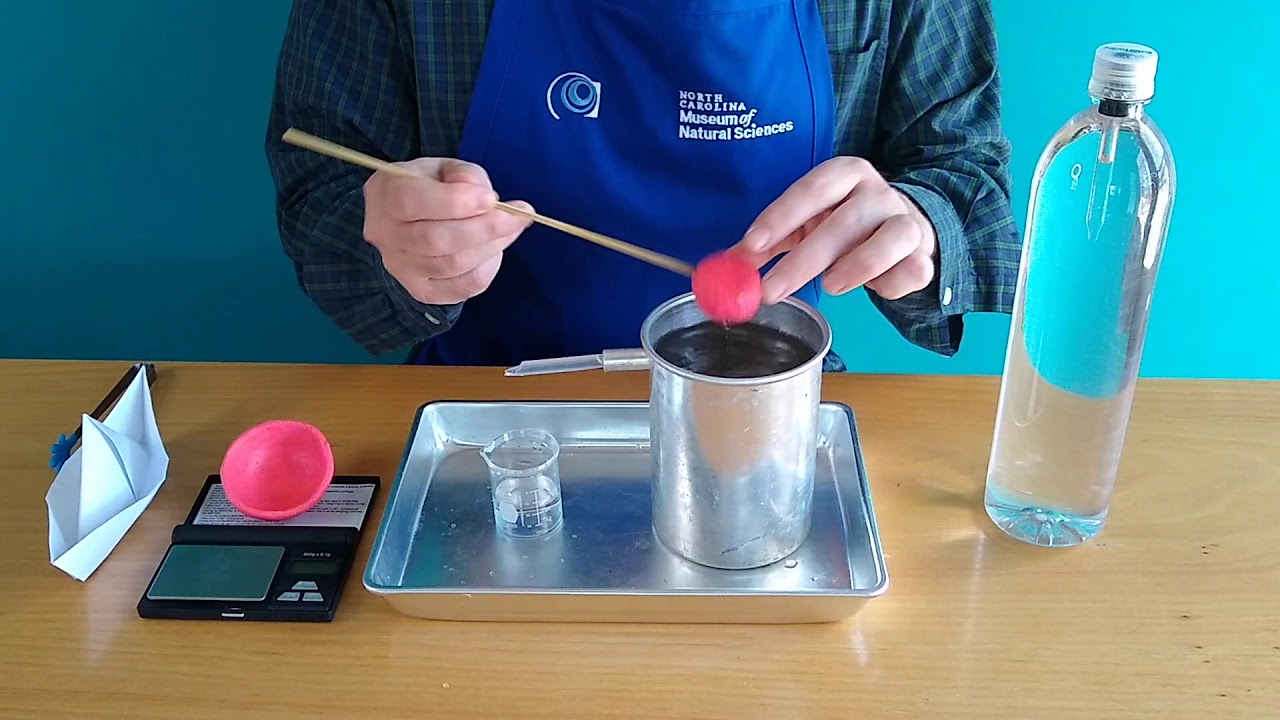
This project allows students to test various objects for buoyancy, demonstrating Archimedes' principle. It engages students in hands-on learning about density and displacement.

7 days·middle
Astronomical Observation - Tracking Planetary Motion
physicsmedium

Astronomical Observation - Tracking Planetary Motion

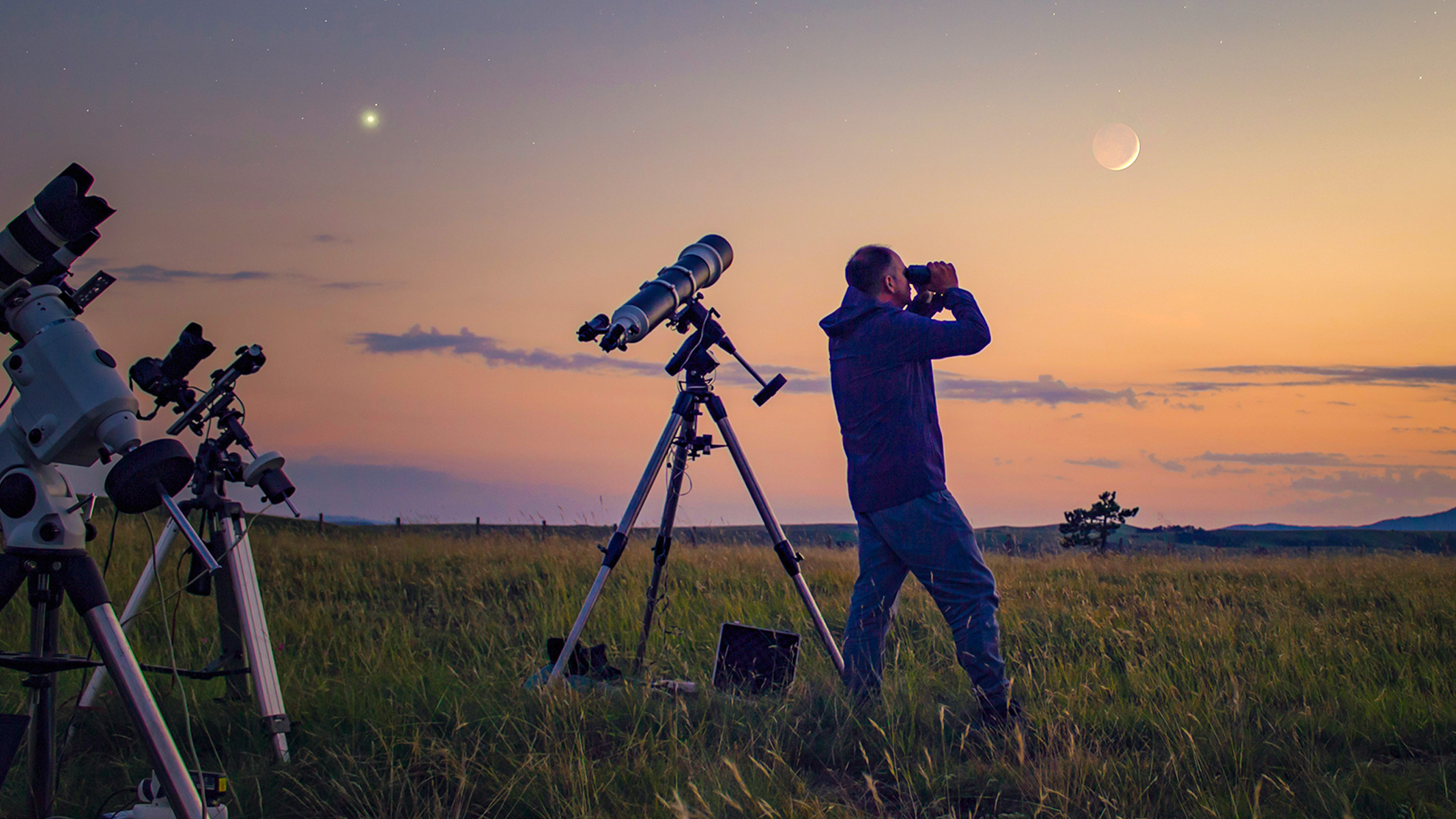
In this project, you will observe and record the positions of planets in the night sky over a month. By using a telescope or binoculars, you will track their movements, document their position on specific dates, and analyze their orbits to understand celestial mechanics. This project fosters an appreciation of astronomy and the dynamics of our solar system.

14 days·high
Atmospheric Pressure and Weather Patterns Analysis
physicsmedium

Atmospheric Pressure and Weather Patterns Analysis

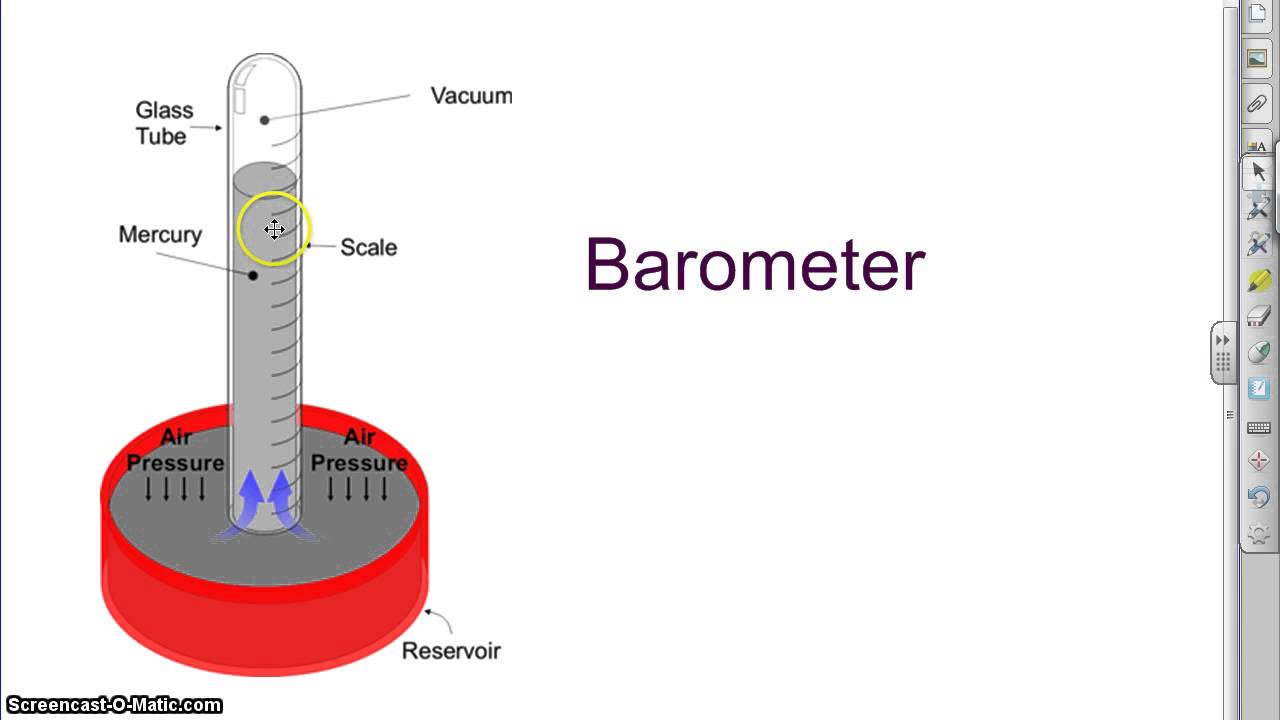
This project investigates how changes in atmospheric pressure correlate with weather conditions. By using a barometer to measure pressure and recording local weather patterns over a week, you will analyze the data to determine relationships and predict weather changes. This project emphasizes the importance of atmospheric science in understanding our climate.

7 days·middle
Balancing Act: Finding the Center of Gravity of Irregular Shapes
physicseasy

Balancing Act: Finding the Center of Gravity of Irregular Shapes

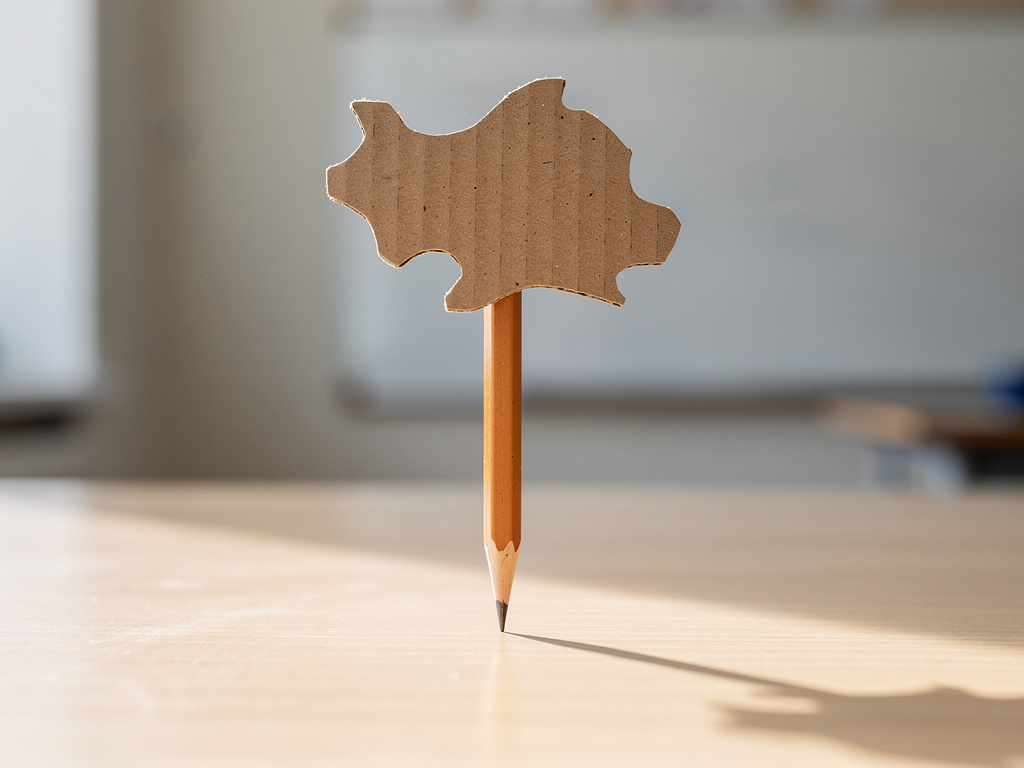
Discover how to find the center of gravity by balancing cardboard cutouts of irregular shapes on a pencil point. This project explores how different shapes distribute weight and balance.

2 days·elementary

Like this project? Get more ideas!