Science Fair Projects
physicsmedium middle 7 days

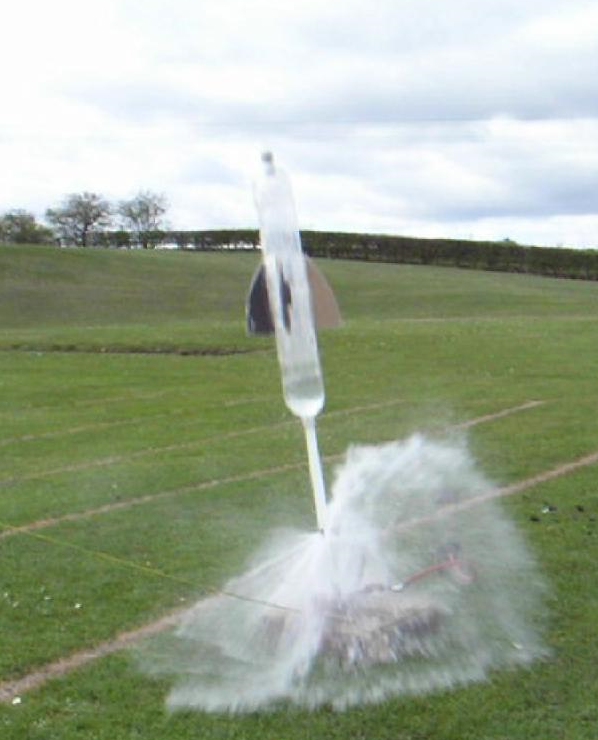
Building a Water Rocket - Pressure and Propulsion Physics

This project focuses on the physics of pressure and propulsion by constructing a water rocket. Students will explore how different amounts of water and air pressure affect the distance and height the rocket travels when launched. This hands-on experiment reinforces physics concepts through real-world application.

Building a Water Rocket - Pressure and Propulsion Physics

Hypothesis

Increasing the amount of water in the rocket will lead to a higher launch height.

Materials Needed

plastic soda bottle1Buy
water500 mLBuy
bike pump with nozzle1Buy
stopwatch1Buy
measuring cup1Buy
launch pad (e.g., cardboard)1Buy

As an Amazon Associate, this site earns from qualifying purchases.

Step-by-Step Procedure

  1. 1

    Prepare the soda bottle by filling it with a specific amount of water.

  2. 2

    Attach the bike pump nozzle securely to the bottle.

  3. 3

    Place the bottle upside down on the launch pad.

  4. 4

    Pump air into the bottle to increase the pressure.

  5. 5

    Release the bottle to launch the rocket.

  6. 6

    Measure the height reached using the stopwatch.

  7. 7

    Repeat the experiment with varying amounts of water.

  8. 8

    Record the height for each trial.

  9. 9

    Analyze the correlation between water volume and launch height.

  10. 10

    Draw conclusions based on the experimental results.

Expected Results

As the amount of water increases, the rocket will reach greater heights due to the increased thrust from the pressure of water expulsion.

Variables

Independent Variable

amount of water in the rocket

Dependent Variable

height reached by the rocket

Controlled Variables

air pressure, rocket design, launch angle

Safety Notes

Wear safety goggles during the launch. Ensure the launch area is free of obstacles and bystanders.

Presentation Tips

  • Demonstrate the rocket launch during your presentation.

  • Use visuals to explain the physics principles involved.

  • Include data tables or graphs from your experiments.

  • Discuss potential applications of propulsion physics.

  • Engage the audience with questions about their experiences with similar projects.

Frequently Asked Questions

Like this project? Get more ideas!