Science Fair Projects
physicsmedium high 1 days

Testing Strength of Different Geometric Shapes in Structures

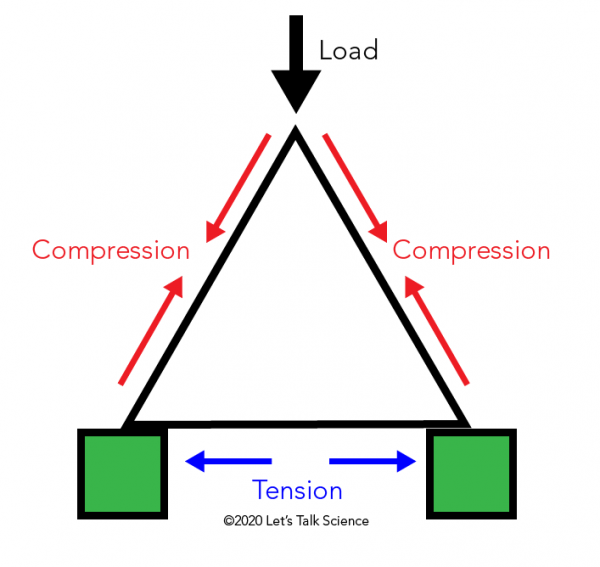
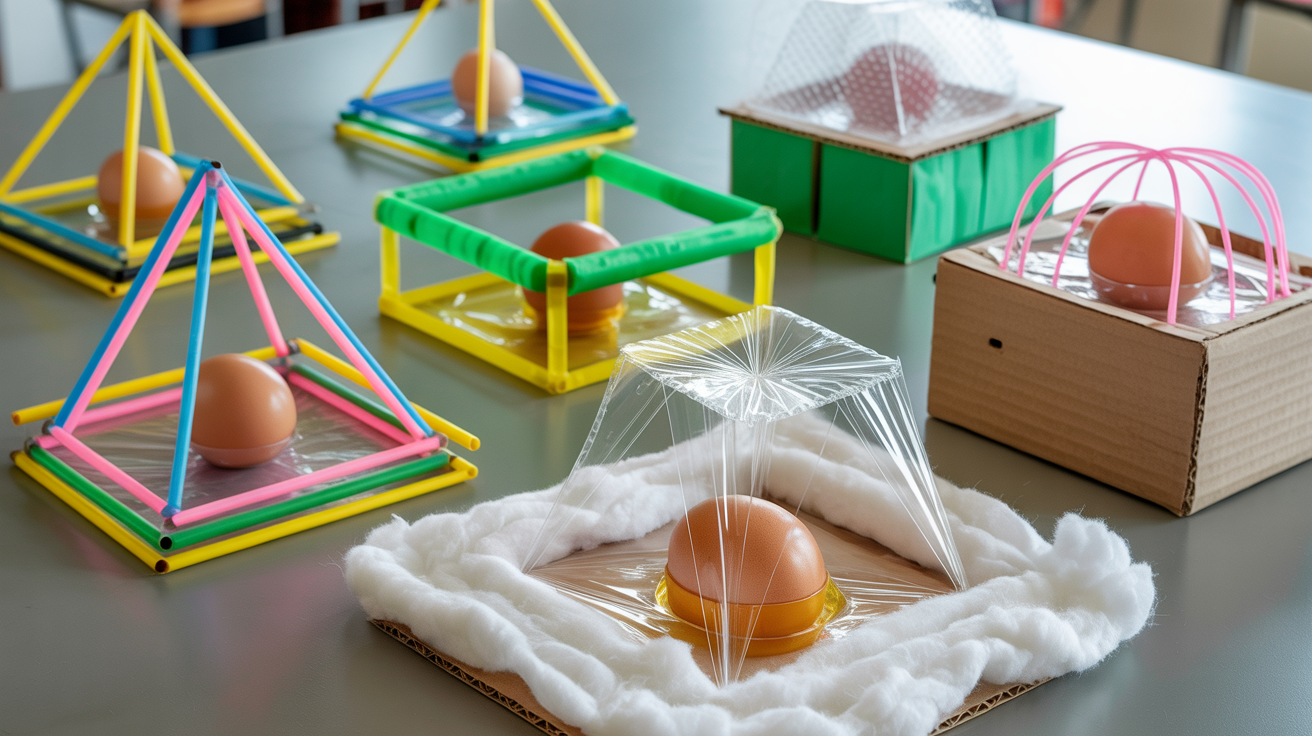
In this practical project, students will construct models of different geometric shapes and test their strength using weights. This experiment will help them understand the principles of structural stability and geometry in architecture. By comparing the strength of various shapes, students will gain insights into engineering design and physics.

Testing Strength of Different Geometric Shapes in Structures

Hypothesis

If I build structures using different geometric shapes, then the triangular shape will support the most weight due to its stability.

Materials Needed

straws30Buy
cardboard base1Buy
weights (coins or small bags)variedBuy
scissors1Buy
ruler1Buy

As an Amazon Associate, this site earns from qualifying purchases.

Step-by-Step Procedure

  1. 1

    Cut straws into equal lengths (about 5 inches).

  2. 2

    Construct various geometric shapes (triangles, squares, etc.) using straws.

  3. 3

    Attach the shapes to a cardboard base securely.

  4. 4

    One at a time, place weights on each structure until it collapses.

  5. 5

    Record the maximum weight each shape can support.

  6. 6

    Compare the results to see which shape was the strongest.

  7. 7

    Discuss the reasons behind the observed strengths and weaknesses.

  8. 8

    Ensure to clean up the materials used after the experiment.

Expected Results

The triangular shapes will likely withstand more weight than square or rectangular shapes, showcasing the concept of structural integrity.

Variables

Independent Variable

Geometric shape used

Dependent Variable

Weight supported before collapse

Controlled Variables

material used for construction, size of shapes, environmental conditions

Safety Notes

Be cautious with scissors when cutting straws.

Presentation Tips

  • Display the structures and their maximum weights visually.

  • Explain the engineering principles behind shape stability.

  • Engage the audience by allowing them to test the structures themselves.

  • Include comparisons to real-world structures.

Frequently Asked Questions

Like this project? Get more ideas!