Science Fair Projects
physicshard high 14 days

Simulating Tidal Patterns with a Wave Tank Model

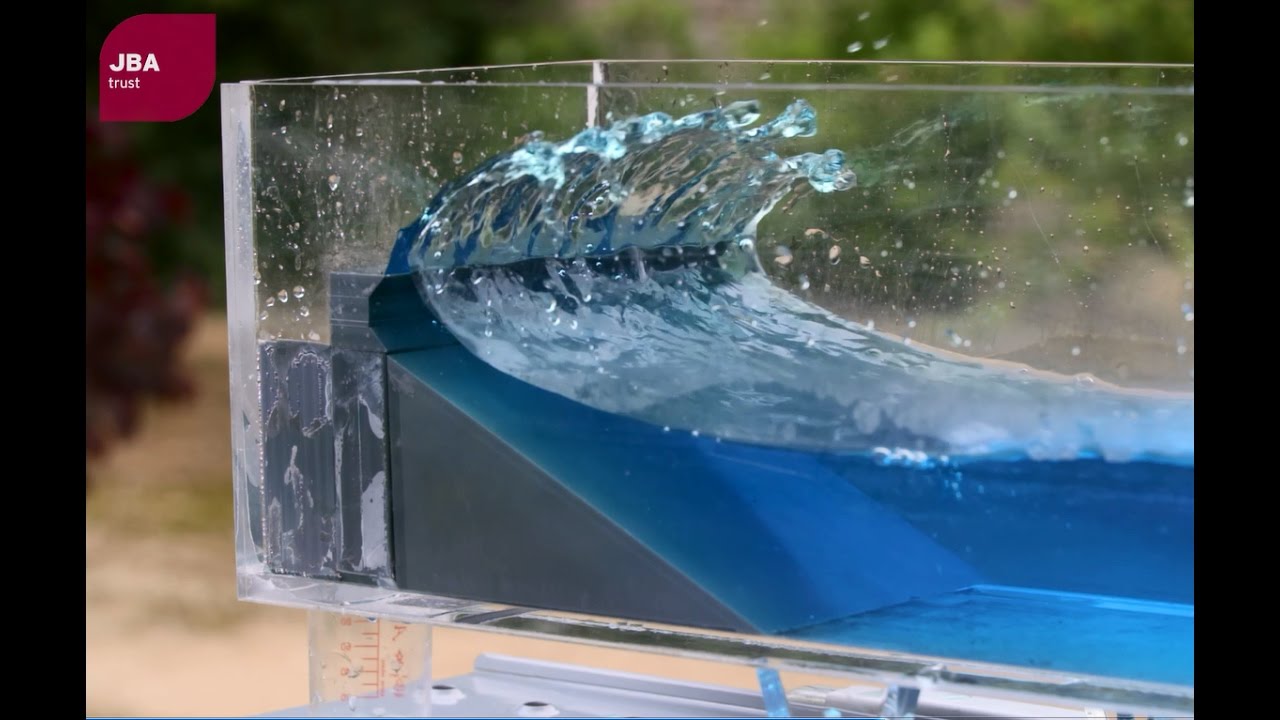
This project involves building a wave tank to simulate tidal patterns. Students will manipulate variables such as water depth and wave frequency to observe how these factors affect the tidal movement, comparing the results to real-world tidal data.

Simulating Tidal Patterns with a Wave Tank Model

Hypothesis

Increasing water depth will create more pronounced tidal patterns in the model.

Materials Needed

large plastic container1Buy
watervariesBuy
wave generator1Buy
measuring tools1 setBuy
timer1Buy

As an Amazon Associate, this site earns from qualifying purchases.

Step-by-Step Procedure

  1. 1

    Construct a wave tank using the plastic container.

  2. 2

    Fill the tank with water to a measured depth.

  3. 3

    Set up the wave generator at one end of the tank.

  4. 4

    Create waves at varying frequencies.

  5. 5

    Measure and record the water levels at intervals.

  6. 6

    Change the depth of the water and repeat the experiments.

  7. 7

    Compare the results with real tidal data.

  8. 8

    Prepare a presentation to showcase your findings.

Expected Results

Water depth and wave frequency significantly influence tidal patterns, reflecting real tidal behaviors.

Variables

Independent Variable

water depth and wave frequency

Dependent Variable

height and frequency of tidal patterns

Controlled Variables

size of tank, water temperature

Safety Notes

Handle electrical equipment with care and ensure that the wave generator is securely placed.

Presentation Tips

  • Use video demonstrations of the wave tank in action.

  • Include graphs showing the relationship between water depth and tidal patterns.

  • Discuss the real-world implications of tidal patterns.

  • Encourage audience interaction by asking them about their experiences with tides.

Frequently Asked Questions

Like this project? Get more ideas!