
Science Fair Projects
physicseasy elementary 2 days

Creating a Simple Parachute: Gravity and Air Resistance

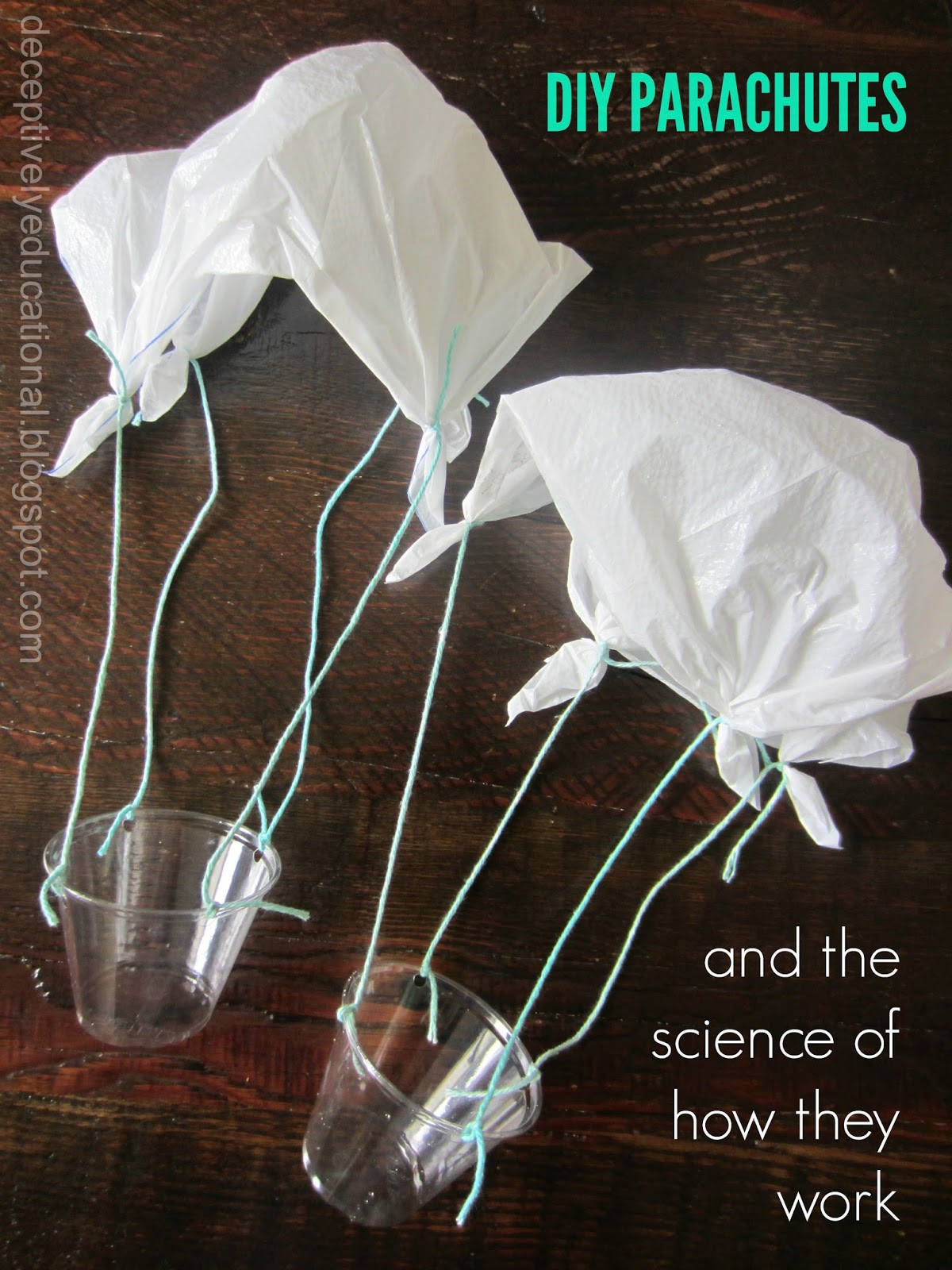
Students will construct a simple parachute to understand the principles of gravity and air resistance. By observing how the parachute falls, they will learn how these forces interact.

Creating a Simple Parachute: Gravity and Air Resistance

Hypothesis

If I drop a homemade parachute, then it will fall slowly due to increased air resistance compared to a free-falling object.

Materials Needed

Plastic bag1Buy
String4Buy
Scissors1Buy
Tape1Buy
Small weight (washer)1Buy
Ruler1Buy

As an Amazon Associate, this site earns from qualifying purchases.

Step-by-Step Procedure

  1. 1

    Cut a square piece from a plastic bag for the parachute canopy.

  2. 2

    Cut four equal lengths of string.

  3. 3

    Tape each string to a corner of the plastic square.

  4. 4

    Tie the other ends of the strings to the small weight.

  5. 5

    Hold the parachute by the canopy and let it drop.

  6. 6

    Observe how the parachute falls compared to a similar weight without a parachute.

  7. 7

    Measure the time it takes to reach the ground.

  8. 8

    Try different canopy sizes and measure the effects.

  9. 9

    Record observations and time for each drop.

  10. 10

    Draw conclusions on how air resistance affects falling speed.

Expected Results

The parachute will descend more slowly than a free-falling object, demonstrating how air resistance works against gravity to slow down the fall.

Variables

Independent Variable

Canopy size

Dependent Variable

Descent time

Controlled Variables

String length, Weight of washer, Release height

Safety Notes

Ensure the drop zone is clear of obstacles and people.

Presentation Tips

  • Use a stopwatch to show precise timing.

  • Create a chart comparing different canopy sizes.

  • Explain the concept of air resistance with everyday examples.

Frequently Asked Questions

Like this project? Get more ideas!