Science Fair Projects
physicsmedium high 10 days

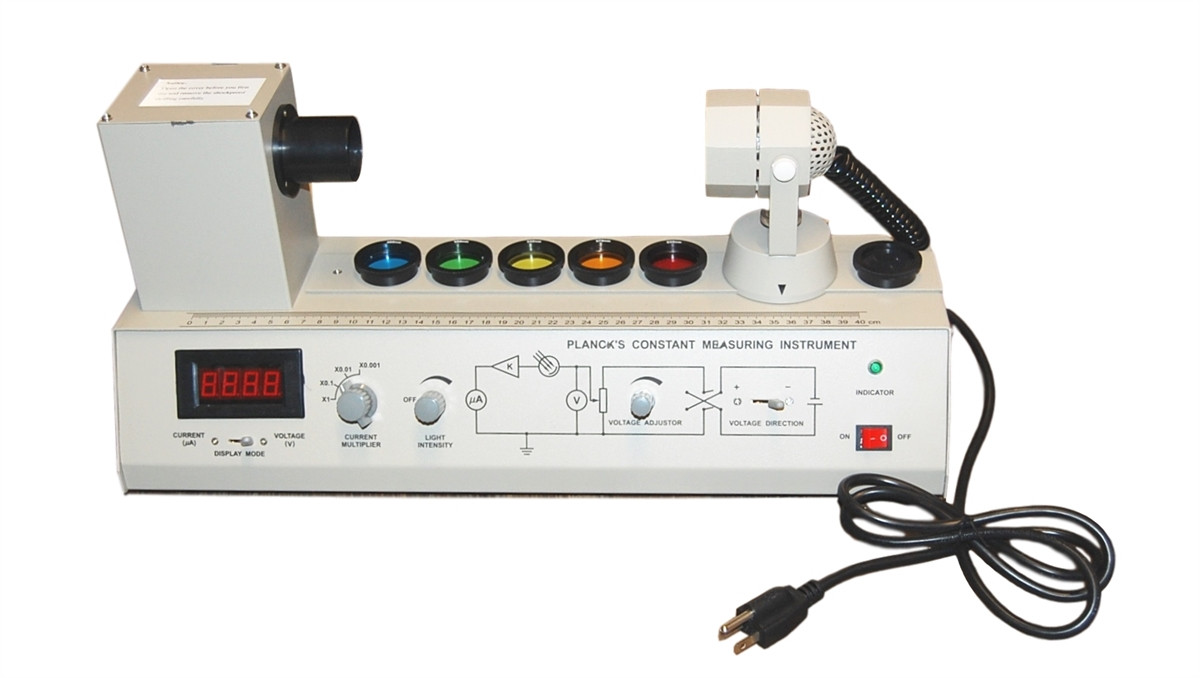
Photoelectric Effect Science Project: A Hands-On Demonstration

Dive into the fascinating world of the photoelectric effect with this hands-on science project. You'll observe how light can release electrons from a metal surface, demonstrating fundamental concepts of quantum physics. Perfect for high school science fair!

Photoelectric Effect Science Project: A Hands-On Demonstration

Hypothesis

If light of different frequencies is used, then the number of electrons emitted from the metal surface will vary.

Materials Needed

Solar cell — 1Buy
LEDs of various colors — 5Buy
Multimeter — 1Buy
Metal plate (copper or aluminum) — 1Buy
Wires — 5Buy
Battery — 1Buy
Dark box (for light isolation) — 1Buy
Tape — 1Buy

As an Amazon Associate, this site earns from qualifying purchases.

Step-by-Step Procedure

  1. 1

    Set up the solar cell in the dark box.

  2. 2

    Connect the multimeter to measure voltage.

  3. 3

    Place the metal plate in front of the solar cell.

  4. 4

    Use various colored LEDs and shine them on the metal plate.

  5. 5

    Record the voltage produced for each LED color.

  6. 6

    Change the distance between the LED and the plate.

  7. 7

    Repeat measurements to ensure accuracy.

  8. 8

    Analyze the data to identify patterns.

Expected Results

It is expected that higher frequency light (blue/violet) will produce more electrons, resulting in higher voltage readings. Lower frequency light will show less effect.

Variables

Independent Variable

Color of light used

Dependent Variable

Voltage measured

Controlled Variables

Distance from light to plate, Type of metal plate, Ambient light conditions

Safety Notes

Handle electrical components carefully to avoid short circuits. Do not look directly into bright LEDs.

Presentation Tips

  • Use clear visuals and graphs to represent data.

  • Include a demonstration video if possible.

  • Practice explaining the physics behind your project.

  • Create a clear, engaging display board.

Frequently Asked Questions

What is the photoelectric effect?

The photoelectric effect is the emission of electrons from a material when it absorbs light.

Why does color matter?

Different colors of light have different frequencies, which affect the energy of the emitted electrons.

What materials are best for this experiment?

Metals like copper or aluminum work best due to their electron emission properties.

Related Projects

Acoustic Resonance Experiment: Standing Waves in Tubes Science Fair Project
physicsmedium

Acoustic Resonance Experiment: Standing Waves in Tubes Science Fair Project

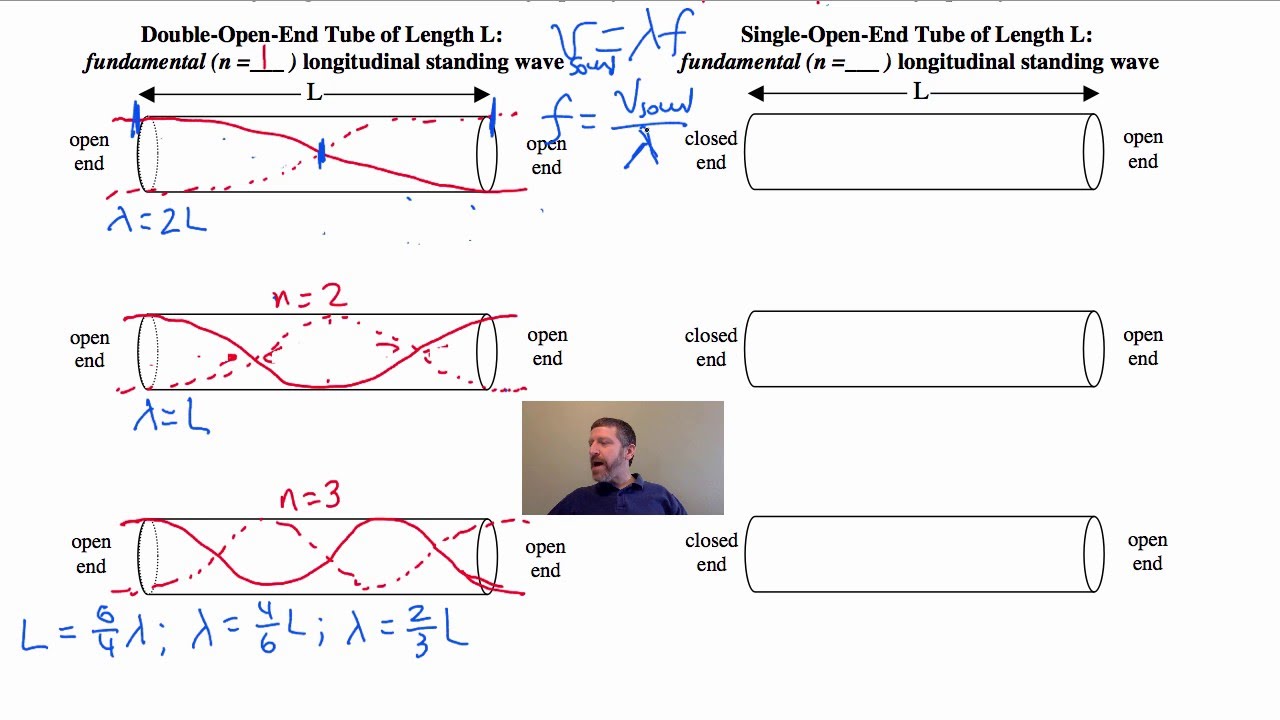
This experiment allows you to explore sound waves and resonance using tubes. By creating standing waves, you'll visualize how sound behaves in different environments. Perfect for middle school science fairs!

7 days·middle
Analyzing Quantum Tunneling in Semiconductor Devices
physicshard

Analyzing Quantum Tunneling in Semiconductor Devices

This project investigates quantum tunneling phenomena within semiconductor devices. Students will measure how electrons traverse energy barriers and analyze how this impacts device efficiency.

25 days·high
Archimedes' Principle: Testing Buoyancy with Different Objects
physicsmedium

Archimedes' Principle: Testing Buoyancy with Different Objects

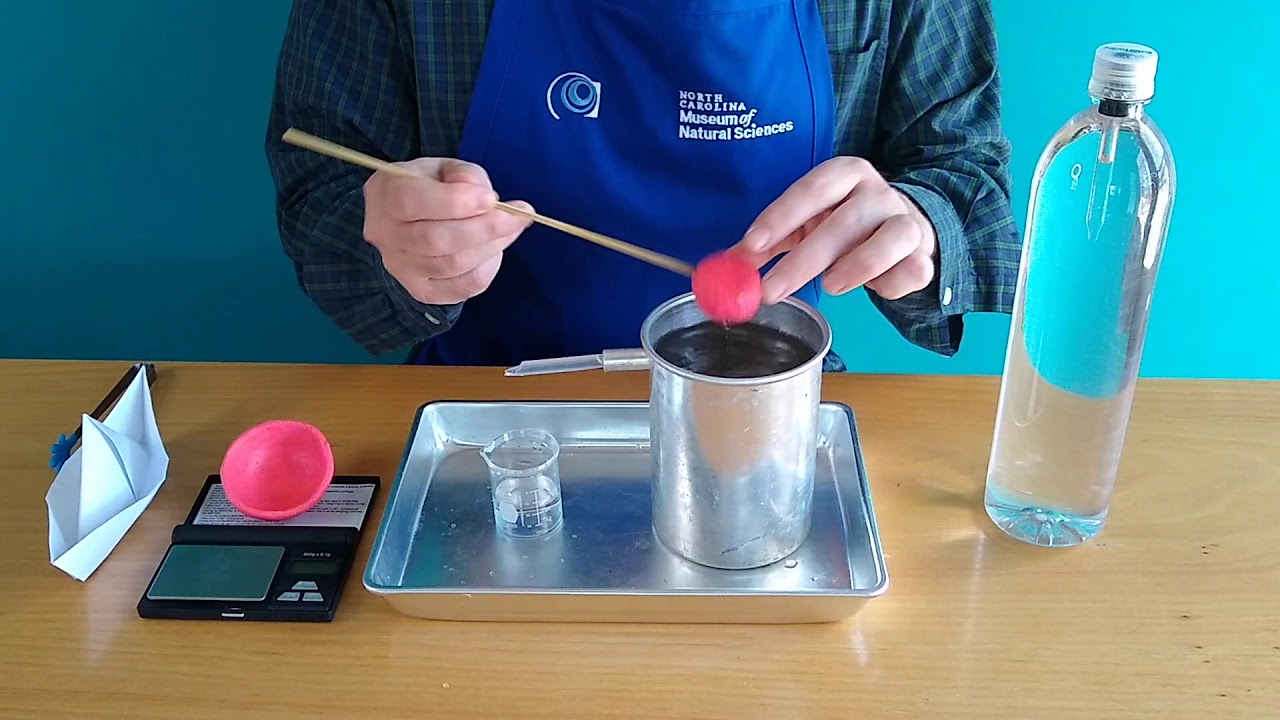
This project allows students to test various objects for buoyancy, demonstrating Archimedes' principle. It engages students in hands-on learning about density and displacement.

7 days·middle
Astronomical Observation - Tracking Planetary Motion
physicsmedium

Astronomical Observation - Tracking Planetary Motion

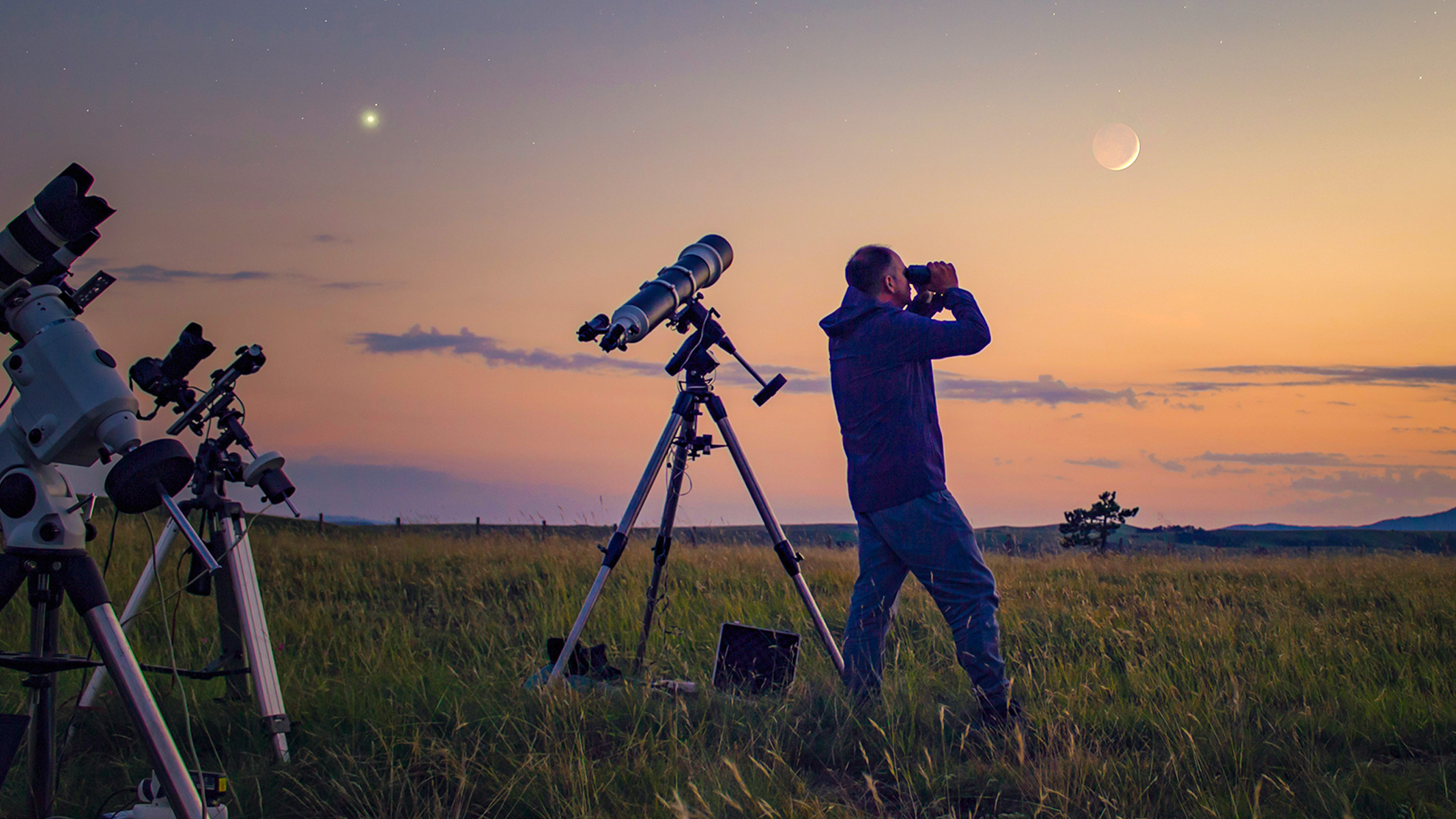
In this project, you will observe and record the positions of planets in the night sky over a month. By using a telescope or binoculars, you will track their movements, document their position on specific dates, and analyze their orbits to understand celestial mechanics. This project fosters an appreciation of astronomy and the dynamics of our solar system.

14 days·high
Atmospheric Pressure and Weather Patterns Analysis
physicsmedium

Atmospheric Pressure and Weather Patterns Analysis

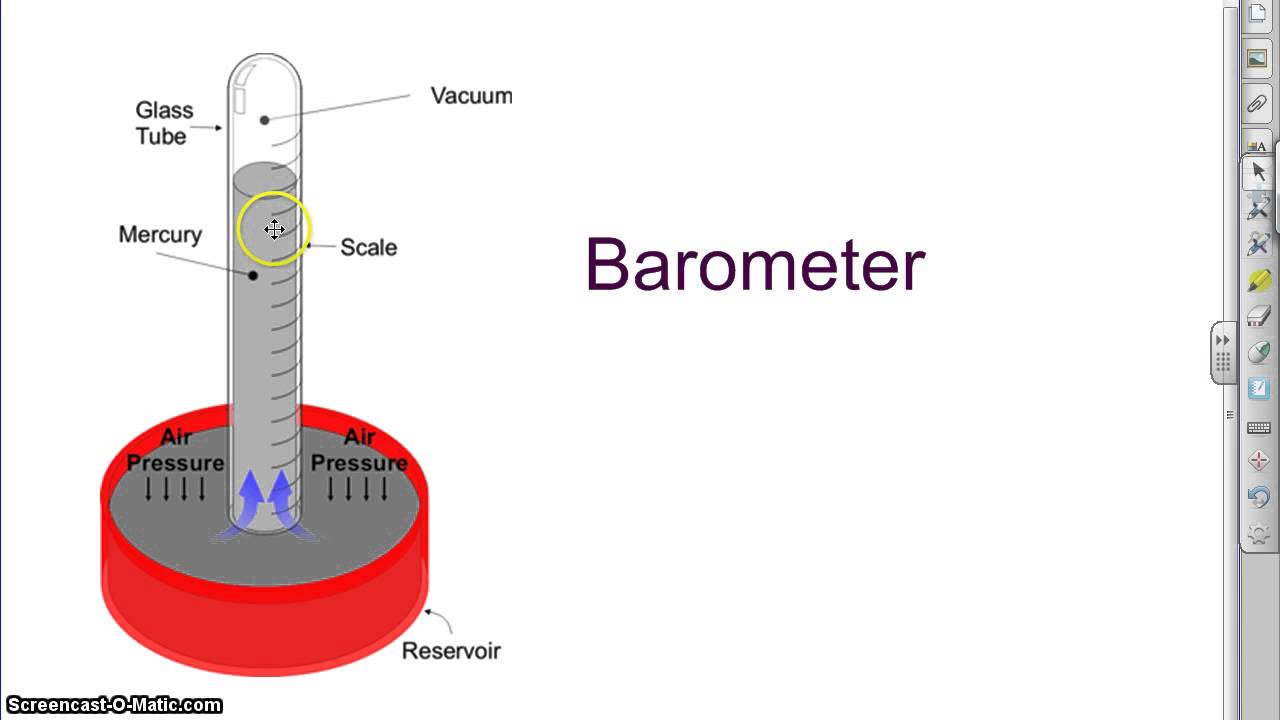
This project investigates how changes in atmospheric pressure correlate with weather conditions. By using a barometer to measure pressure and recording local weather patterns over a week, you will analyze the data to determine relationships and predict weather changes. This project emphasizes the importance of atmospheric science in understanding our climate.

7 days·middle
Balancing Act: Finding the Center of Gravity of Irregular Shapes
physicseasy

Balancing Act: Finding the Center of Gravity of Irregular Shapes

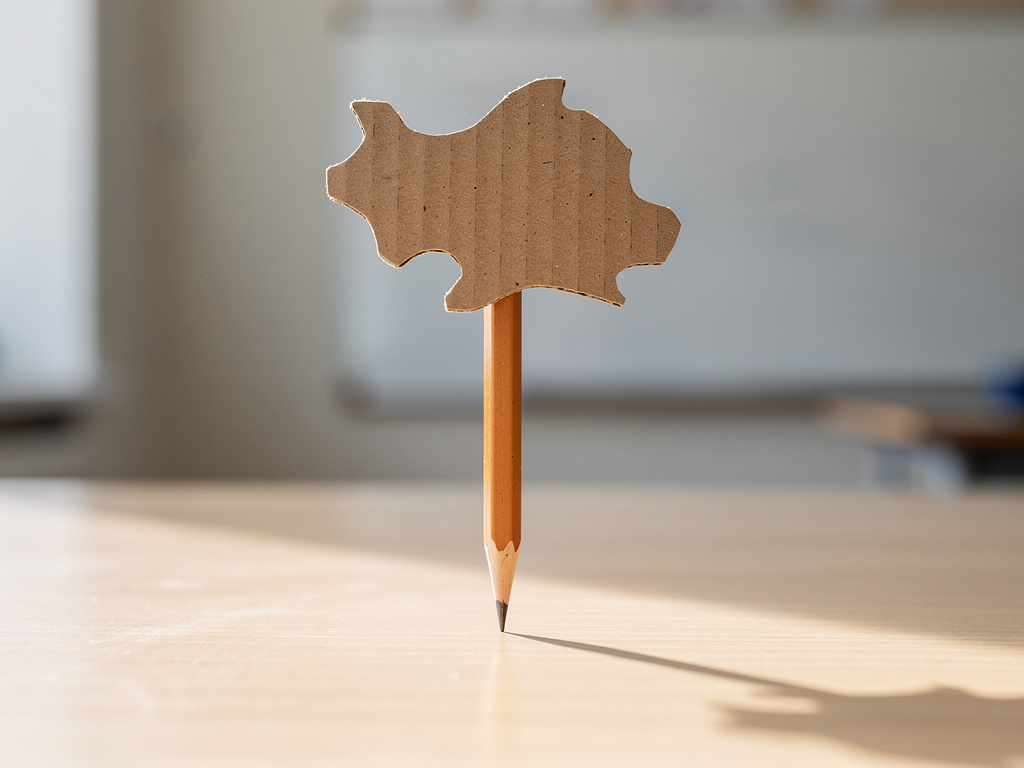
Discover how to find the center of gravity by balancing cardboard cutouts of irregular shapes on a pencil point. This project explores how different shapes distribute weight and balance.

2 days·elementary

Like this project? Get more ideas!