Science Fair Projects
physicsmedium middle 7 days

Ocean Currents Experiment with Colored Water

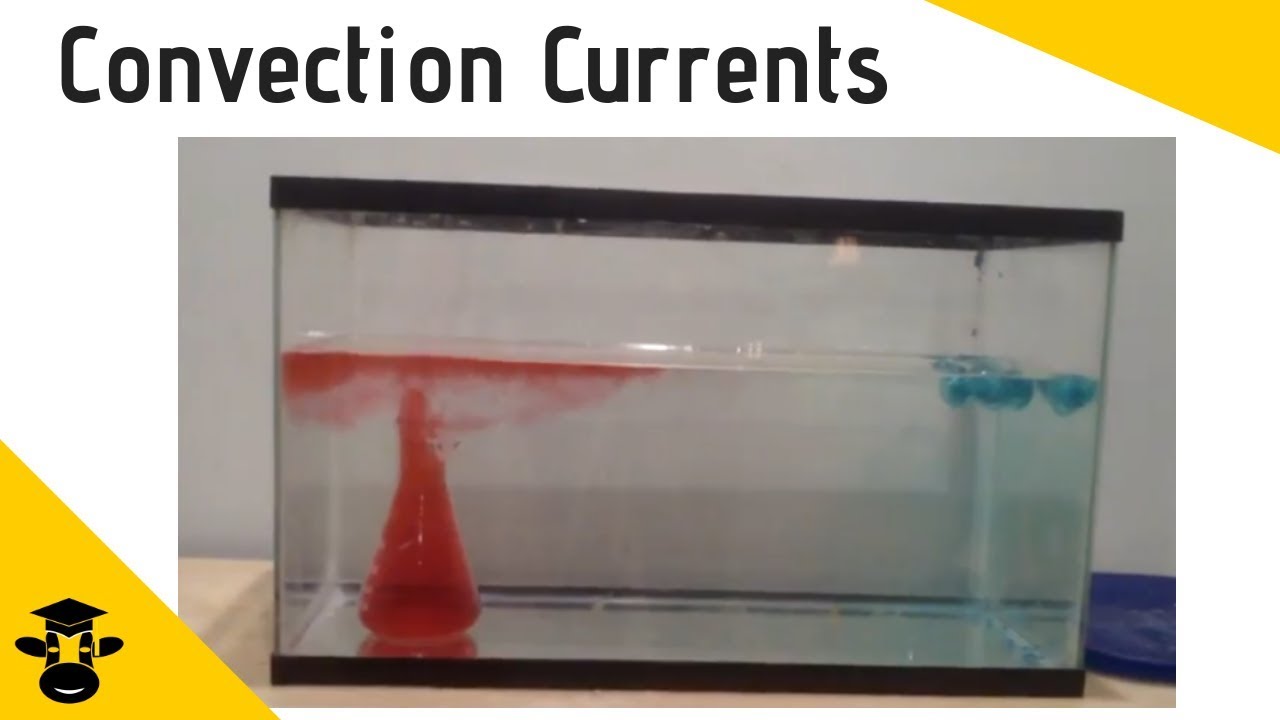
This project helps students visualize ocean currents using colored water. By simulating how warm and cold water interact, students gain insight into ocean circulation and its effects on climate.

Ocean Currents Experiment with Colored Water

Hypothesis

If I use colored water to represent warm and cold currents, then I will be able to observe how they flow and interact with each other.

Materials Needed

Clear glass container1Buy
Cold water1 literBuy
Hot water1 literBuy
Food coloring (blue and red)1 bottle eachBuy
Ice cubes5Buy
Spoon1Buy
Timer1Buy
Notebook1Buy

As an Amazon Associate, this site earns from qualifying purchases.

Step-by-Step Procedure

  1. 1

    Fill the clear glass container with cold water and add a few ice cubes.

  2. 2

    In a separate container, heat water until warm (not boiling) and add red food coloring.

  3. 3

    Slowly pour the colored warm water into the cold water container.

  4. 4

    Observe how the colored water moves through the cold water.

  5. 5

    Time how long it takes for the warm water to disperse.

  6. 6

    Record your observations and discuss what is happening.

  7. 7

    Test different temperatures of water and record results.

  8. 8

    Present your findings at the science fair.

Expected Results

You should observe that the warm, colored water rises and slowly mixes with the cold water, demonstrating how ocean currents work due to temperature differences.

Variables

Independent Variable

Temperature of the water used

Dependent Variable

Rate of mixing and dispersal

Controlled Variables

Amount of colored water, Container size, Initial water temperature

Safety Notes

Be cautious when heating water to avoid burns. Allow water to cool before handling.

Presentation Tips

  • Create a poster explaining ocean currents.

  • Use your experiment as a live demonstration.

  • Discuss the impact of ocean currents on climate.

  • Engage the audience with questions about ocean currents.

Frequently Asked Questions

Like this project? Get more ideas!