Science Fair Projects
chemistrymedium high 4 days

Ocean Acidification Experiment with Shells and Vinegar

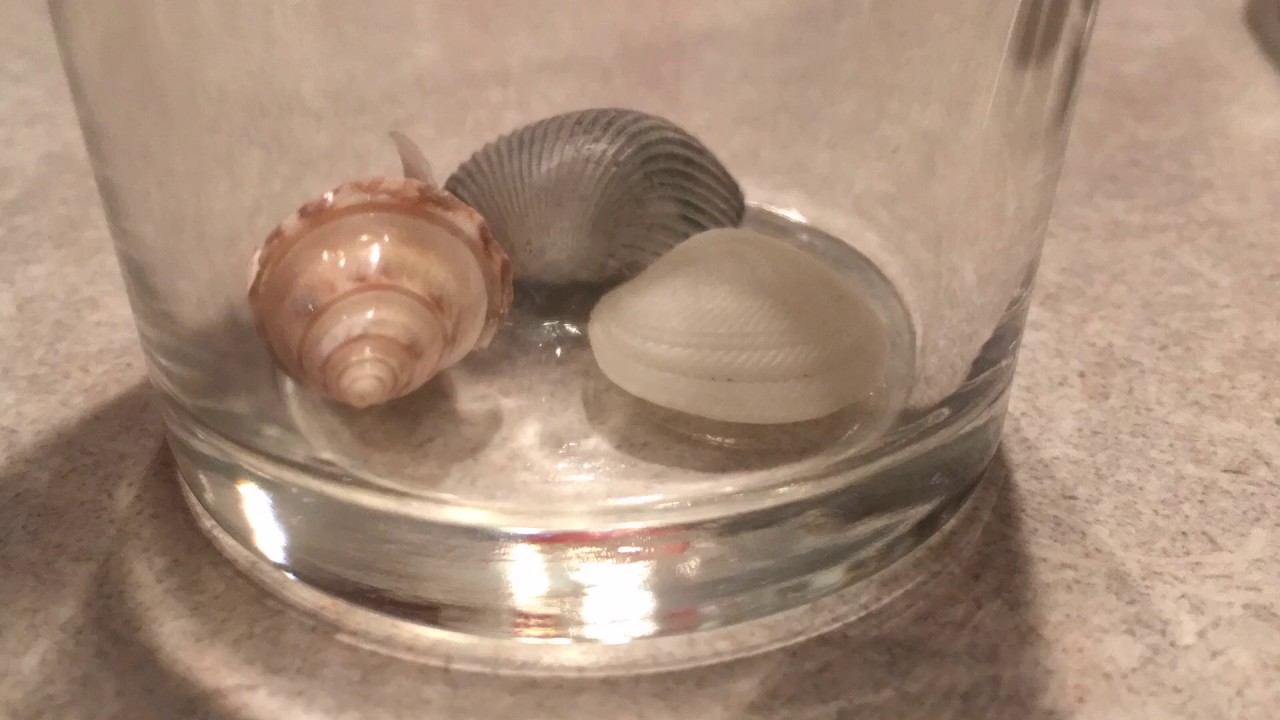
This experiment demonstrates ocean acidification's impact on marine life. By placing shells in vinegar, observe how acidity affects calcium carbonate structures.

Ocean Acidification Experiment with Shells and Vinegar

Hypothesis

If shells are placed in vinegar, then they will dissolve over time due to the acidic conditions simulating ocean acidification.

Materials Needed

Sea shells3-5Buy
Vinegar1 cupBuy
Glass jar1Buy
Measuring cup1Buy
Timer1Buy
Notebook1Buy
Scale1Buy
Ruler1Buy

As an Amazon Associate, this site earns from qualifying purchases.

Step-by-Step Procedure

  1. 1

    Measure and record the weight of each shell.

  2. 2

    Pour vinegar into the glass jar.

  3. 3

    Submerge the shells in vinegar.

  4. 4

    Seal the jar and place it in a location with a stable temperature.

  5. 5

    Observe the shells daily for any changes.

  6. 6

    Record observations including any visible dissolution.

  7. 7

    Weigh the shells after 3 days and record the results.

  8. 8

    Analyze the impact of vinegar on the shells.

Expected Results

The shells should show visible signs of dissolution after exposure to vinegar, simulating the effects of ocean acidification on marine organisms.

Variables

Independent Variable

Duration of exposure to vinegar

Dependent Variable

Weight reduction of shells

Controlled Variables

Type of shell, Amount of vinegar, Temperature

Safety Notes

Handle vinegar carefully to avoid skin irritation, and wear gloves if necessary.

Presentation Tips

  • Create a visual timeline of your observations.

  • Use graphs to show weight changes in shells.

  • Discuss real-world implications of ocean acidification.

  • Prepare to answer questions about the chemistry behind the experiment.

Frequently Asked Questions

Like this project? Get more ideas!