Science Fair Projects
chemistryeasy elementary 1 days

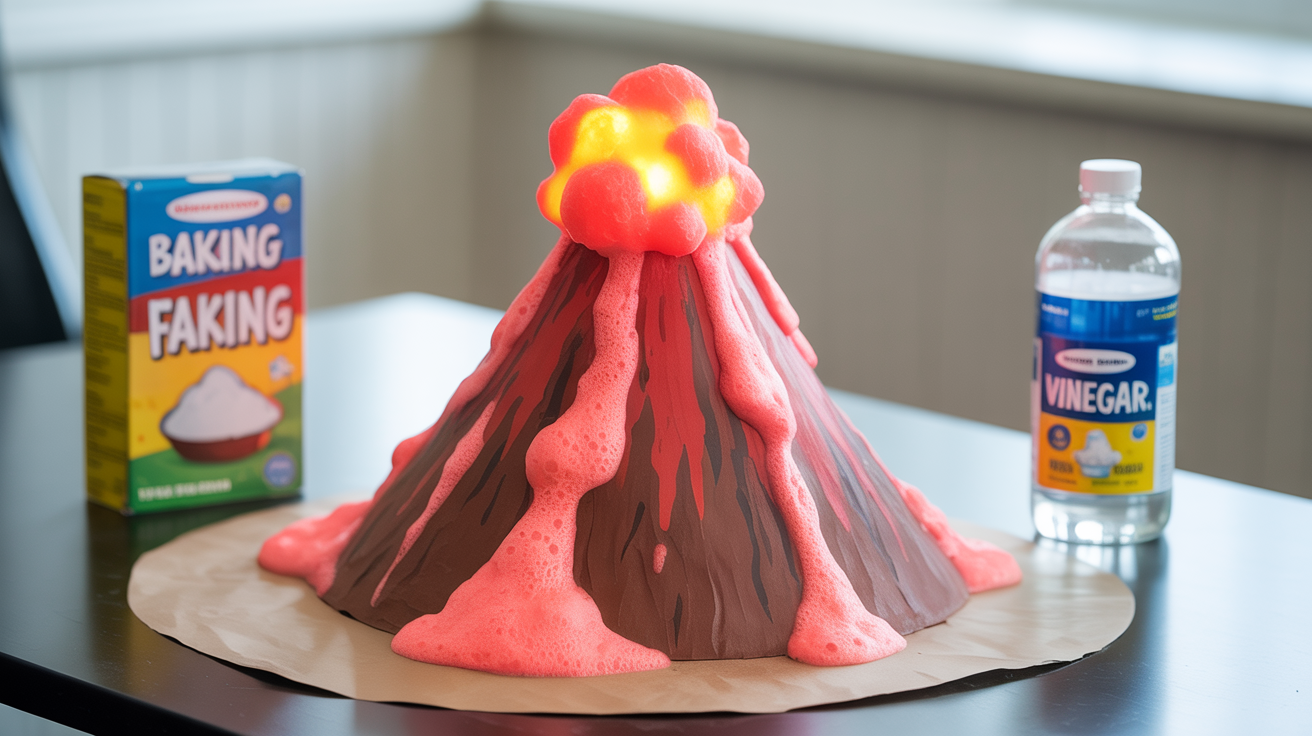
Homemade Volcano: A Chemical Reaction Eruption

This project demonstrates a basic acid-base chemical reaction by building a model volcano that erupts with 'lava' made from baking soda and vinegar. It's a visually exciting and highly engaging experiment for all ages.

Homemade Volcano: A Chemical Reaction Eruption

Hypothesis

If vinegar (an acid) is mixed with baking soda (a base), then a chemical reaction will occur, producing carbon dioxide gas that will create a fizzing eruption, simulating a volcano.

Materials Needed

Plastic bottle (12-20 oz) — 1Buy
Modeling clay or play-doh — 2 lbsBuy
Baking soda — 2 tablespoonsBuy
White vinegar — 1/2 cupBuy
Red food coloring — a few dropsBuy
Dish soap — 1 tablespoonBuy
Tray or baking pan — 1Buy
Funnel — 1Buy

As an Amazon Associate, this site earns from qualifying purchases.

Step-by-Step Procedure

  1. 1

    Place the plastic bottle in the center of the tray.

  2. 2

    Use the modeling clay to build a volcano shape around the bottle, leaving the opening clear.

  3. 3

    Use the funnel to add the baking soda to the bottle.

  4. 4

    In a separate cup, mix the vinegar, red food coloring, and dish soap.

  5. 5

    When you are ready to start the eruption, quickly pour the vinegar mixture into the bottle.

  6. 6

    Observe the eruption.

  7. 7

    Record your observations about the 'lava' flow and the fizzing reaction.

Expected Results

When the vinegar and baking soda mix, they will immediately start to fizz and bubble, creating a foam that erupts from the top of the bottle. The red food coloring will make the foam look like lava, and the dish soap will make the eruption last longer by trapping the gas bubbles.

Variables

Independent Variable

The mixing of baking soda and vinegar.

Dependent Variable

The eruption of 'lava' from the volcano.

Controlled Variables

The amount of baking soda and vinegar used, the size of the bottle opening.

Safety Notes

This experiment should be done on a tray or outdoors to contain the mess. While the ingredients are household items, avoid getting the mixture in your eyes.

Presentation Tips

  • Perform the eruption live during your presentation for a dramatic effect.

  • Explain the chemical equation for the reaction: NaHCO3 + HC2H3O2 -> NaC2H3O2 + H2O + CO2.

  • Have a poster with diagrams showing the parts of a real volcano to compare with your model.

Frequently Asked Questions

Is the volcano eruption dangerous?

No, the eruption is not dangerous. It is a simple chemical reaction between baking soda and vinegar, which are common household ingredients. The resulting 'lava' is non-toxic.

How can I make the eruption bigger?

To make the eruption bigger, you can try using a larger bottle and increasing the amount of baking soda and vinegar. Make sure to keep the ratio of ingredients similar.

What does the dish soap do?

The dish soap helps to create more bubbles and foam by trapping the carbon dioxide gas produced in the reaction. This makes the eruption last longer and look more impressive.

Related Projects

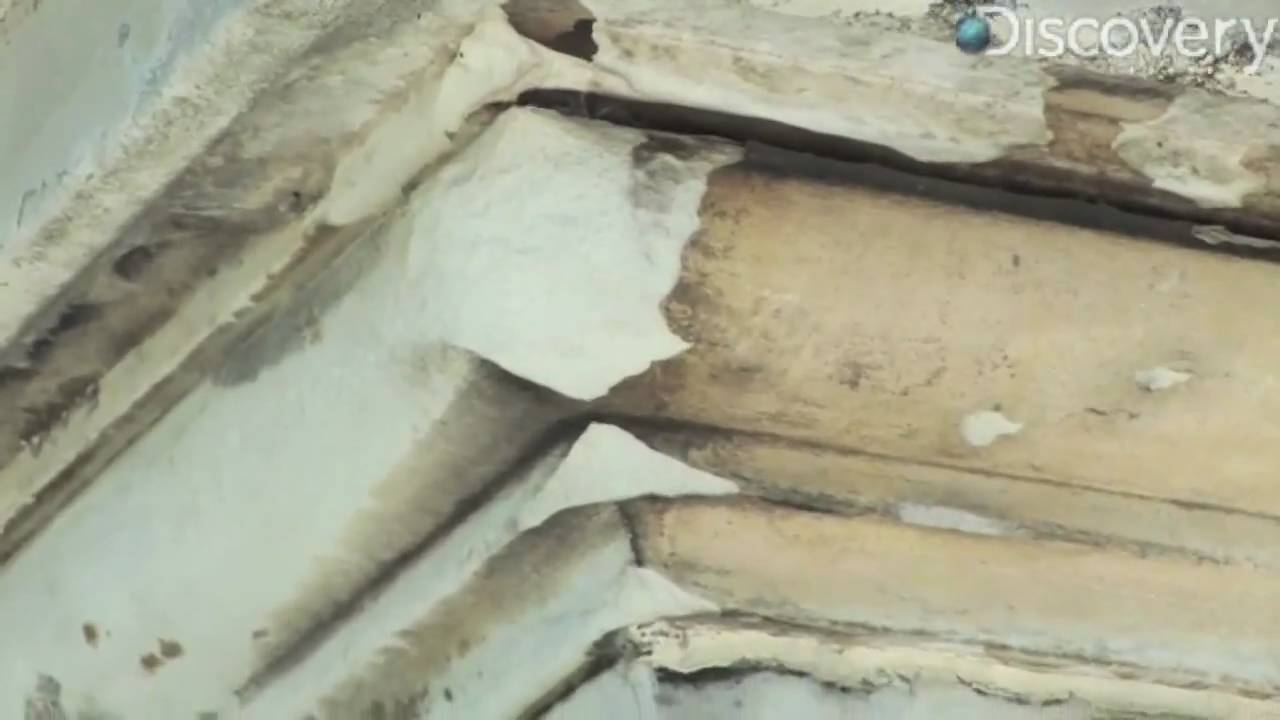
Acid Rain Alarm: The Impact of pH on Building Materials
chemistrymedium

Acid Rain Alarm: The Impact of pH on Building Materials

Students will simulate acid rain effects by applying solutions of varying pH levels to samples of common building materials. The project focuses on understanding how acid rain can damage infrastructure.

10 days·middle
Acid vs. Base: Which Is Stronger?
chemistrymedium

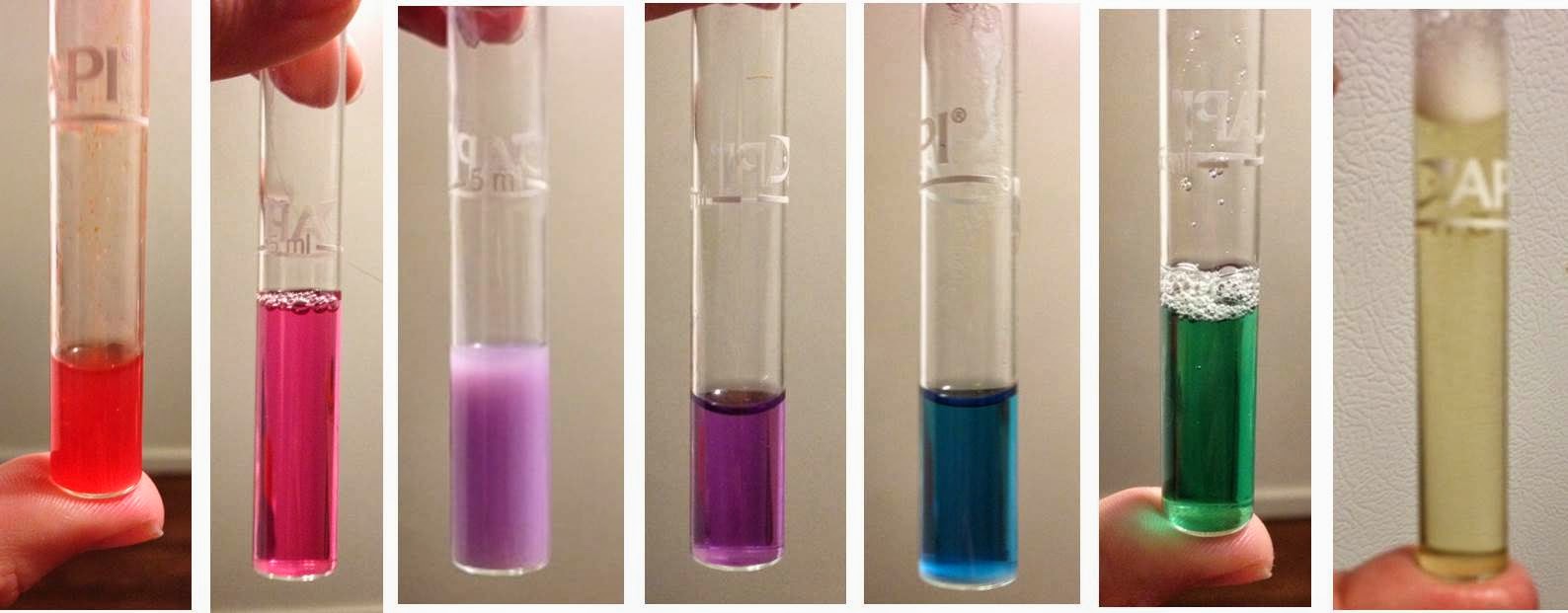
Acid vs. Base: Which Is Stronger?

Students will investigate the comparative strength of different acids and bases by measuring their pH levels and observing their reactions with various indicators. This project will help elucidate the nature of acidic and basic solutions.

14 days·middle
Baking Soda and Vinegar Balloon Inflation Experiment
chemistryeasy

Baking Soda and Vinegar Balloon Inflation Experiment

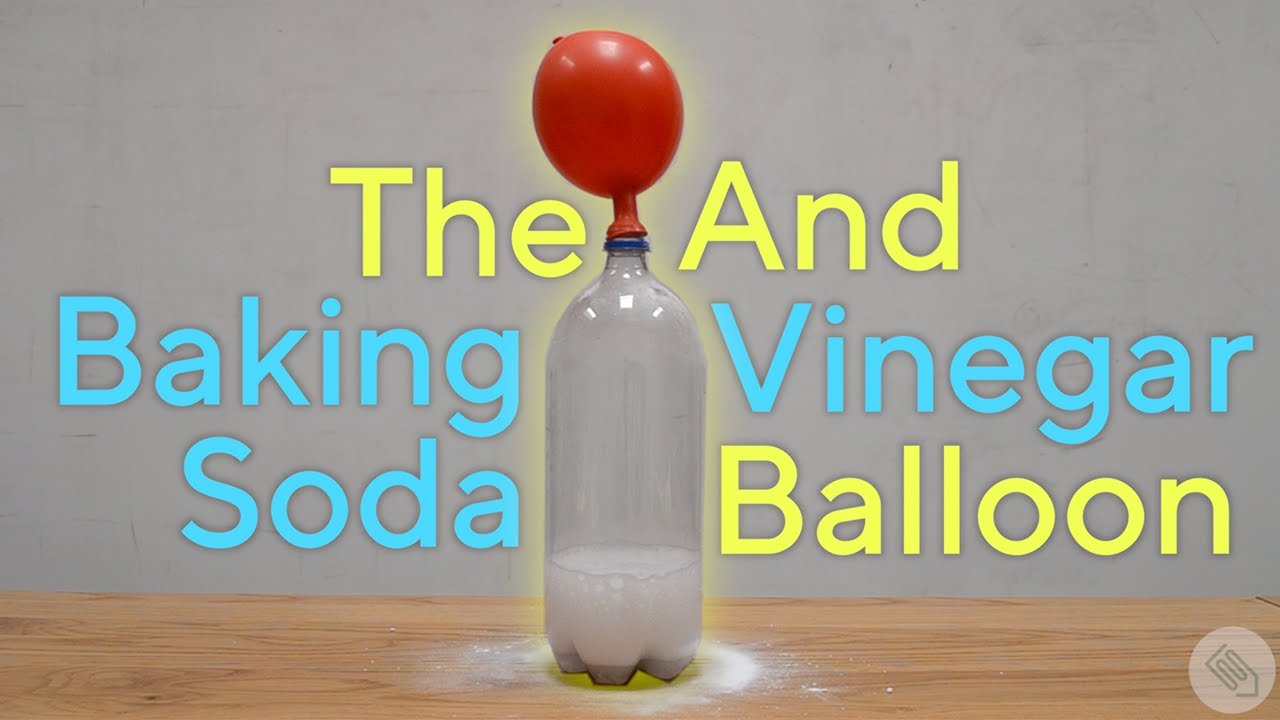
This exciting experiment demonstrates a chemical reaction between baking soda and vinegar that produces carbon dioxide gas, which inflates a balloon. It provides a hands-on approach to understanding reactions, gas expansion, and pressure in a controlled setting, making it ideal for middle school students interested in chemistry.

30 days·middle
Baking Soda and Vinegar Balloon Inflation Experiment Science Fair Project
chemistryeasy

Baking Soda and Vinegar Balloon Inflation Experiment Science Fair Project

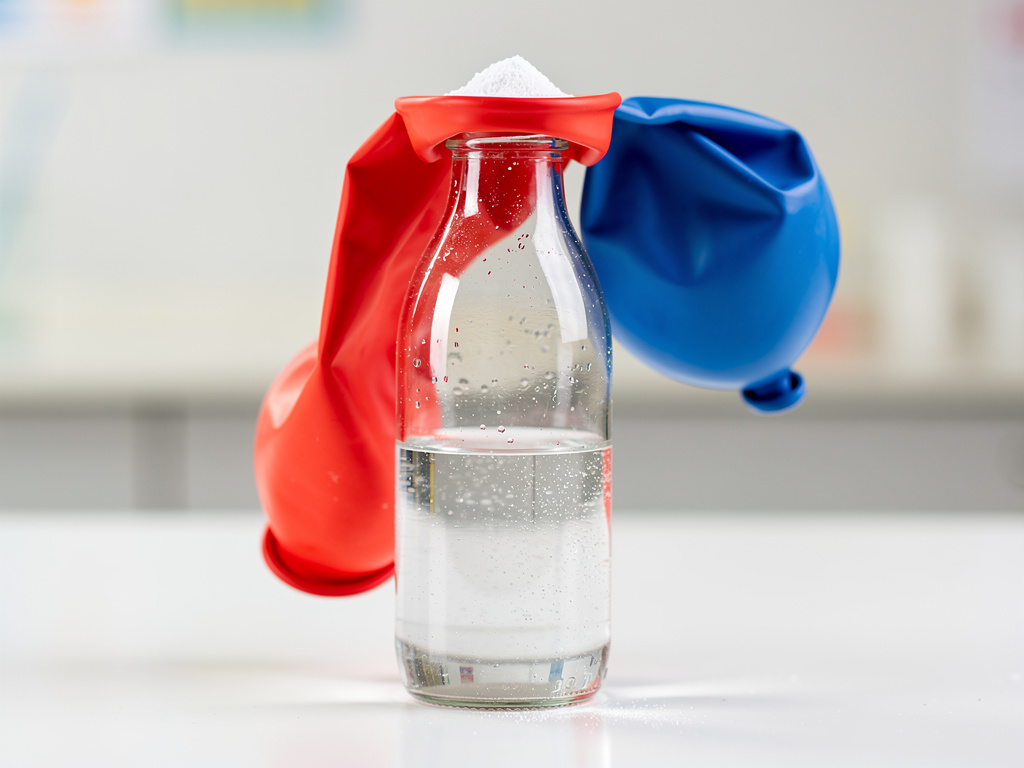
This project demonstrates a fun and safe chemical reaction between baking soda and vinegar that produces carbon dioxide gas. Students will inflate a balloon using the gas produced, illustrating basic chemical principles.

1 days·elementary
Balloon Blow-Up: The Power of Yeast and Sugar
chemistryeasy

Balloon Blow-Up: The Power of Yeast and Sugar

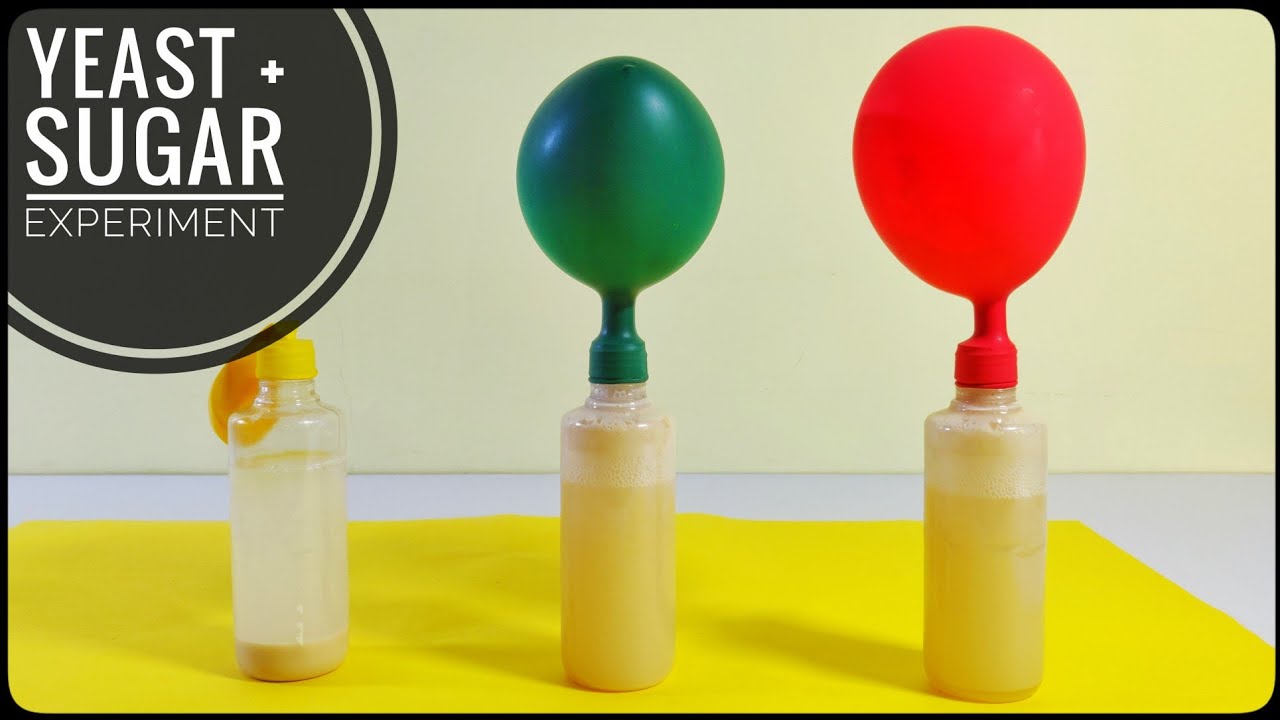
Students will observe the chemical reaction between yeast and sugar, which produces carbon dioxide gas that inflates a balloon. This project teaches about fermentation and gas production.

2 days·elementary
Biodegradable Plastics Science Project: Polymer Science
chemistryhard

Biodegradable Plastics Science Project: Polymer Science

This project focuses on creating biodegradable plastics using natural materials like starch and vinegar. Students will test the durability and decomposition rate, learning about sustainable alternatives to traditional plastics.

10 days·high

Like this project? Get more ideas!