Science Fair Projects
chemistryhard high 14 days

Effect of Microplastics on Water Filtration

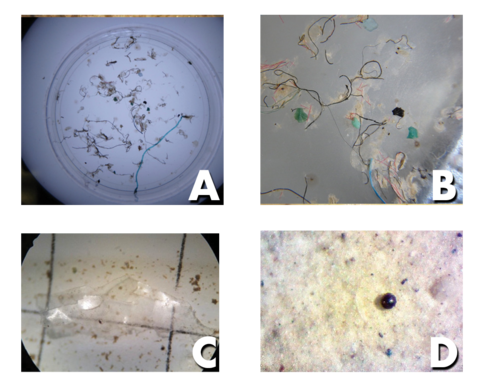
This project examines the effect of microplastics on the efficiency of water filtration systems. By introducing microplastics into various filtration methods, students can measure the quality of filtered water, assessing parameters such as turbidity and contaminants. This project raises awareness regarding plastic pollution and water safety.

Effect of Microplastics on Water Filtration

Hypothesis

Water filtration systems will be less effective at removing contaminants when microplastics are present.

Materials Needed

water samplesvariedBuy
microplastics (e.g., plastic beads)50 gBuy
carbon filter1Buy
sand filter1Buy
turbidity meter1Buy
measuring cylinders2Buy

As an Amazon Associate, this site earns from qualifying purchases.

Step-by-Step Procedure

  1. 1

    Prepare water samples with varying concentrations of microplastics.

  2. 2

    Set up different filtration systems (carbon and sand filters).

  3. 3

    Run each water sample through both filtration systems.

  4. 4

    Measure turbidity and contaminants before and after filtration.

  5. 5

    Record all data meticulously.

  6. 6

    Repeat experiments to ensure accuracy.

  7. 7

    Analyze how microplastics affect filtration efficiency.

  8. 8

    Discuss implications for environmental health.

  9. 9

    Conclude with recommendations for pollution reduction.

  10. 10

    Prepare a detailed report of your findings.

Expected Results

The presence of microplastics should result in higher turbidity levels and lower filtration efficiency across both systems.

Variables

Independent Variable

presence of microplastics in water

Dependent Variable

filtration efficiency (measured by turbidity levels)

Controlled Variables

volume of water used, filter types, testing conditions

Safety Notes

Handle microplastics with care, avoiding direct skin contact. Use protective gear as needed.

Presentation Tips

  • Include charts and graphs to visualize data.

  • Discuss real-world implications of microplastics on water quality.

  • Engage the audience with questions on pollution.

  • Demonstrate filtration methods if possible.

  • Summarize key findings clearly.

Frequently Asked Questions

Like this project? Get more ideas!