Science Fair Projects
physicshard high 10 days

Measuring the Speed of Light with a Microwave: A Fun Science Project

In this high school project, you'll measure the speed of light using a microwave and a bar of chocolate. By observing the melting spots, you can calculate the speed of light in a fun and engaging way. This experiment is perfect for students curious about physics and the nature of light.

Measuring the Speed of Light with a Microwave: A Fun Science Project

Hypothesis

If I place a bar of chocolate in the microwave and measure the distance between the melted spots, then I can calculate the speed of light.

Materials Needed

microwave1Buy
chocolate bar1Buy
ruler1Buy
stopwatch1Buy
paper plate1Buy
pencil1Buy
calculator1Buy
notebook1Buy

As an Amazon Associate, this site earns from qualifying purchases.

Step-by-Step Procedure

  1. 1

    Remove the turntable from the microwave.

  2. 2

    Place the chocolate bar on the paper plate.

  3. 3

    Microwave the chocolate bar for a short time, about 30 seconds.

  4. 4

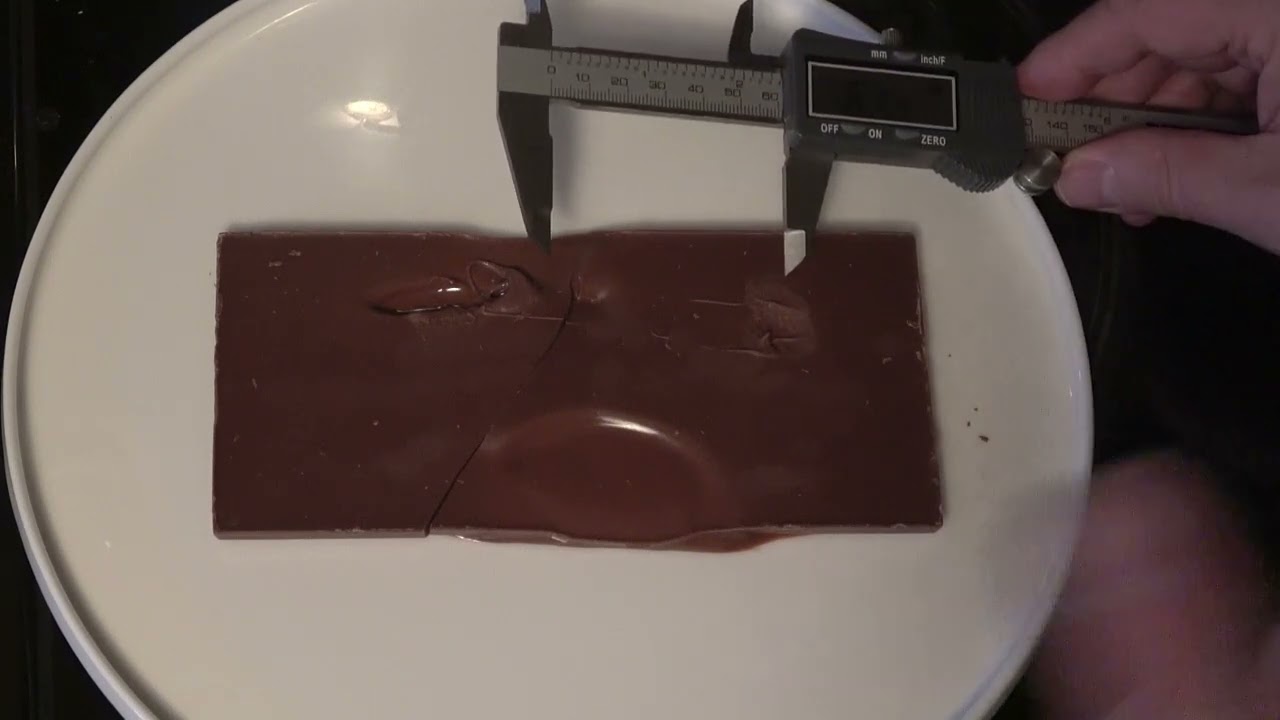
    Observe where the chocolate melts and measure the distance between the melted spots.

  5. 5

    Record the time it took for the chocolate to melt.

  6. 6

    Calculate the speed of light using the formula: speed = distance/time.

  7. 7

    Repeat the experiment to ensure accuracy.

  8. 8

    Analyze your results and compare them to the known speed of light.

Expected Results

The distance between melted spots should help calculate a speed close to the actual speed of light, which is approximately 299,792,458 meters per second. Variations may occur due to experimental errors.

Variables

Independent Variable

microwave time duration

Dependent Variable

distance between melted spots

Controlled Variables

type of chocolate, microwave power setting, environmental temperature

Safety Notes

Be cautious when handling the microwave and melted chocolate to avoid burns.

Presentation Tips

  • Create a visual timeline of your experiment.

  • Include photos of your process and results.

  • Explain concepts such as wavelength and frequency.

  • Prepare a comparison between your results and the actual speed of light.

  • Engage your audience with a live demonstration.

Frequently Asked Questions

Like this project? Get more ideas!