Science Fair Projects
chemistryhard high 10 days

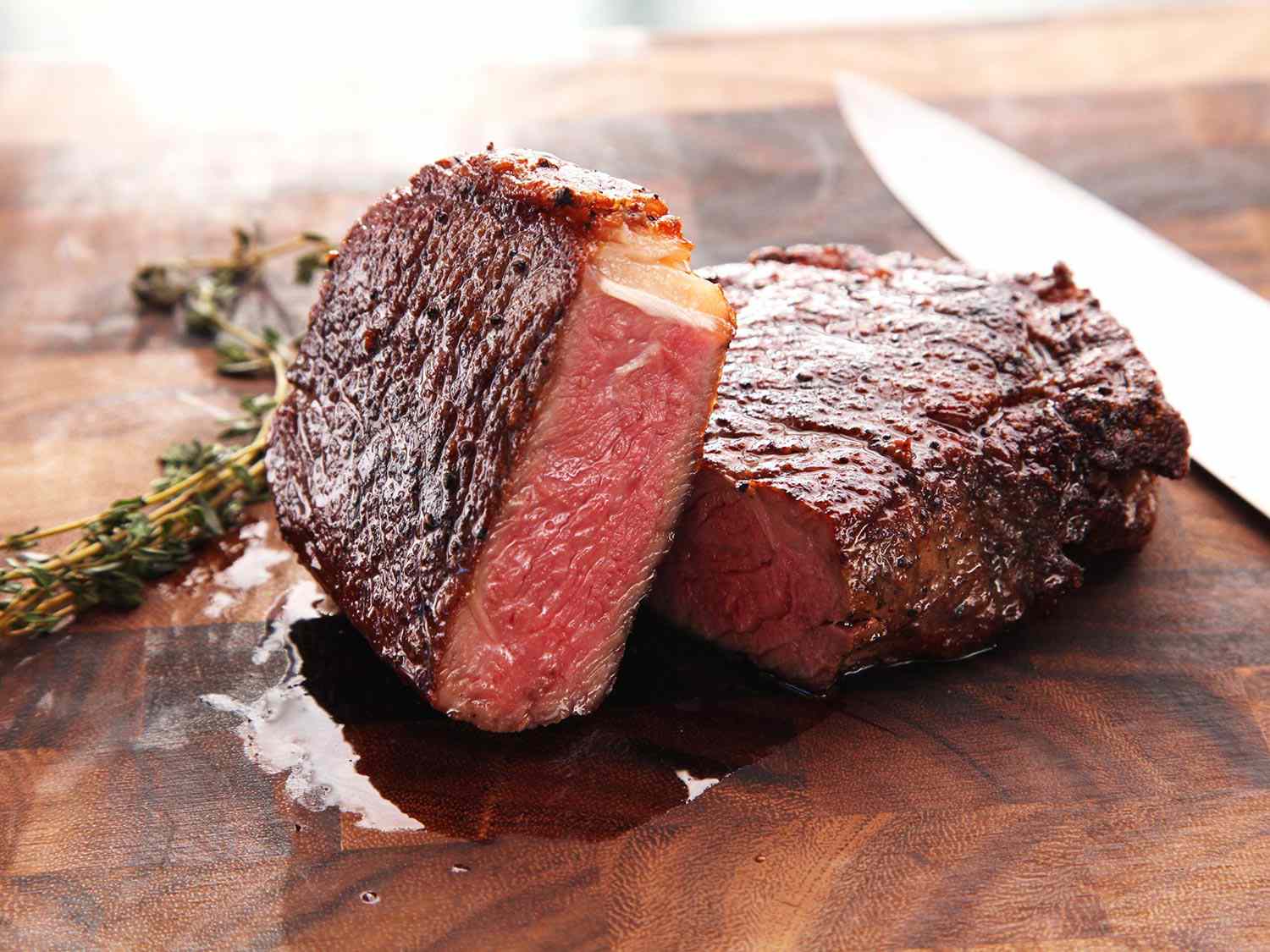
Chemical Reactions in Cooking: Maillard Reaction Science Project

This project investigates the Maillard reaction, which is responsible for browning in cooked foods. By experimenting with different cooking techniques, you will discover how flavors and colors develop.

Chemical Reactions in Cooking: Maillard Reaction Science Project

Hypothesis

If different cooking methods are applied, then the Maillard reaction will produce varying degrees of browning and flavor complexity.

Materials Needed

Different food items (e.g., bread, meat) — variesBuy
Oven or skillet — 1Buy
Temperature probe — 1Buy
Timer — 1Buy
Notebook for observations — 1Buy
Camera for documenting — 1Buy
Various spices for flavoring — 5Buy
Plates for serving — 3Buy

As an Amazon Associate, this site earns from qualifying purchases.

Step-by-Step Procedure

  1. 1

    Prepare different food items to cook.

  2. 2

    Set the oven or skillet to different temperatures.

  3. 3

    Cook each item using different methods (e.g., baking, frying).

  4. 4

    Use a temperature probe to monitor cooking temperatures.

  5. 5

    Time the cooking duration and observe changes.

  6. 6

    Document the color changes and flavors developed.

  7. 7

    Taste each dish and record the flavor profiles.

  8. 8

    Clean up the kitchen after the experiment.

Expected Results

Different cooking methods will lead to varying levels of browning and flavor development, showcasing the Maillard reaction's impact on cooking.

Variables

Independent Variable

Cooking method and temperature

Dependent Variable

Degree of browning and flavor complexity

Controlled Variables

Type of food, Cooking time, Amount of spices used

Safety Notes

Use kitchen equipment safely and handle hot surfaces with care.

Presentation Tips

  • Present before-and-after photos of cooked items.

  • Include taste tests for presentations.

  • Create a poster explaining the Maillard reaction.

  • Discuss its significance in culinary practices.

Frequently Asked Questions

What is the Maillard reaction?

The Maillard reaction is a chemical reaction between amino acids and reducing sugars that gives browned foods their distinctive flavor.

Why is browning in food important?

Browning enhances flavor and creates appealing colors in cooked foods.

Can the Maillard reaction be avoided?

Yes, but it is generally desirable for flavor development in cooking.

Related Projects

Acid Rain Alarm: The Impact of pH on Building Materials
chemistrymedium

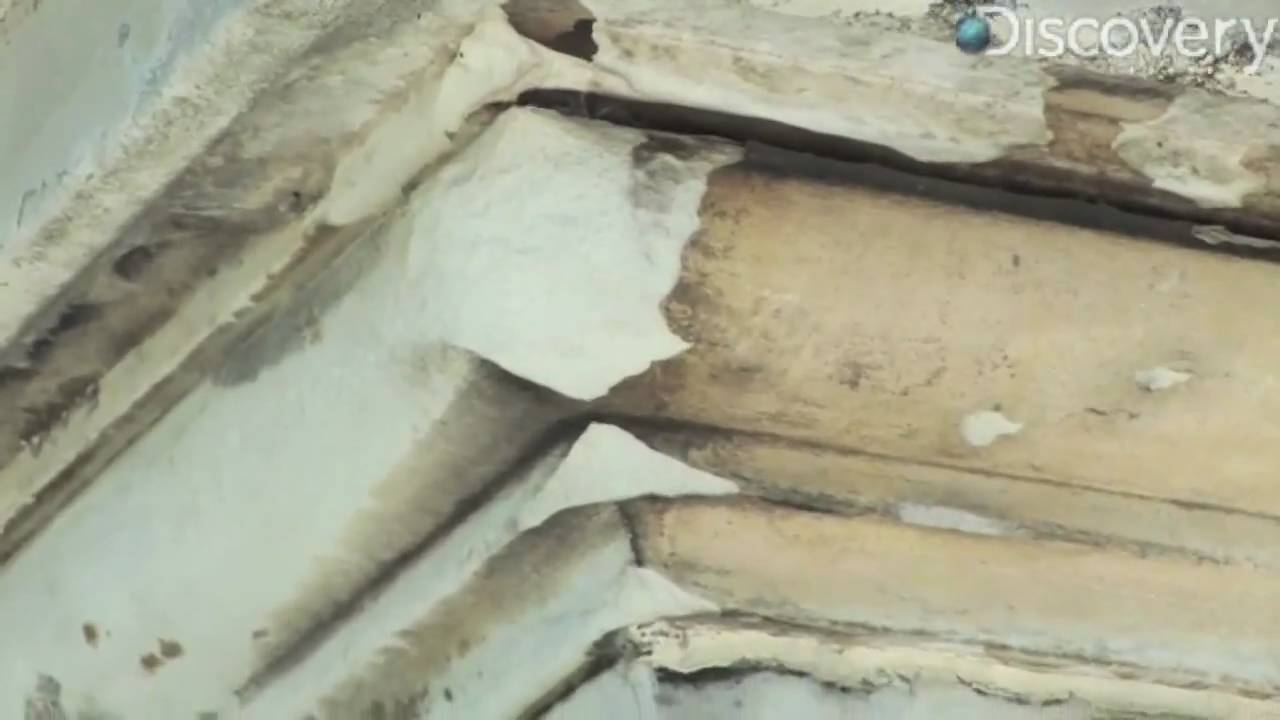
Acid Rain Alarm: The Impact of pH on Building Materials

Students will simulate acid rain effects by applying solutions of varying pH levels to samples of common building materials. The project focuses on understanding how acid rain can damage infrastructure.

10 days·middle
Acid vs. Base: Which Is Stronger?
chemistrymedium

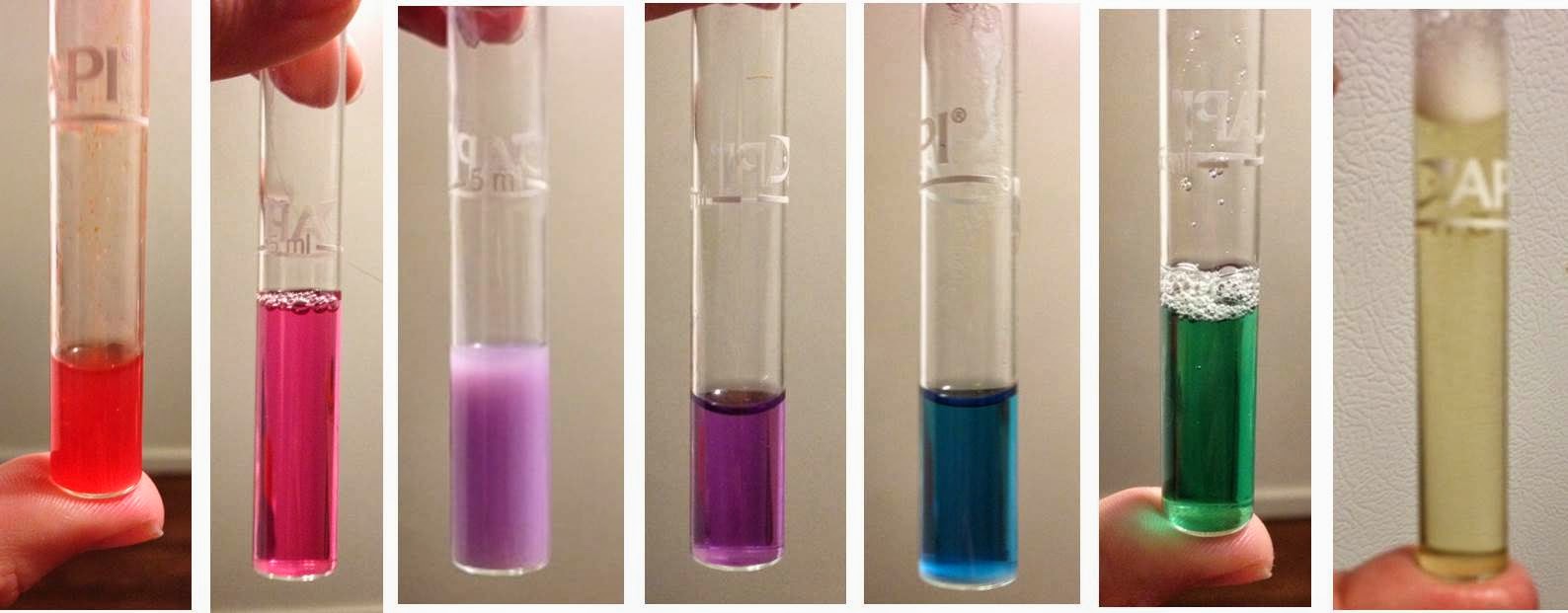
Acid vs. Base: Which Is Stronger?

Students will investigate the comparative strength of different acids and bases by measuring their pH levels and observing their reactions with various indicators. This project will help elucidate the nature of acidic and basic solutions.

14 days·middle
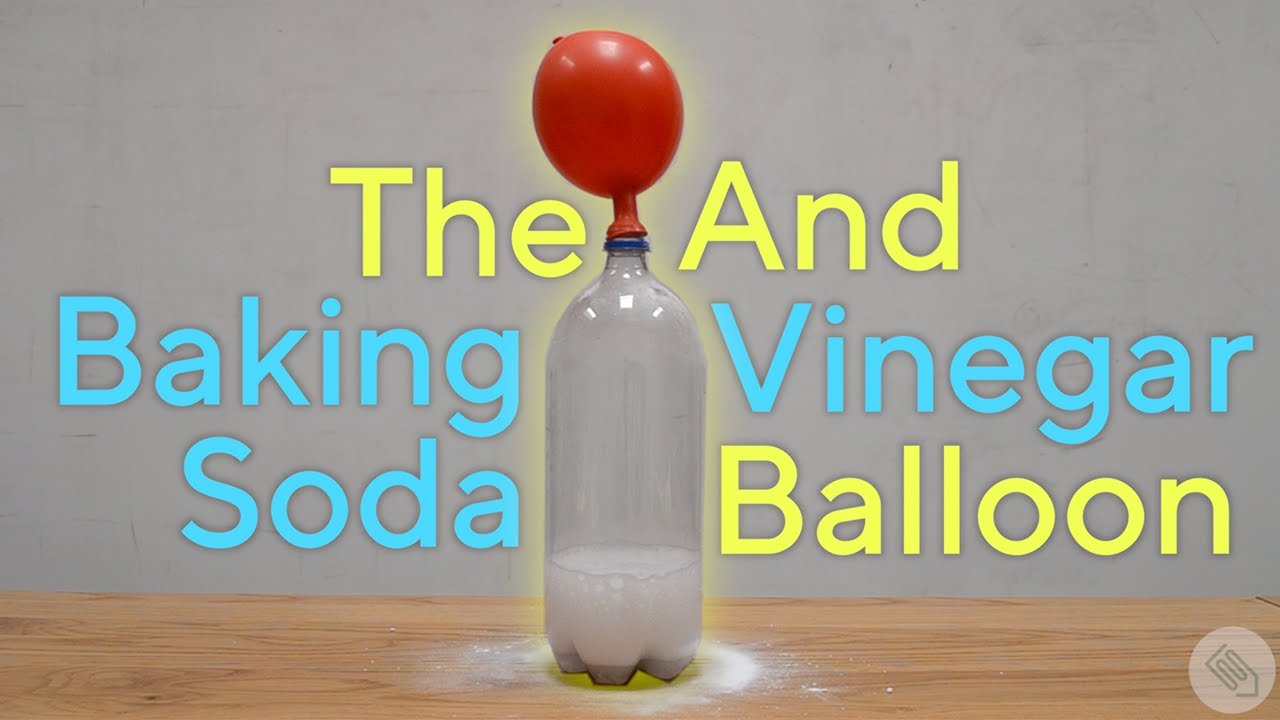
Baking Soda and Vinegar Balloon Inflation Experiment
chemistryeasy

Baking Soda and Vinegar Balloon Inflation Experiment

This exciting experiment demonstrates a chemical reaction between baking soda and vinegar that produces carbon dioxide gas, which inflates a balloon. It provides a hands-on approach to understanding reactions, gas expansion, and pressure in a controlled setting, making it ideal for middle school students interested in chemistry.

30 days·middle
Baking Soda and Vinegar Balloon Inflation Experiment Science Fair Project
chemistryeasy

Baking Soda and Vinegar Balloon Inflation Experiment Science Fair Project

This project demonstrates a fun and safe chemical reaction between baking soda and vinegar that produces carbon dioxide gas. Students will inflate a balloon using the gas produced, illustrating basic chemical principles.

1 days·elementary
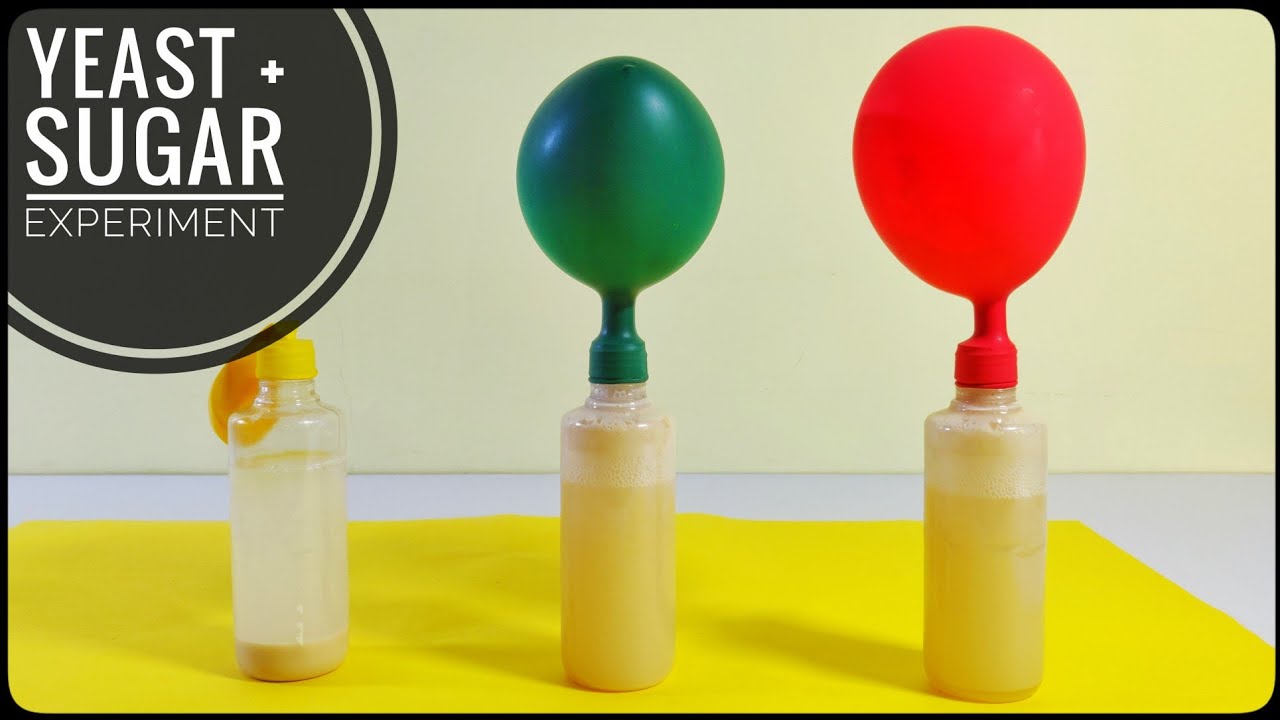
Balloon Blow-Up: The Power of Yeast and Sugar
chemistryeasy

Balloon Blow-Up: The Power of Yeast and Sugar

Students will observe the chemical reaction between yeast and sugar, which produces carbon dioxide gas that inflates a balloon. This project teaches about fermentation and gas production.

2 days·elementary
Biodegradable Plastics Science Project: Polymer Science
chemistryhard

Biodegradable Plastics Science Project: Polymer Science

This project focuses on creating biodegradable plastics using natural materials like starch and vinegar. Students will test the durability and decomposition rate, learning about sustainable alternatives to traditional plastics.

10 days·high

Like this project? Get more ideas!