Science Fair Projects
physicseasy elementary 4 days

The Magic of Floating Magnets

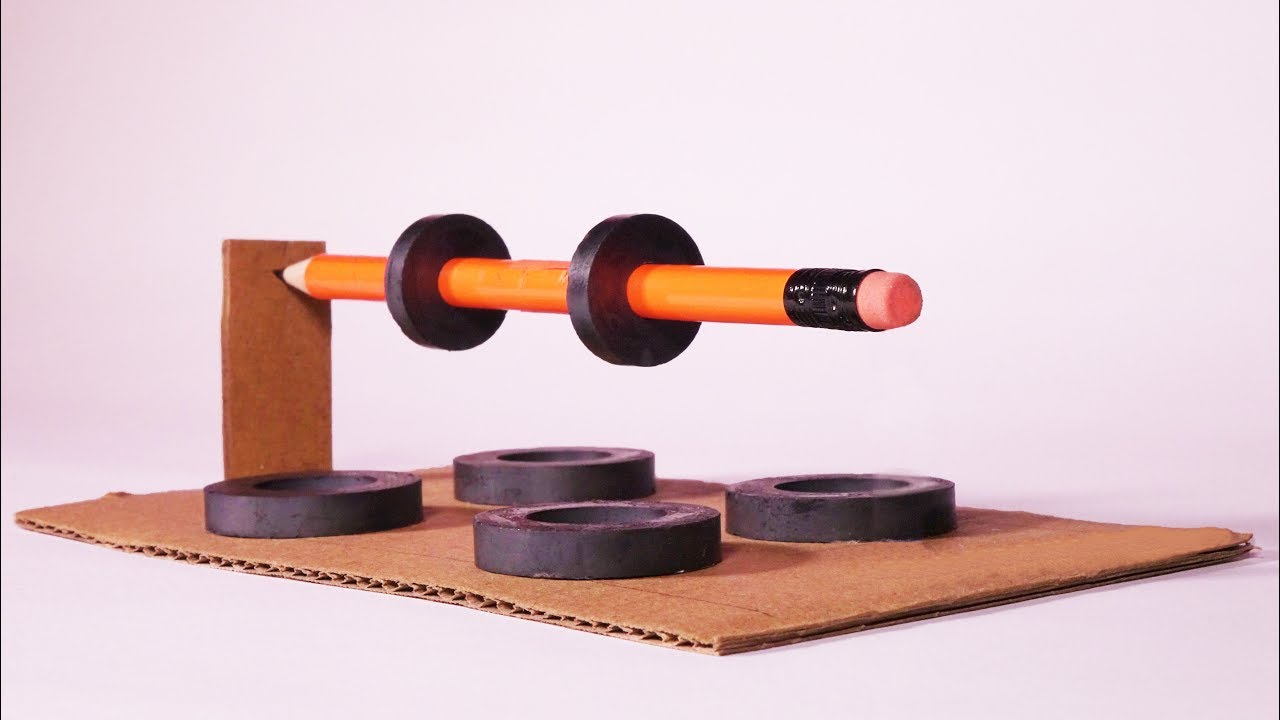
Students will explore magnetic fields by setting up a system where magnets appear to float. This project provides a hands-on understanding of magnetic repulsion and attraction.

The Magic of Floating Magnets

Hypothesis

If I stack ring magnets with same poles facing each other on a pencil, then they will float due to magnetic repulsion.

Materials Needed

Ring magnets — 10Buy
Pencil — 1Buy
Ruler — 1Buy
Sticky tack — 1Buy
Small base (wood block) — 1Buy
Glue — 1Buy

As an Amazon Associate, this site earns from qualifying purchases.

Step-by-Step Procedure

  1. 1

    Secure the pencil vertically on a small base using glue.

  2. 2

    Allow the glue to dry completely.

  3. 3

    Slide a ring magnet onto the pencil.

  4. 4

    Place another ring magnet on the pencil with like poles facing each other.

  5. 5

    Observe the floating action of the top magnet.

  6. 6

    Measure the distance between the magnets when floating.

  7. 7

    Try changing the number of magnets and observe the effect.

  8. 8

    Record your observations and measurements.

  9. 9

    Experiment with different magnet arrangements.

  10. 10

    Write down your conclusions on magnetic repulsion.

Expected Results

The magnets with like poles facing each other will repel, causing the top magnet to float, illustrating the concept of magnetic repulsion.

Variables

Independent Variable

Number of magnets

Dependent Variable

Distance between floating magnets

Controlled Variables

Pencil type, Base material, Magnet type

Safety Notes

Be careful with small magnets around young children to prevent ingestion.

Presentation Tips

  • Create a clear display of your floating magnet setup.

  • Include pictures of each step in the process.

  • Explain magnetic fields using simple diagrams.

Frequently Asked Questions

Why do the magnets float?

The magnets float because like poles repel each other, creating a levitating effect.

What happens if you flip one of the magnets?

Flipping one magnet will cause attraction between opposite poles, and they will stick together.

Can I use different shapes of magnets?

Yes, but ring magnets work best for this project due to their ability to fit on a pencil.

Related Projects

Acoustic Resonance Experiment: Standing Waves in Tubes Science Fair Project
physicsmedium

Acoustic Resonance Experiment: Standing Waves in Tubes Science Fair Project

This experiment allows you to explore sound waves and resonance using tubes. By creating standing waves, you'll visualize how sound behaves in different environments. Perfect for middle school science fairs!

7 days·middle
Analyzing Quantum Tunneling in Semiconductor Devices
physicshard

Analyzing Quantum Tunneling in Semiconductor Devices

This project investigates quantum tunneling phenomena within semiconductor devices. Students will measure how electrons traverse energy barriers and analyze how this impacts device efficiency.

25 days·high
Archimedes' Principle: Testing Buoyancy with Different Objects
physicsmedium

Archimedes' Principle: Testing Buoyancy with Different Objects

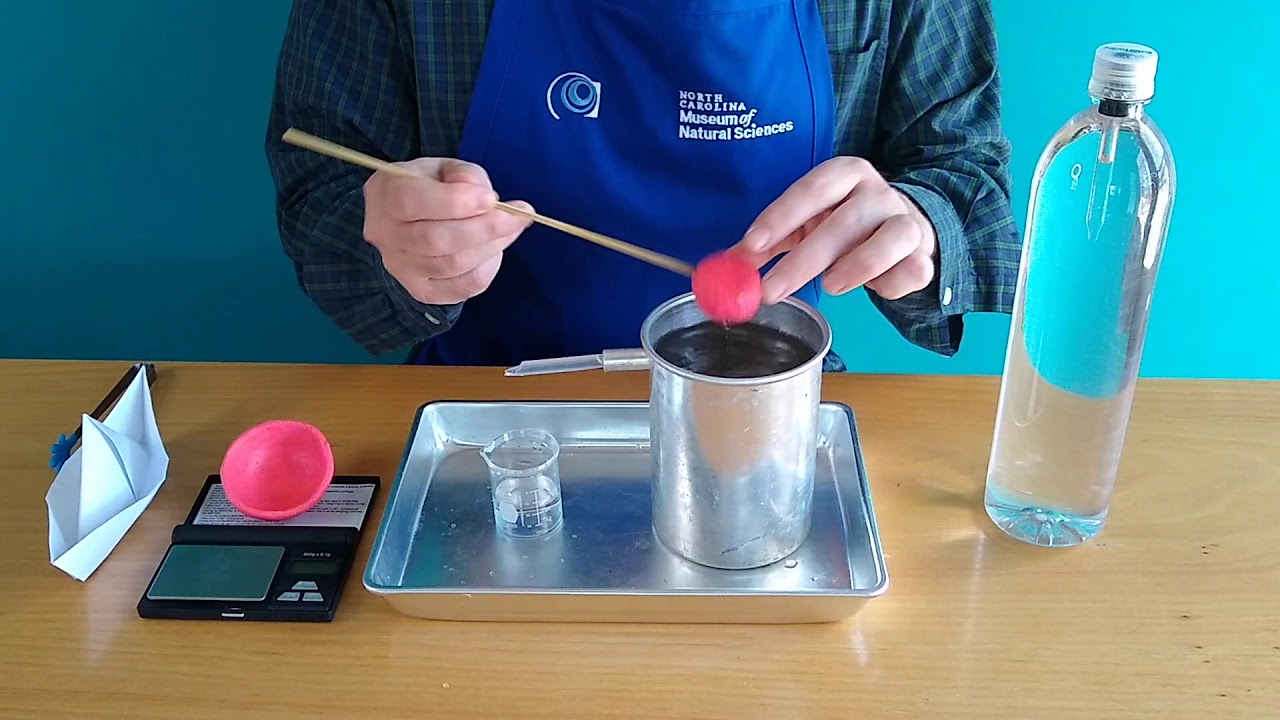
This project allows students to test various objects for buoyancy, demonstrating Archimedes' principle. It engages students in hands-on learning about density and displacement.

7 days·middle
Astronomical Observation - Tracking Planetary Motion
physicsmedium

Astronomical Observation - Tracking Planetary Motion

In this project, you will observe and record the positions of planets in the night sky over a month. By using a telescope or binoculars, you will track their movements, document their position on specific dates, and analyze their orbits to understand celestial mechanics. This project fosters an appreciation of astronomy and the dynamics of our solar system.

14 days·high
Atmospheric Pressure and Weather Patterns Analysis
physicsmedium

Atmospheric Pressure and Weather Patterns Analysis

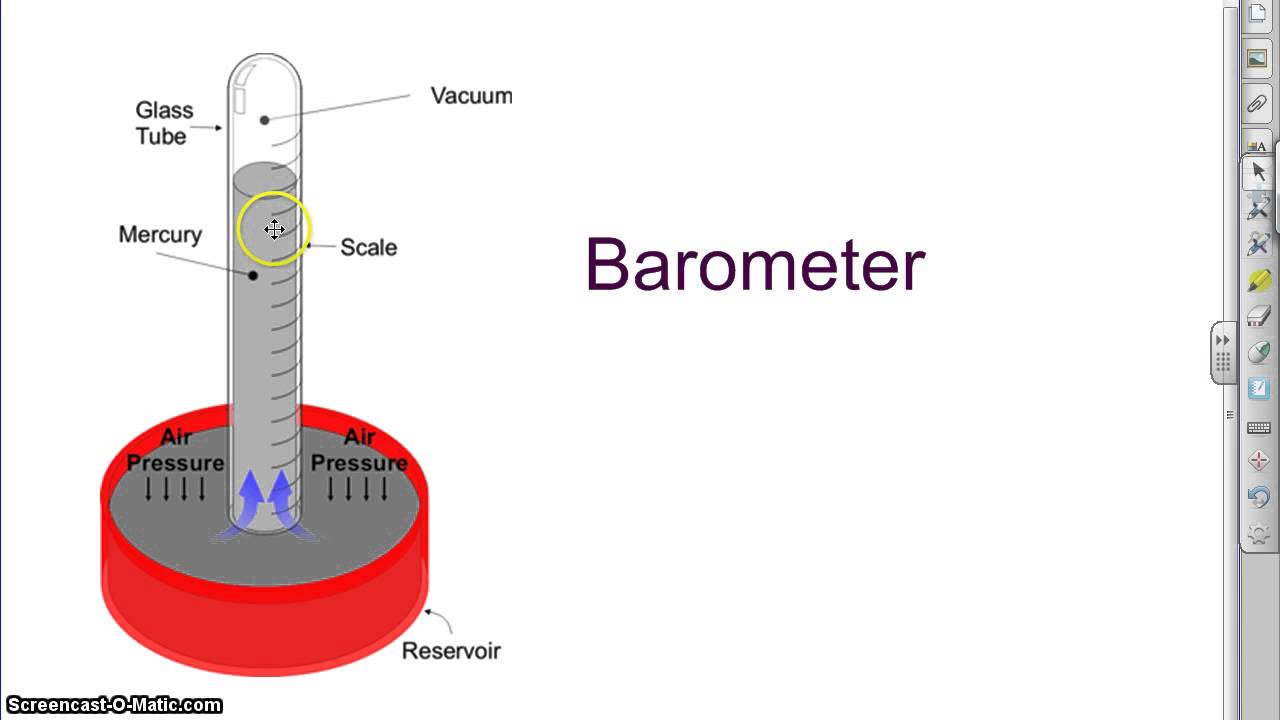
This project investigates how changes in atmospheric pressure correlate with weather conditions. By using a barometer to measure pressure and recording local weather patterns over a week, you will analyze the data to determine relationships and predict weather changes. This project emphasizes the importance of atmospheric science in understanding our climate.

7 days·middle
Balloon Rocket Experiment: Explore Newton's Third Law in Action
physicseasy

Balloon Rocket Experiment: Explore Newton's Third Law in Action

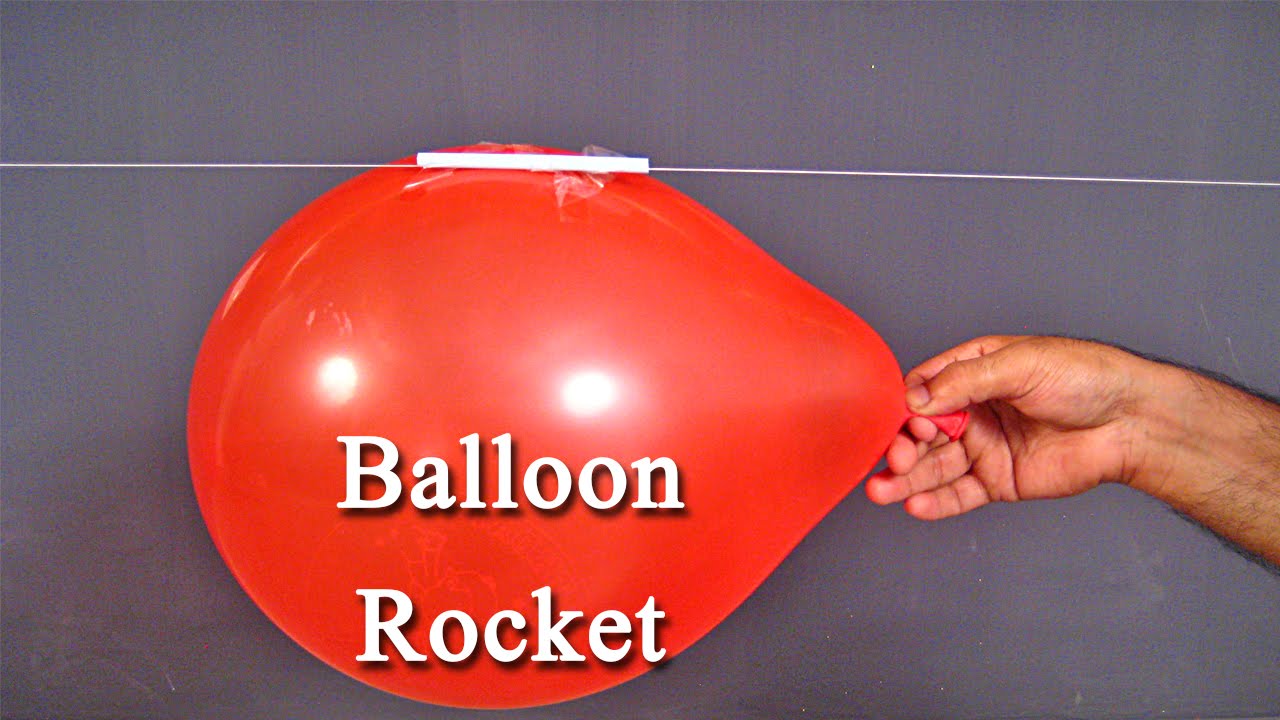
This exciting balloon rocket experiment demonstrates Newton's third law of motion. By launching balloons, students can visually see how every action creates an equal and opposite reaction!

1 days·middle

Like this project? Get more ideas!