Science Fair Projects
chemistrymedium high 7 days

Iodine Clock Reaction Kinetics Science Project

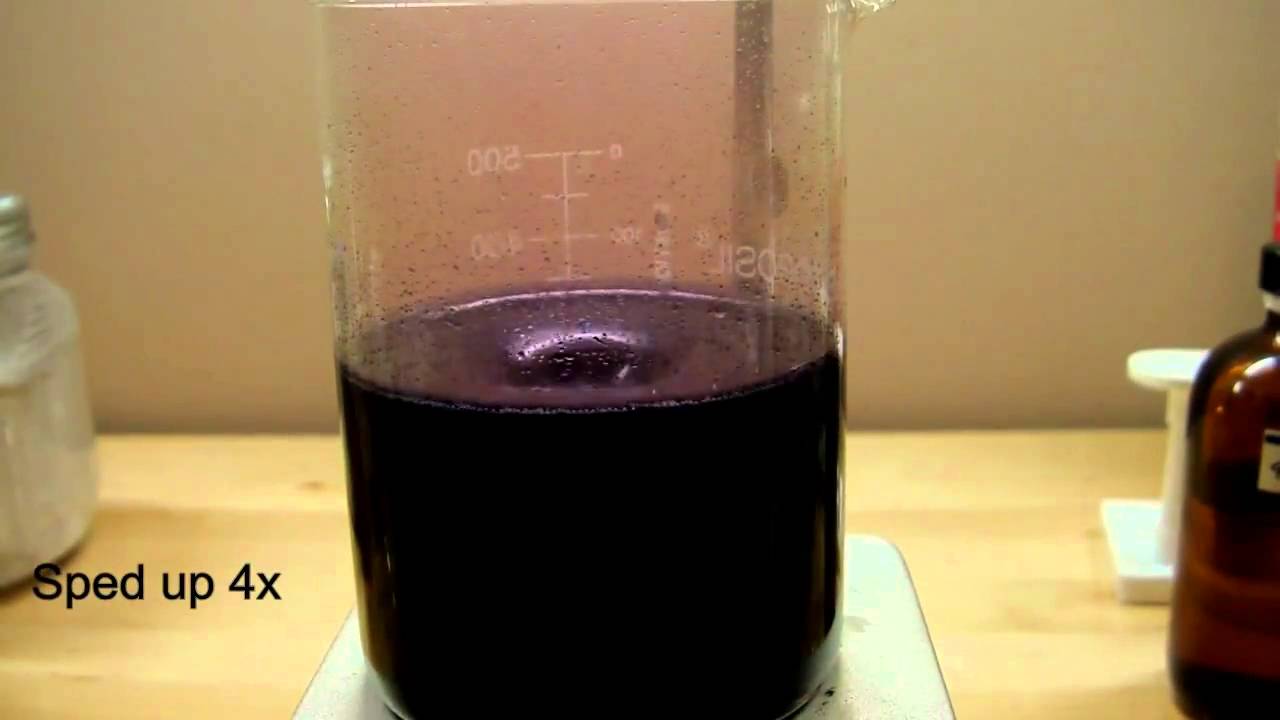
This project demonstrates the iodine clock reaction, where a sudden color change indicates the end of a chemical reaction. By varying concentrations, students can learn about reaction rates and kinetics in a fun and colorful way.

Iodine Clock Reaction Kinetics Science Project

Hypothesis

If the concentration of reactants increases, then the time taken for the color change will decrease, demonstrating the effect of concentration on reaction rate.

Materials Needed

Potassium iodide solution100 mLBuy
Hydrogen peroxide solution100 mLBuy
Starch solution50 mLBuy
Distilled water100 mLBuy
Beakers4Buy
Timer1Buy
Pipettes3Buy
Safety goggles1Buy

As an Amazon Associate, this site earns from qualifying purchases.

Step-by-Step Procedure

  1. 1

    Prepare solutions of potassium iodide and hydrogen peroxide in separate beakers.

  2. 2

    Add starch solution to the potassium iodide solution.

  3. 3

    Mix the solutions together and start timing immediately.

  4. 4

    Observe the time taken for the color change to happen.

  5. 5

    Vary the concentrations of the reactants and repeat the process.

  6. 6

    Record the time taken for each concentration.

  7. 7

    Analyze how concentration affects the reaction rate.

  8. 8

    Summarize findings and discuss the significance of reaction kinetics.

Expected Results

You will observe that as the concentration of reactants increases, the time taken for the color change decreases, illustrating the relationship between concentration and reaction rate in chemical kinetics.

Variables

Independent Variable

Concentration of reactants

Dependent Variable

Time taken for color change

Controlled Variables

Temperature of solutions, Volume of solutions, Type of starch used

Safety Notes

Handle all chemicals with care and wear safety goggles during experiments to avoid irritation.

Presentation Tips

  • Demonstrate the reaction live to capture audience interest.

  • Use clear visuals and graphs to represent your findings.

  • Explain the science behind reaction kinetics.

  • Engage the audience by discussing real-life applications.

Frequently Asked Questions

Like this project? Get more ideas!