Science Fair Projects
chemistrymedium middle 14 days

Growing Crystals with Different Household Solutions

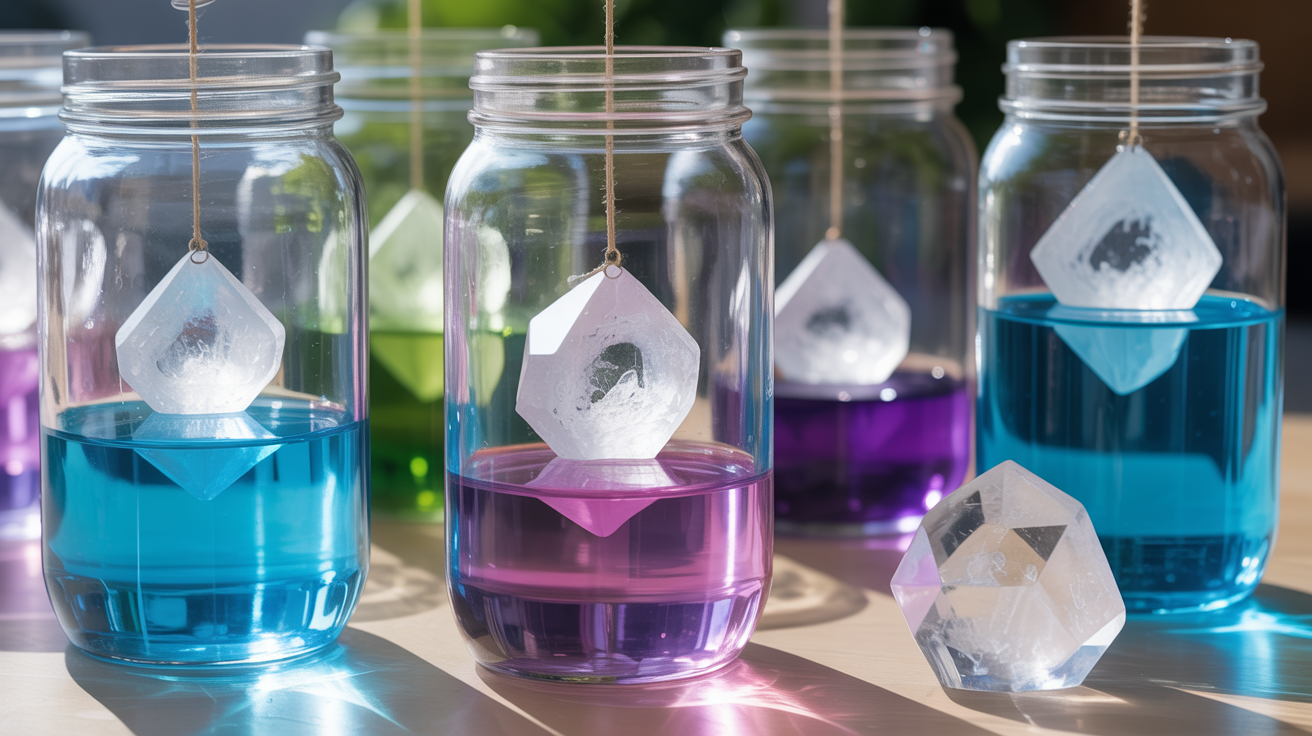
This project allows students to experiment with various household solutions to grow crystals. By comparing the size and quality of crystals formed from different solutions, students will learn about chemical properties and crystallization processes. This hands-on project fosters curiosity and scientific inquiry.

Growing Crystals with Different Household Solutions

Hypothesis

Different household solutions will produce varying sizes and qualities of crystals.

Materials Needed

Sugar1 cupBuy
Salt1 cupBuy
Epsom salt1 cupBuy
Water4 cupsBuy
Glass jars3Buy
Stirring stick1Buy
Notebook1Buy

As an Amazon Associate, this site earns from qualifying purchases.

Step-by-Step Procedure

  1. 1

    Dissolve 1 cup of sugar in 1 cup of hot water to create a sugar solution.

  2. 2

    Repeat the process for salt and Epsom salt in separate containers.

  3. 3

    Pour each solution into its own glass jar.

  4. 4

    Set the jars in a cool, undisturbed area.

  5. 5

    Check the jars daily for crystal growth.

  6. 6

    Record the size and clarity of crystals in the notebook.

  7. 7

    Observe any differences in growth rates.

  8. 8

    Take photos of the crystals at different stages.

  9. 9

    Prepare a report summarizing your findings.

  10. 10

    Create a presentation with visuals of crystal growth.

  11. 11

    Engage the audience with a discussion about crystallization.

  12. 12

    Practice explaining the science behind your experiment.

Expected Results

It is expected that the sugar solution will produce larger and clearer crystals compared to salt and Epsom salt.

Variables

Independent Variable

Type of household solution

Dependent Variable

Size and quality of crystals

Controlled Variables

Amount of solution, Temperature of water, Container size

Safety Notes

Handle hot water with care and avoid ingesting any chemicals used in the experiment.

Presentation Tips

  • Show before-and-after photos of crystal growth.

  • Use charts to compare sizes of crystals.

  • Explain the crystallization process in simple terms.

  • Engage the audience with a hands-on demo if possible.

  • Prepare for a Q&A session.

Frequently Asked Questions

Like this project? Get more ideas!