Science Fair Projects
chemistrymedium high 1 days

Flame Test Experiment Identifying Metal Ions by Color

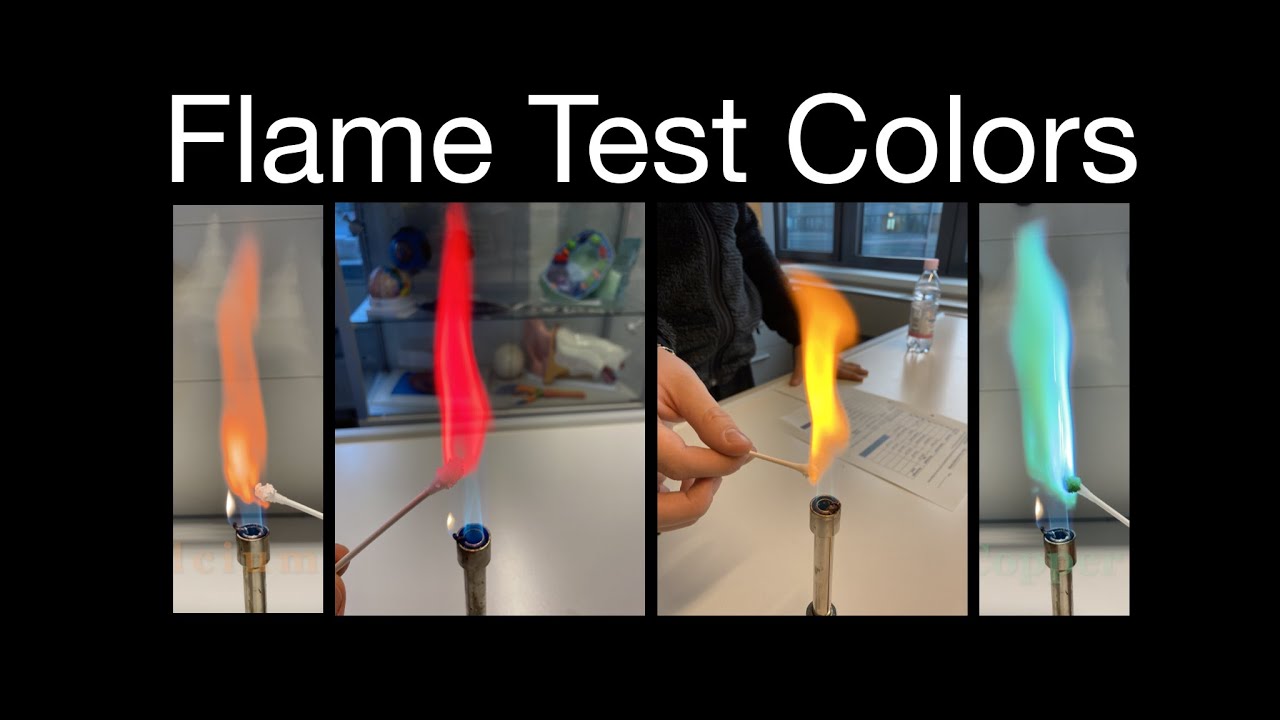
This project involves performing flame tests to identify various metal ions by the characteristic colors they emit when heated. Students will learn about the relationship between energy levels and electron transitions in elements.

Flame Test Experiment Identifying Metal Ions by Color

Hypothesis

Different metal ions will produce distinct flame colors due to their unique electron configurations.

Materials Needed

Metal salt samples (e.g., sodium, copper) — 5Buy
Bunsen burner — 1Buy
Wire loop — 1Buy
Safety goggles — 1Buy
Heat-resistant surface — 1Buy
Scoopula — 1Buy
Notebook — 1Buy

As an Amazon Associate, this site earns from qualifying purchases.

Step-by-Step Procedure

  1. 1

    Put on safety goggles and ensure the workspace is safe.

  2. 2

    Clean the wire loop with a flame to avoid contamination.

  3. 3

    Dip the wire loop into the first metal salt sample.

  4. 4

    Place the loop in the flame of the Bunsen burner.

  5. 5

    Observe and record the color of the flame.

  6. 6

    Repeat steps 3-5 for each metal salt sample.

  7. 7

    Compare the observed flame colors with known colors from a reference chart.

  8. 8

    Discuss the results and identify each metal based on its flame color.

Expected Results

Each metal ion will produce a specific flame color, helping to identify the metal based on its characteristic emission spectrum.

Variables

Independent Variable

Type of metal salt used

Dependent Variable

Color of the flame produced

Controlled Variables

Amount of metal salt, Type of burner used

Safety Notes

Use caution when handling flames and metal salts. Wear goggles throughout the experiment.

Presentation Tips

  • Display a color chart of flame tests for reference.

  • Show images or videos of flame tests.

  • Explain the science behind flame colors.

  • Discuss applications in real-world chemistry.

Frequently Asked Questions

Why do different metals produce different colors?

Each metal has a unique electron configuration, which emits different wavelengths of light when excited.

Are flame tests safe?

When performed with safety precautions, flame tests are generally safe.

Can I identify all metals with this method?

No, some metals may produce similar colors or require more advanced techniques.

Related Projects

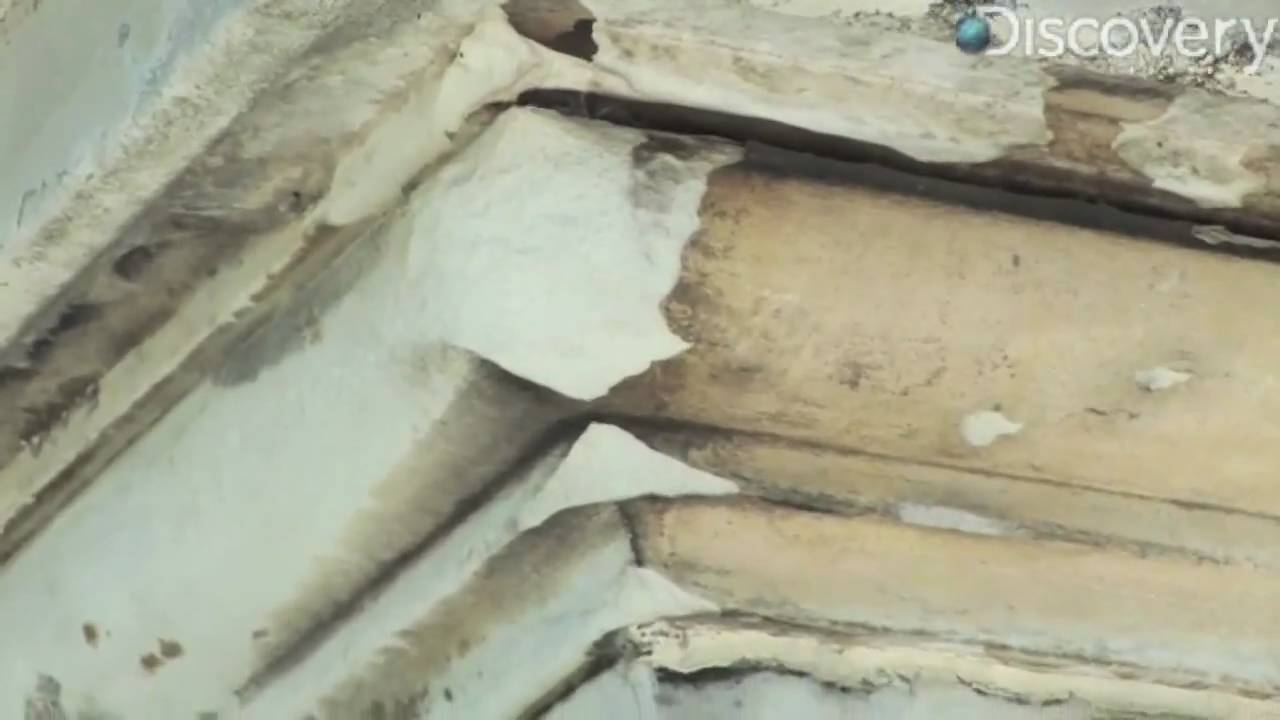
Acid Rain Alarm: The Impact of pH on Building Materials
chemistrymedium

Acid Rain Alarm: The Impact of pH on Building Materials

Students will simulate acid rain effects by applying solutions of varying pH levels to samples of common building materials. The project focuses on understanding how acid rain can damage infrastructure.

10 days·middle
Acid vs. Base: Which Is Stronger?
chemistrymedium

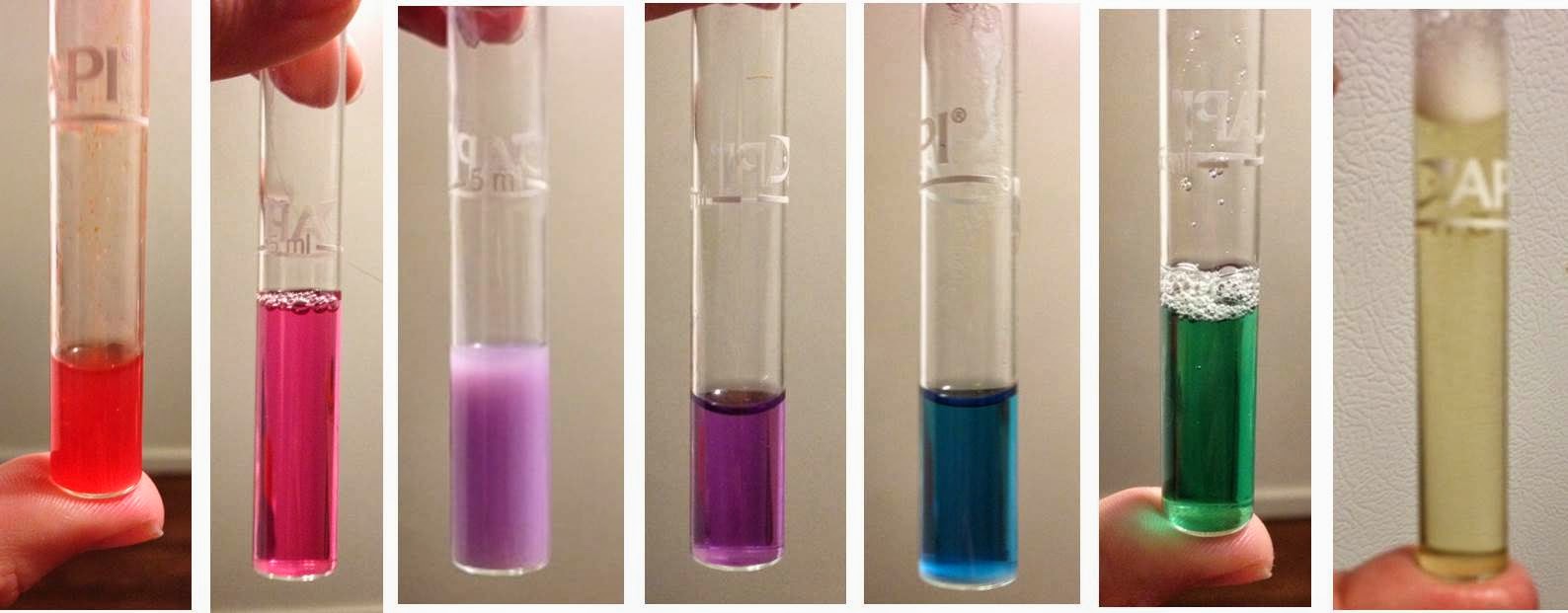
Acid vs. Base: Which Is Stronger?

Students will investigate the comparative strength of different acids and bases by measuring their pH levels and observing their reactions with various indicators. This project will help elucidate the nature of acidic and basic solutions.

14 days·middle
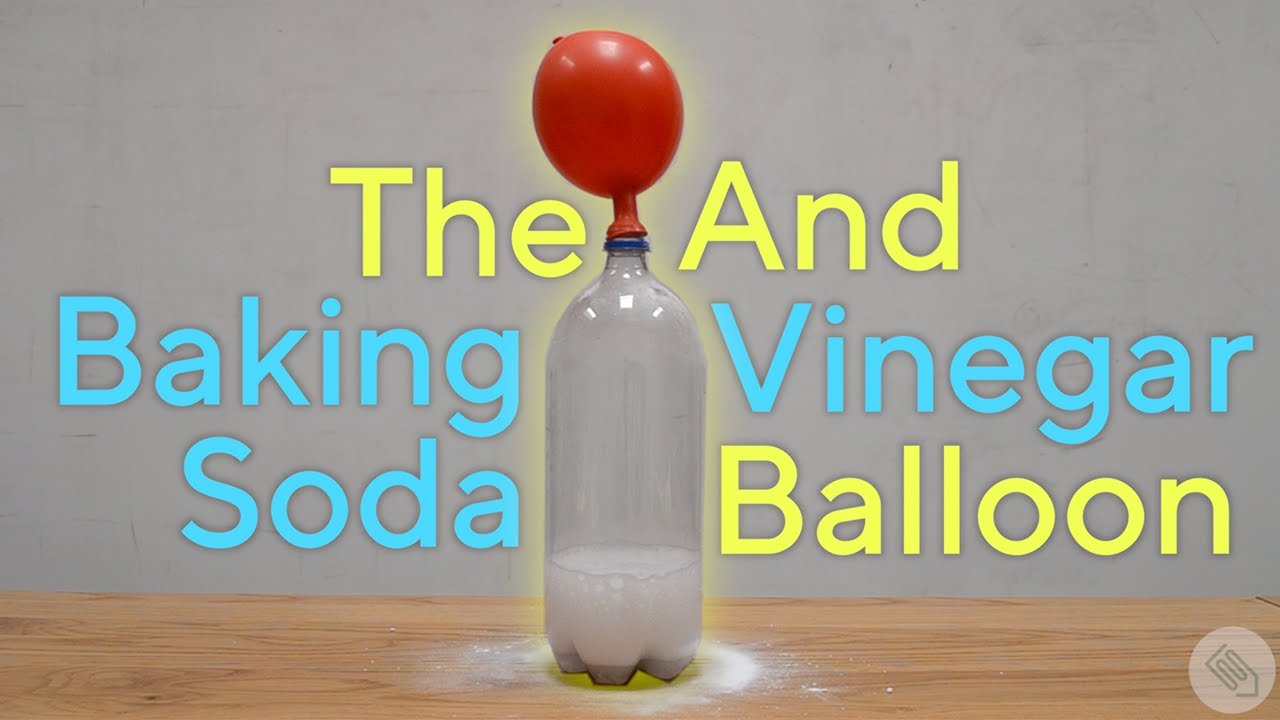
Baking Soda and Vinegar Balloon Inflation Experiment
chemistryeasy

Baking Soda and Vinegar Balloon Inflation Experiment

This exciting experiment demonstrates a chemical reaction between baking soda and vinegar that produces carbon dioxide gas, which inflates a balloon. It provides a hands-on approach to understanding reactions, gas expansion, and pressure in a controlled setting, making it ideal for middle school students interested in chemistry.

30 days·middle
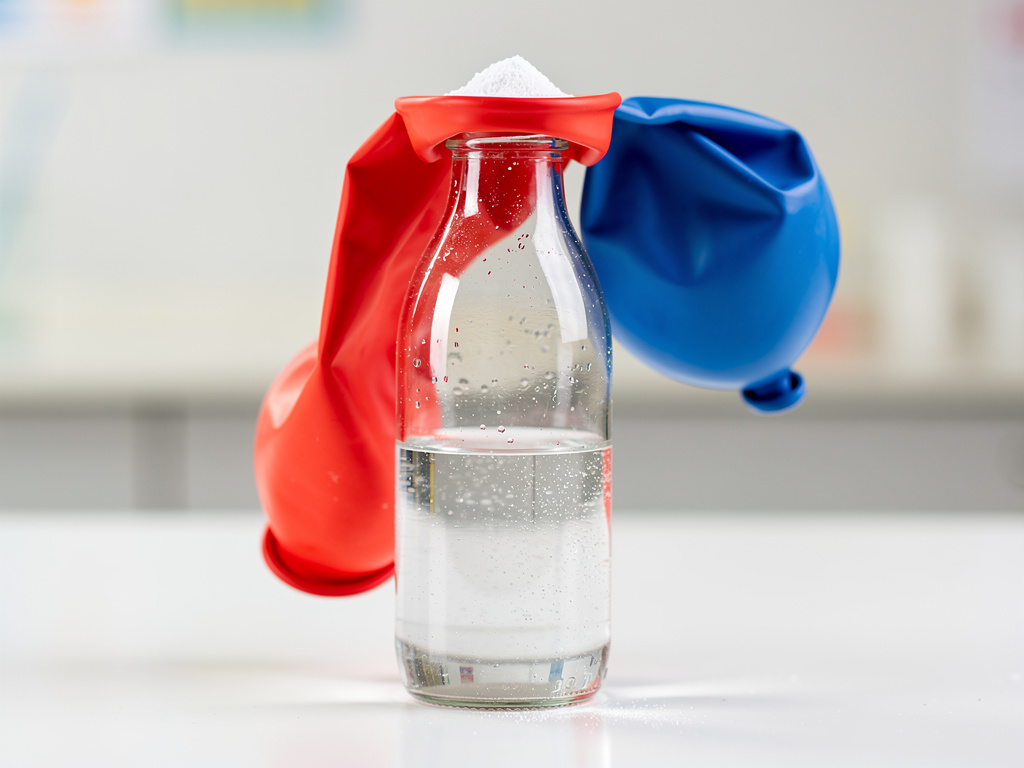
Baking Soda and Vinegar Balloon Inflation Experiment Science Fair Project
chemistryeasy

Baking Soda and Vinegar Balloon Inflation Experiment Science Fair Project

This project demonstrates a fun and safe chemical reaction between baking soda and vinegar that produces carbon dioxide gas. Students will inflate a balloon using the gas produced, illustrating basic chemical principles.

1 days·elementary
Balloon Blow-Up: The Power of Yeast and Sugar
chemistryeasy

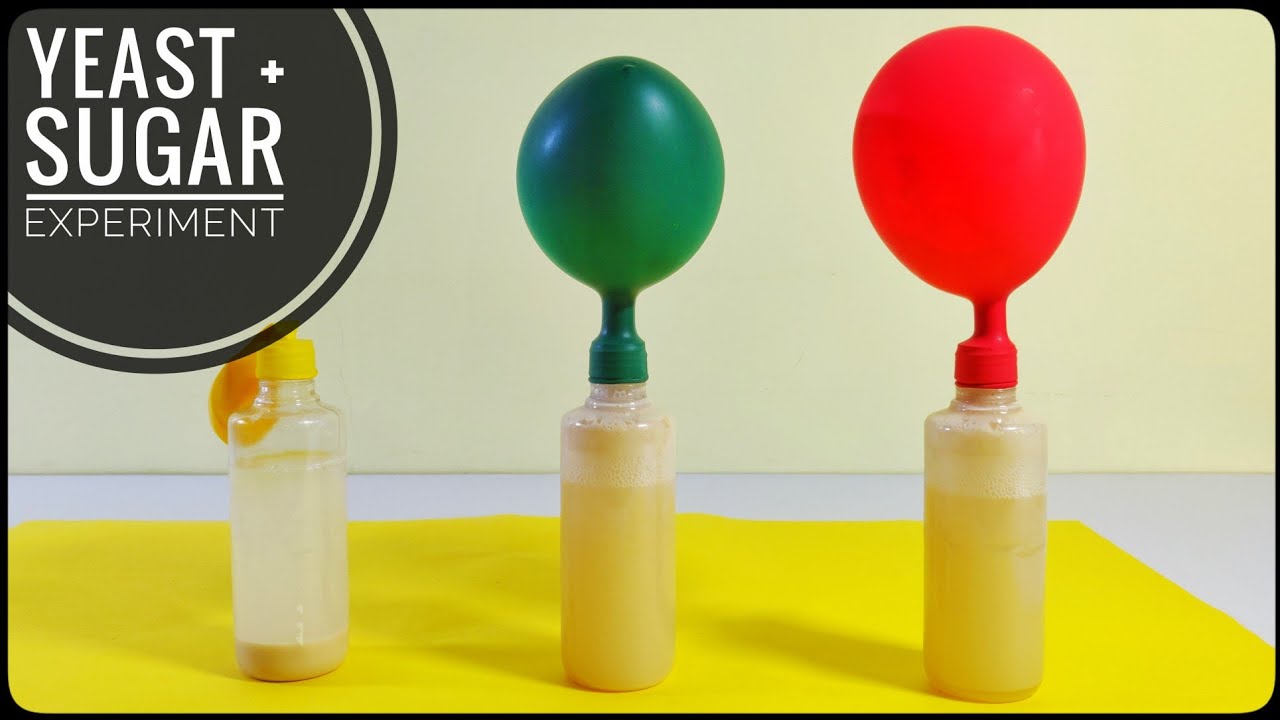
Balloon Blow-Up: The Power of Yeast and Sugar

Students will observe the chemical reaction between yeast and sugar, which produces carbon dioxide gas that inflates a balloon. This project teaches about fermentation and gas production.

2 days·elementary
Biodegradable Plastics Science Project: Polymer Science
chemistryhard

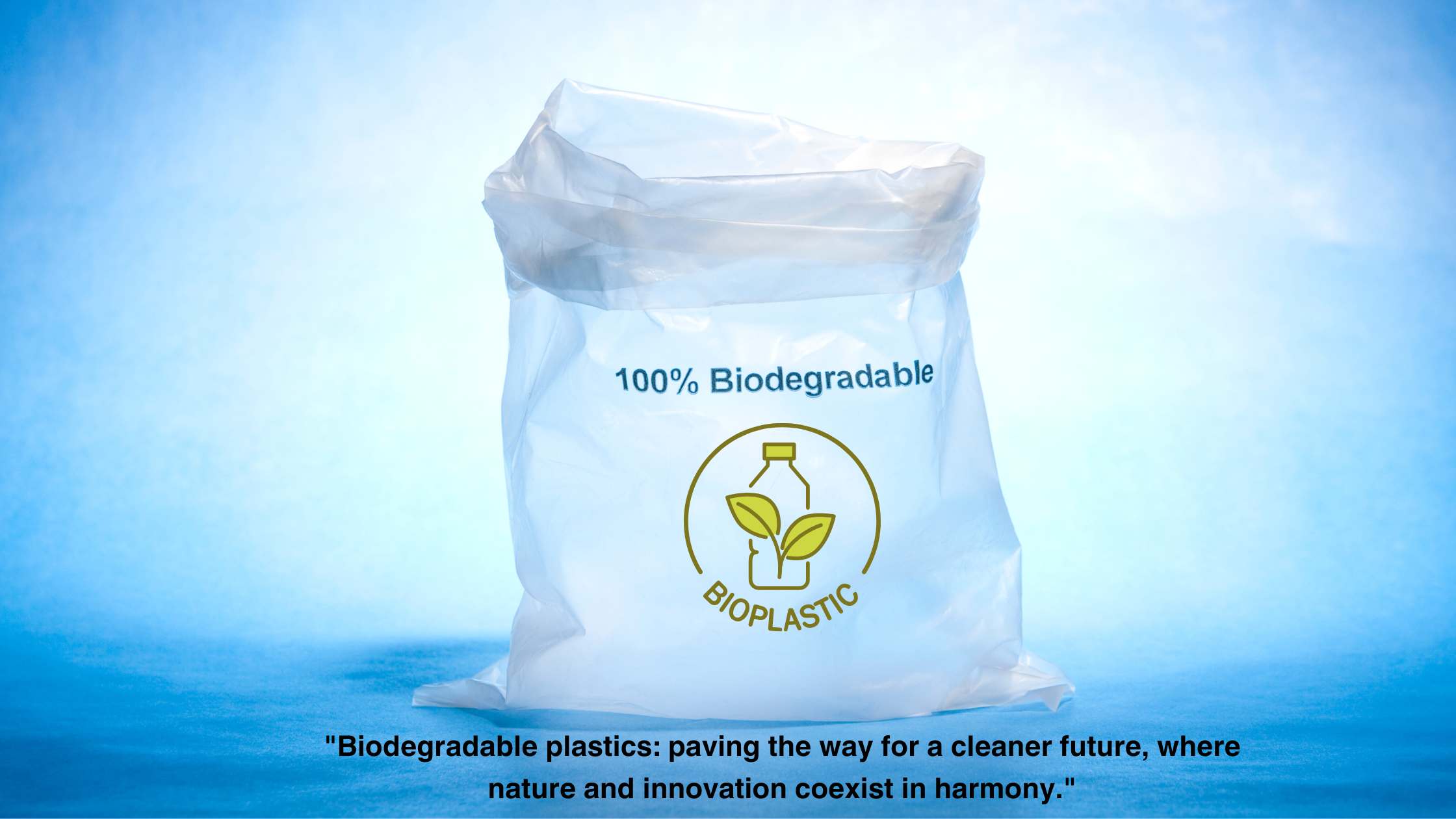
Biodegradable Plastics Science Project: Polymer Science

This project focuses on creating biodegradable plastics using natural materials like starch and vinegar. Students will test the durability and decomposition rate, learning about sustainable alternatives to traditional plastics.

10 days·high

Like this project? Get more ideas!